 |
Business-Managed Democracy » Culture » Consumerism » Marketing to Children » Underground Marketing |

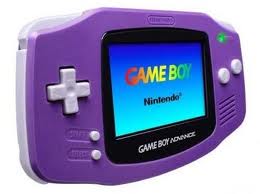 Underground marketing may involve sending people into schools, dressed as school girls, to give out energy drinks. Nintendo Gameboy sends people dressed up in space suits to find birthday parties and playgrounds where they offer children the chance to try out its games. US marketing specialist Jonathan Ressler says “Maybe only 15 kids are hit [by the Nintendo squad] at a birthday party but kids talk, a lot – at school, with SMS, by phone”. He estimates that 15 kids can spread the word of mouth message to thousands more kids.
Undercover marketing, sometimes referred to as buzz marketing, uses paid actors to pretend to be ordinary people in public places who just happen to be enamoured of a product. John Ressler, founder of Big Fat Promotions, which specialises in undercover marketing, says “If people ever know they’re being marketed to, we’re not doing our job properly”.

 The setting for undercover marketing may be a internet chat room or bulletin board where children come together. Marketing firms hire young gamers who are already active in these forums and so have established their credibility. They are given gift certificates and free games in return for posting messages that are enthusiastic about a particular video game.
 ; Martin Lindstrom, Brand Child: Remarkable Insights into the Minds of Today's Global Kids and Their Relationships with Brands, London: Kogan Page, 2003, p. 18.
Marketing agents monitor children’s chat rooms for long periods of times to immerse themselves in the culture and language, they then take part in the chat room and give out web addresses to “drive traffic” to fake web sites that have been created for marketing purposes. This is also termed ‘infiltration marketing’. According to Lindstrom there are several thousand ‘product placement’ or ‘false’ web sites purporting to be put together by individuals.
They construct their site so it looks as if it’s been created by a tween. It’s essentially an ad, but it masquerades as a tween talking personally about life, friends and hobbies. As part of the conversation, brands are mentioned, specific links are targeted and there are even images that are designed to look unprofessional.
See also: Pester Power | Kidfluence | Brand Loyalty | Marketing Guns | Gathering Data | Girls Intelligence Agency | Cool Marketing | Viral Marketing | Social Media | Virtual Worlds




 Previous
 Next
Next