 |
Business-Managed Democracy » Education » Standardised Curricula » Introduction |
Around the world, curricula have been narrowed and standardised to emphasise literacy, numeracy and computer skills, and a business-friendly view of history and society. This narrowing has been firstly a means of minimising costs; cutting away extraneous subjects and learning so that schools will concentrate their efforts on teaching the ‘basics’, that is the work-related abilities required of graduates by employers.

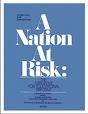 In 1983, the US report, A Nation at Risk, sought to promote an education that would discipline the mind and the soul of the child to meet the goals of a more productive and prosperous society, through an emphasis on “standards, discipline, character” and moral values as well as a common core curriculum of academic study. The report blamed the smorgasbord of subjects offered in secondary schools that mean that students didn’t take basic courses in subjects like English and Maths; a declining amount of homework; too little time spent on school work; poor study skills; a lack of rigorous curricula requirements; poor quality textbooks; lax competency examinations and a shortage of good quality teachers in core subject areas like maths and English. It recommended that “significantly more time be devoted to learning the New Basics.” It was a call for a return to the traditional paradigm of education.
If you have any examples or updates you would like to contribute please email them to me and I will add them here. Please give references for where you sourced the information.




 Next
Next