|
|
Mid-South Coast Newsletter
September 2020 |
|
|
|
|
|
|
|
|
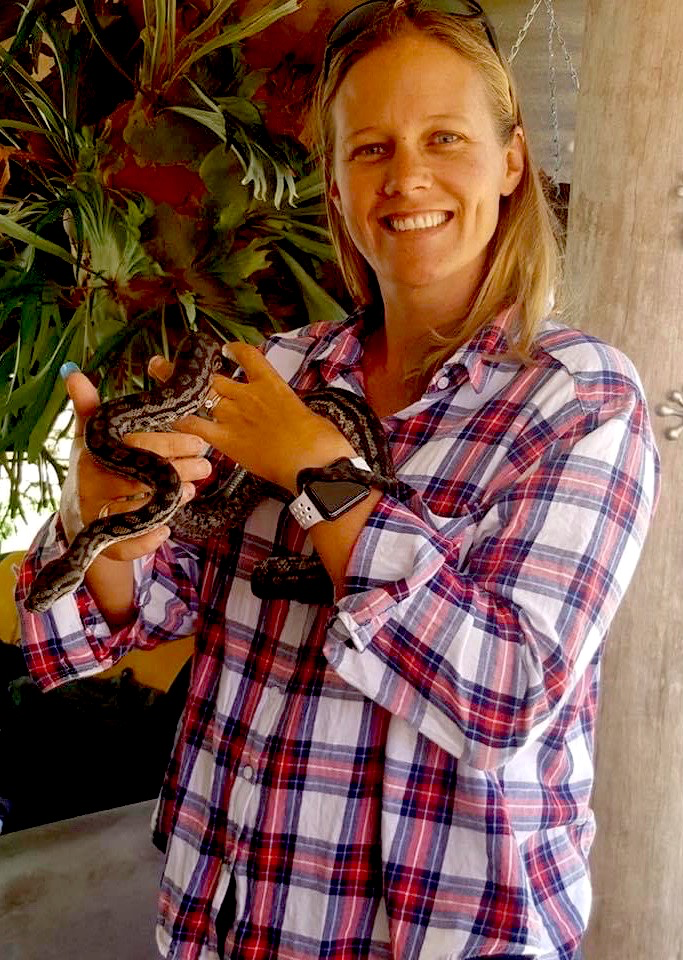
Sandy, our Chairperson
Sandy Collins is not only the chair of our branch, she is also education and publicity officer, avian coordinator and echidna coordinator. And all this after only being a member of WIRES for 4 or 5 years. In those years she has stepped into the breach to take numerous roles that needed filling and at the same time has been a dynamic fund raiser and publicity seeker for our branch.
Sandy is a zoo keeper by profession, with a BSc in zoology, a postgrad degree in captive vertebrate management, and a Certificate III in zoo keeping. She joined WIRES when she left her job at Mogo Zoo to care for her small children and was looking for a way to satisfy her love of animals. Her daughter has been her willing helper and now has an interest in a career caring for animals too.
Sandy encouraged me, when I was a nervous newbie, to care for birds and advised me each step of the way. She says that the biggest hurdle for new members is their first rescue and after that it gets easier. They will find that members of the public are grateful to have them take the animals or birds, and after that there is a whole team of people ready to advise on the next steps in the caring process. |
|
|
|
|
|
|
|
|
|
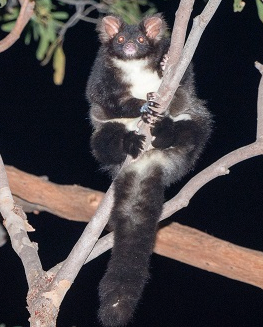
Greater Glider Spotlighting, Durras
When: Tuesday 29 September 2020, 6pm - 8pm
Where: Durras Beach blackboard, intersection of Durras Drive and Durras Lake Road, Durras
Cost: Free, bookings are essential
"Help our local Glider enthusiast search for the Greater Glider in its natural habitat at night. You will also learn about Gliders and their habitat and why it is important for the species that we protect this habitat."
More info: Greater Glider spotlighting adventure, Durras, Eurobodalla Shire Council |
|
|
|
|
|
|
|
|
|
Rock Shelf Walk, Broulee
When: Saturday 3 October, 1.30pm
Where: Meet at Broulee Surf Club to sign in
Cost: Free for members, bookings required. Membership of the Nature Coast Marine Group is $15 per family, which also covers other excursions during the year.
Be prepared for rock hopping, wear solid shoes and sun protection.
"Help us find waratah and shell-grit anemones, several species of seastars and hopefully brittle stars with their snaky arms. Learn why the ugly cunjevoi seasquirts are our closest invertebrate relatives, and find out who barnacles are related to. We might even be lucky enough to find an octopus (or two)"
More info: Jenny, 0492 176 148 |
|
|
|
|
|
|
|
|
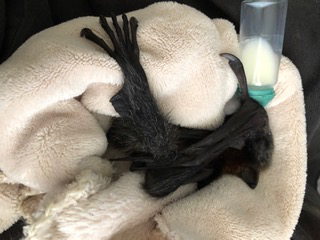
Photo: Female Grey Headed Flying Fox pup drinking her milk by Janet Jones |
|
|
|
|
Bats We See in Eurobodalla
Shortly you will receive a special bat edition of the newsletter featuring an article by our bat coordinator, Janet Jones. Here is an excerpt to whet your appetite.
"These megabats, that are sometimes called fruit bats, live on a diet of pollen of blossoms, nectar and fruit. They have a well developed sense of smell for seeking out flowering and fruiting trees, preferring natives. They will fly up to 50 km a night from their camp to feed. Ripe fruit is crushed in their mouth using their flattened molars, the juice and pulp is swallowed, and the roughage is spat out. Very small seeds (like native figs) pass through their digestive tract and are passed out in the faeces. Larger seeds can be carried in the cheek pouches, sucked to remove the pulp, then the seed is spat out, which may be over twenty kilometres away from the original fruit tree. In the process, the seeds are dispersed over wide areas and pollen from their fur is transferred to other tree blossoms which cross-pollinates them to maintain the rich biodiversity of native forests.
Individuals may travel up to 600 km over several days in search of food. Flying foxes are our best and effective tree pollinators, because many forest trees release their nectar at night when these flying mammal workers are active. Bats remember food sources and may return regularly to the same area. Individuals are highly mobile, with their movements dictated by where food supplies are available.” |
|
|
|
|
|
|
|
|
|
Government Split over Koalas
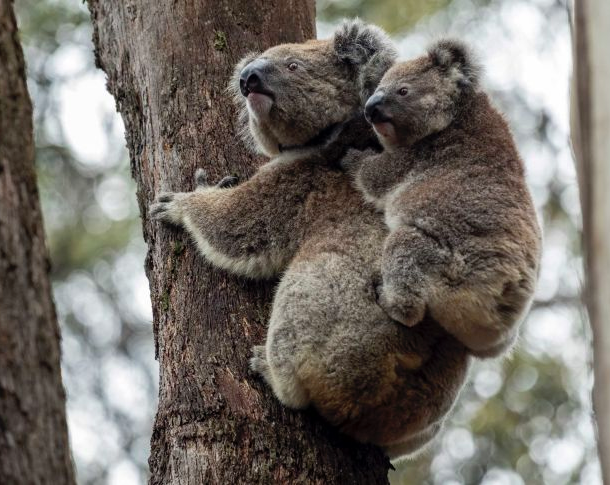
Earlier this month National Party MPs threatened to block NSW government bills unless the proposed koala legislation was amended.
The proposed new State Environmental Planning Policy (SEPP) provides guidelines for determining whether koalas are threatened when land is cleared in NSW. It requires more evidence to be provided by landowners that their developments will not harm koala habitat. Additionally the range of tree types defined as koala habitat has been increased from 10 to 123 in the SEPP based on more recent scientific information.
Nationals leader John Barilaro labelled the legislation a “nail in the coffin for farmers” because it will be more difficult for them to clear their land. However, according to the Sydney Morning Herald, the legislation will only apply to developments that require council approval: "Land clearing for agricultural activities is still permitted by the Native Vegetation Code and routine agricultural management activities such as felling isolated paddock trees, clearing vegetation from dwellings or building fences are not impacted by the new SEPP.
Ref: Kevin Nguyen, The NSW Government is split on koala policy, ABC News, 10 September 2020; Mike Foley, Koala Wars, Sydney Morning Herald, 10 September 2020. |
|
|
|
|
|
|
|
|
|
Wildlife Extinctions in Australia
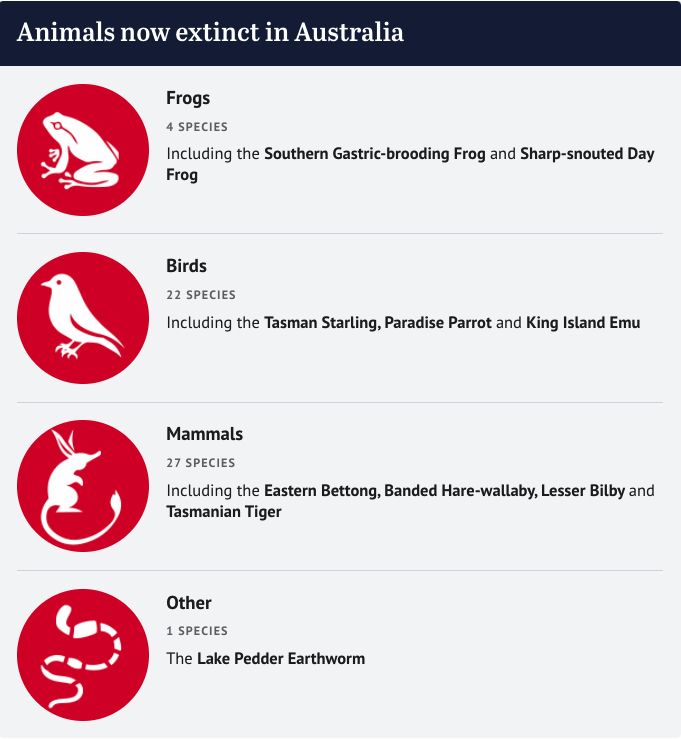
Extinctions are occurring in Australia faster than anywhere else on earth. According to University of Sydney Professor Chris Dickman, the high extinction rate will continue because of land clearing and habitat degradation due to urban development and agriculture, bushfire, and continued pressure from feral animals.
|
|
|
|
 |
|
|
|
Many other species are critically endangered including grey-headed flying foxes, koalas, greater gliders, 15 species of frog, 10 species of reptile, and 17 species of bird.
"A report in June from the Commonwealth Auditor-General found the federal Environment Department is failing to protect endangered wildlife and manage conflicts of interest in development approvals, and says its work is plagued with errors. The report found that 79 per cent of approvals were non-compliant or contained errors and most decisions were not made within statutory timeframes.”
Yet since then Federal Environment Minister Sussan Ley has revealed plans to cut green tape and speed up project approvals to aid economic recovery from coronavirus.
Ref: Mike Foley, Why is Australia a global leader in wildlife extinctions?, Sydney Morning Herald, 20 July 2020. |
|
|
|
|
|
|
|
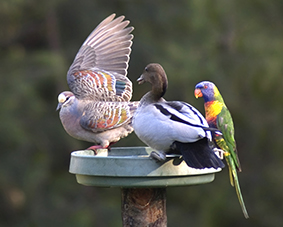
Feeding Native Birds
WIRES does not recommend feeding wild birds. They can become dependent on the food, overeat and not exercise enough hunting their own food. Inappropriate food can weaken them and cause health problems.
If members of the public (and some of us, lets face it) are going to do it anyway they should be advised:
- to only give them appropriate foods similar to their natural diet (never bread or pet food)
- to only give a small amount as a treat (no more than once a day) so it doesn’t displace their natural food gathering.
More info: Feeding Native Birds, Wildlife Bird Rescue Gold Coast. |
|
|
|
|
|
|
|
|
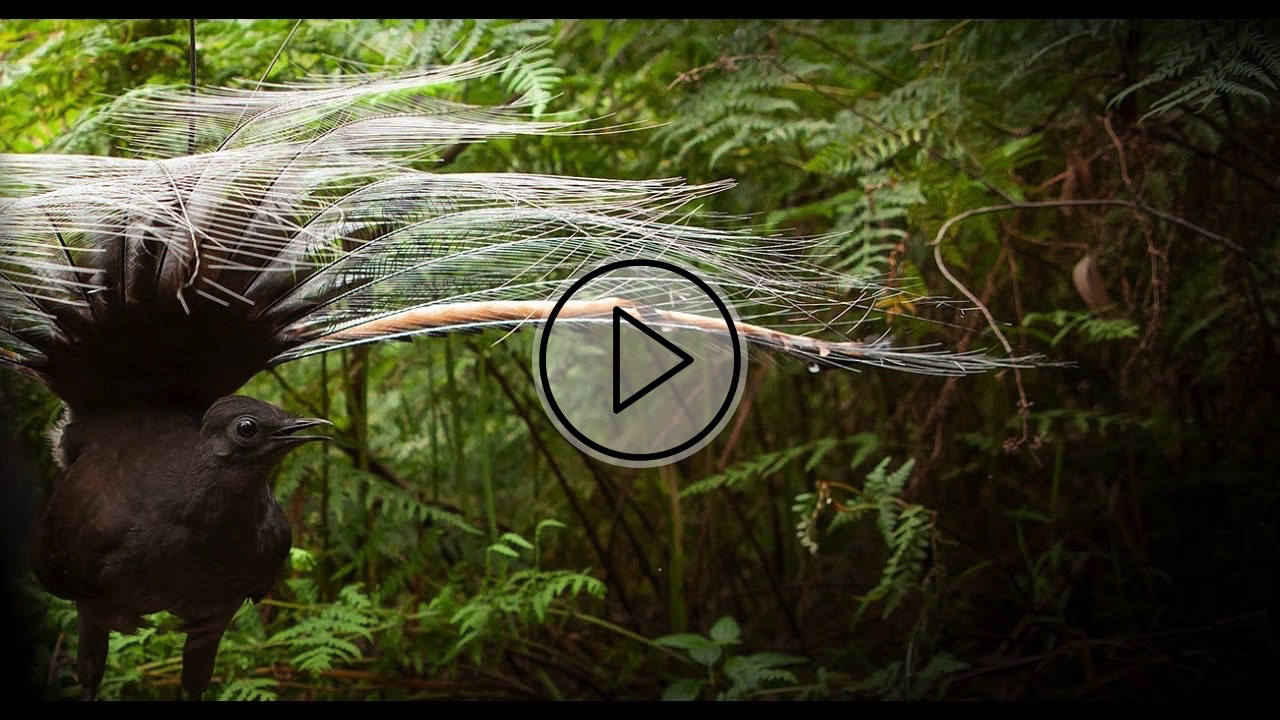
Lyrebirds as ecosystem engineers
New research shows lyrebirds move more litter and soil than any other digging animal. "By disturbing the soil, they create new habitats or alter existing habitats, in ways that affect other organisms, such as plants and fungi.” For this reason they have been called ecosystem engineers. The summer bushfires destroyed about 40% of the Superb Lyrebird’s entire distribution potentially threatening the species. "Loss of lyrebird populations on this scale will have potentially far-reaching effects on forest ecology."
|
|
|
|
|
|
|
|
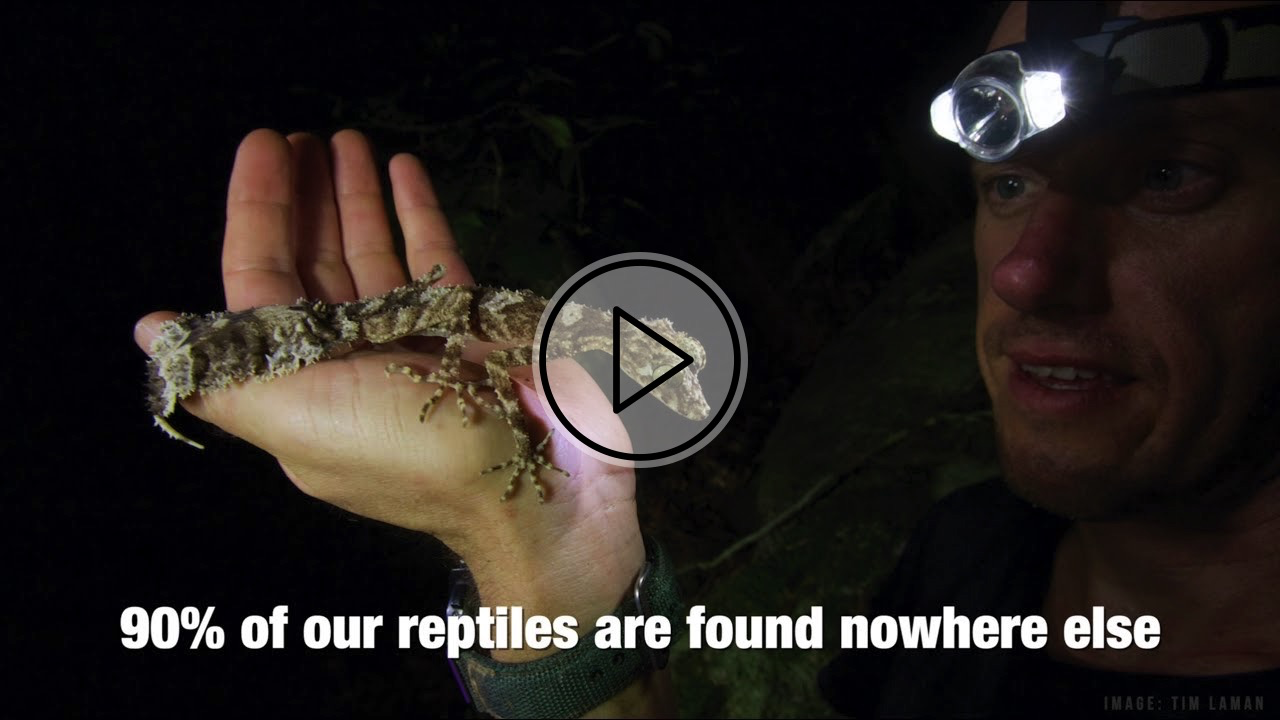
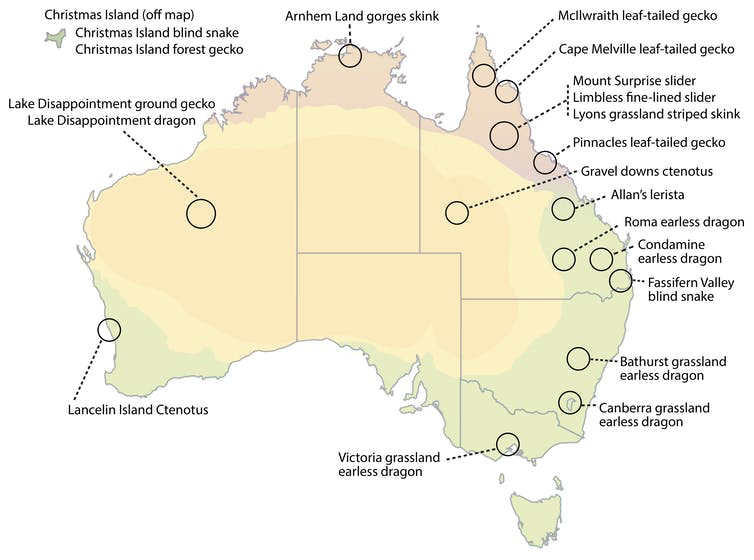
New research reveals 20 Australian reptiles are set to disappear by 2040 unless action is taken to conserve them. "In Australia, where more than 90% of our species occur nowhere else in the world, the most threatened reptiles are at risk for two main reasons: they have very small distributions, and ongoing, unmitigated threats.” Because they have small distributions they can be wiped out by bushfires. Habitat threats include agriculture and urban development.
|
|
|
|
|
|
|
|
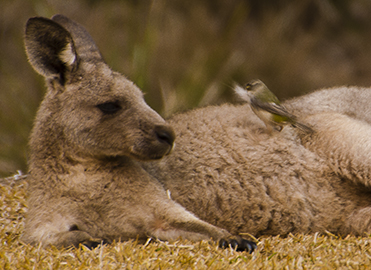
A bird collecting fur from WIRES-reared kangaroo (Petrie) to line its nest.
(Photo by Sharon Beder)
The bird is a Yellow-rumped Thornbill. "Yellow-rumped Thornbills sometimes breed co-operatively, with a pair being assisted by one or two auxiliaries (helpers), which help to build the nest and feed the young. The nest is a large and untidy structure of grass and bark with two parts: an upper 'false' cup-shaped nest and a lower, domed, nest-chamber with a hooded entrance. The function of the false nest is not clearly understood, with many theories being put forward, such as: deterring predators or parasitic cuckoos, a roosting place for male or fledglings, a 'practice' nest for the helpers or as a 'displacement' activity for males.”
Ref: Yellow-Rumped Thornbill, Birdlife Australia.
|
|
|
|
|
|
|
|
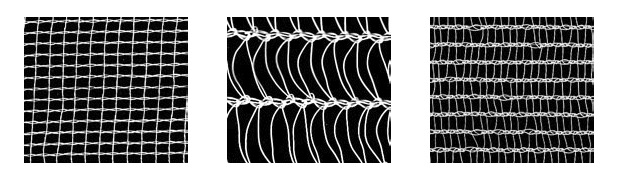
Wildlife Friendly Netting
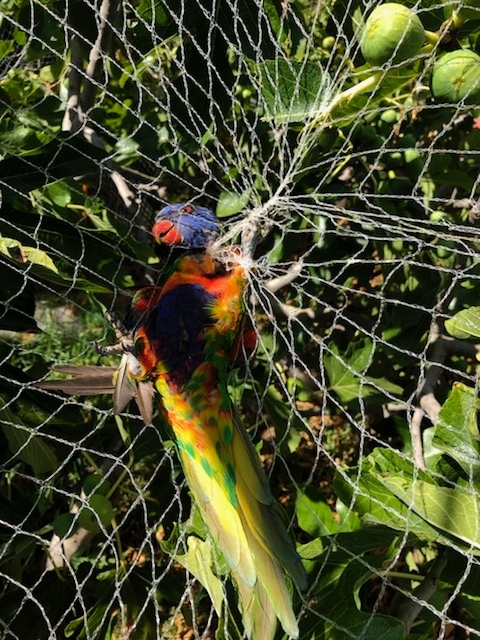
Birds, bats, lizards, snakes and even possums can get tangled in larger mesh netting that is often used to protect fruit trees. WIRES advises home owners to either protect individual pieces of fruit with ‘fruit protection bags’ or use white netting for the whole tree with a mesh size of less than 5mm, that is small enough so that you can’t poke your finger through it. |
|
|
|
Make sure the bottom of the net is secured to the tree trunk or the ground to prevent wildlife getting caught inside the net. Ideally use a frame around the tree so the netting is taut. Check nets regularly to make sure nothing is caught in it and remove netting immediately after fruiting.
Ref: Wildlife Friendly Netting, WIRES Website. |
|
|
|
|
|
|
|
|
|
|
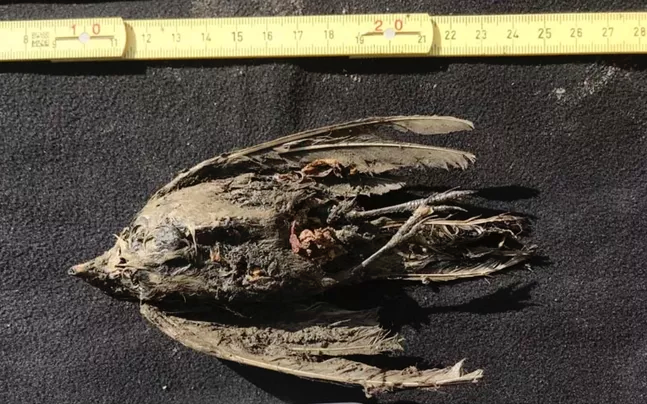
46,000-Year-Old Frozen Bird
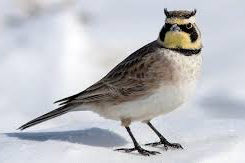
A well preserved carcass of a horned lark that is around 46,000 years old has been found in the permafrost in northeastern Siberia. The bird is an ancient ancestor of today's horned lark, a sparrow-sized bird (see photo).
""The fact that such a small and fragile specimen was near intact also suggests that dirt/mud must have been deposited gradually, or at least that the ground was relatively stable so that the bird's carcass was preserved in a state very close to its time of death," Love Dalén, one of the scientists behind the discovery, told CNN.
Ref: Ben Bolton, 46,000-Year-Old Frozen Bird Uncovered in Siberia, Treehugger, 22 February 2020. |
|
|
|
|
|
|
|
|
|
|
Notices
Most species courses have been postponed due to COVID-19 concerns. However the online component of the avian course is recommended for new members as spring is baby bird season and there are likely to be many chicks needing rescue and care.. |
|
|
|
|
|
|
|
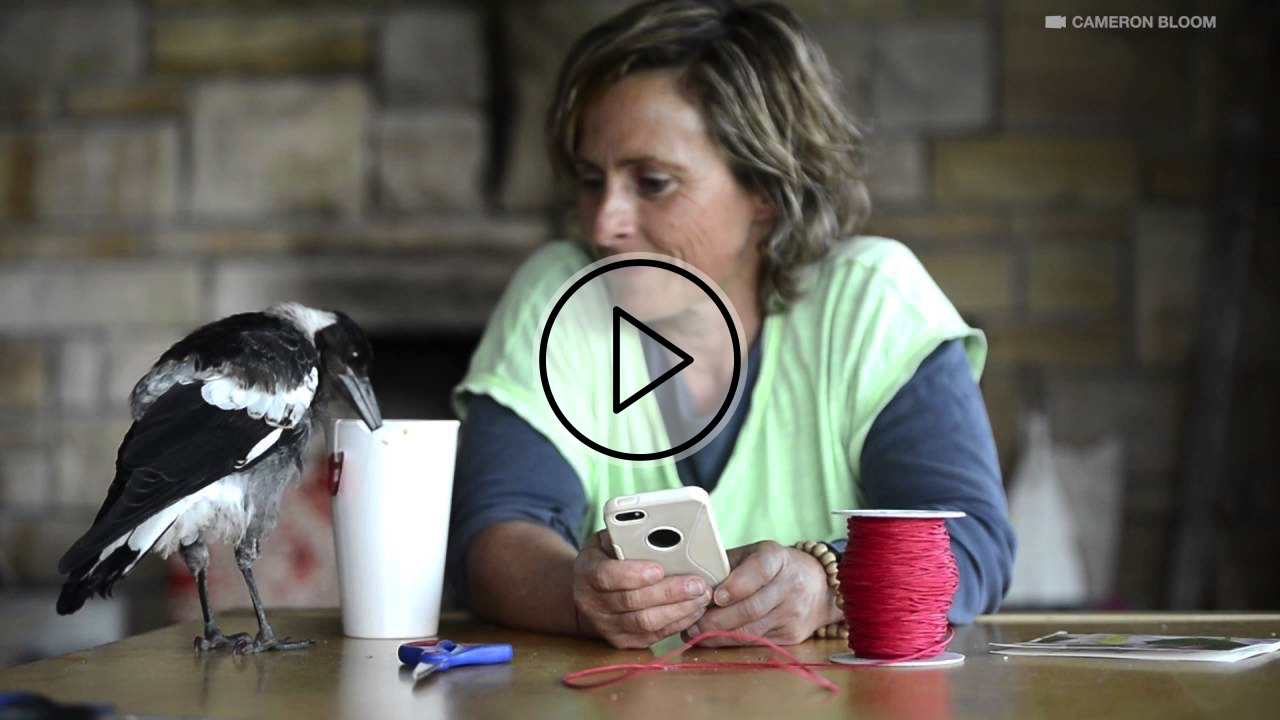
Yet another magpie youtube: "Penguin Bloom: the bird that saved a family"
|
|
|
|
|
|
|
|
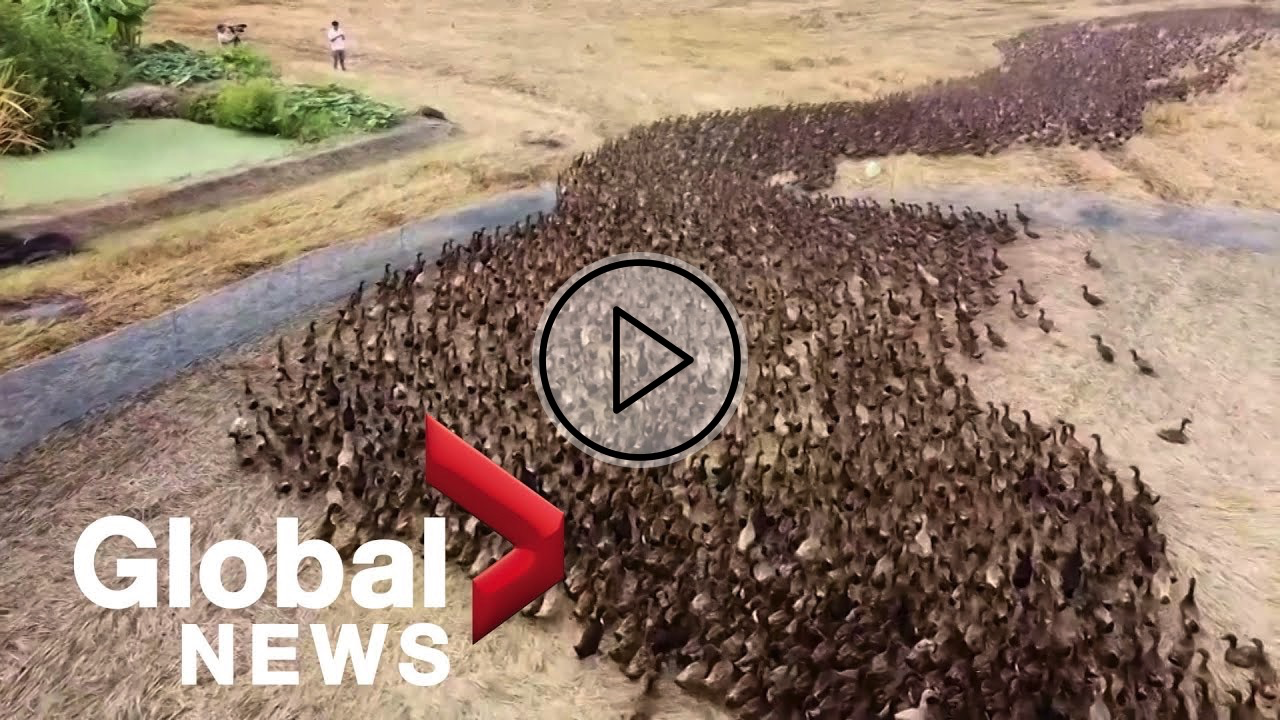
Drone footage follows 10,000 ducks “cleaning” rice paddies in Thailand, Global News, 16 September 2020.
|
|
|
|
|
|
|
|