|
|
Mid-South Coast Newsletter
October 2020
|
|
|
|
|
|
|
|
|
Congratulations to the Mid-South Coast WIRES Team for winning a
NSW Volunteer of the Year Award:
South Coast Volunteer Team of the Year, 2020
|
|
|
|
|
|
|
|
|
|
Photo: Janet Jones by Sharon Beder
|
|
|
|
|
Janet, the Bat Whisperer
Janet Jones from Tuross Head has had a steep learning curve from WIRES novice in 2016 to Bat Coordinator in 2019. Like Rachel (see July newsletter), Janet joined WIRES after seeing so many dead animals along the roadsides. She hoped that by joining WIRES and doing the training she would be able to help.
From the start Janet attended many rescues. She soon became the go-to person for the Tuross Head community, whenever there was a bird or animal in need of help. The local vets also relied on her to provide ongoing care after they had initially treated injured birds or reptiles.
Janet did all the WIRES species training courses (apart from Snake Handling) but after doing the bat course she thought “Wow!” The scales had fallen from her eyes and she was captivated by the amazing little creatures.
During her first year after doing the course, bats mainly needed rescuing from barbed wire and netting. The Mid-South Coast Branch hardly ever had to rear bat pups. But then came the drought, the bushfires, the floods. It was a baptism by fire for Janet as the grey-headed flying foxes dropped their pups en masse. There were so many pups to care for "it was shocking and full on." Bat carers around NSW were swamped. Phone calls and texts flowed at all hours and bat pups were transported from carer to carer up and down the coast.
Fortunately there is a strong and supportive network of bat carers from various organisations who cooperate closely with each other. This helped Janet get through the tough times. This and the fact that Janet is able to communicate her empathy to stressed out bats so that they calm them down and trust her. She has become a bat whisperer.
|
|
|
|
|
|
|
|
|
|
|
|
Reuniting Masked Lapwing Chicks
Last month a call came in to reunite some plover (masked lapwing) chicks with their parents in the industrial area of Batemans Bay. Anica Jabkiewicz, who had only recently joined WIRES, volunteered to do it even though she had not done any rescues before and was terrified. Anica knew that plovers were very protective of their chicks and might dive on anyone coming near them so she asked for advice on WhatsApp. Rachel McInnes advised a wide brimmed hat. Not having one Anica improvised with an umbrella, taking her husband along for support and to hold the umbrella.
On arrival Anica found the parent lapwings unsuccessfully trying to herd their chicks across a busy road. "The chicks were running all over the place like cue balls” she said. But when she and her husband approached them the chicks stopped dead and sat down, lowered their heads to the ground. Anica was taken aback. They looked like they had dropped dead. However Janelle Renes reassured her that this is what they do when faced with danger. They have great camouflage and by staying still they blend into the ground and are less likely to be seen by predators. So Anica collected the chicks in her rescue basket and relocated them to a nearby field and stood back to watch.
The mother lapwing swooped in around them while the father lapwing soared around them checking the area out. Eventually the parents settled in with the chicks and they were reunited. For Anica it turned out to be a wonderful experience and she is glad she overcame her fears and took the call. She is also grateful for all the support that her WIRES colleagues gave her.
More Info:
Masked Lapwing (Vanellus miles), Rescue and Reuniting
, WIRES, 2019.
|
|
|
|
|
|
|
|
|
More Chic Reunion Pics from our Branch
|
|
|
Ducklings reunited with parents at Bawley Point. Photo by Zora Brown.
|
|
|
Two magpie chicks that were reunited with their parents at the Moruya Golf course with Alan’s help. Photo by Alan Nash.
|
|
|
|
Right (or below): Two red wattlebird chicks reunited with parents at Kioloa with Zora’s help. Photos by Zora and Bella Brown.
|
|
|
|
|
|
|
|
|
|
|
Rescue Statistics for August - WIRES MSC
|
|
|
|
Graphs by Rachel E. McInnes using data on WIRES CarerHQ website
|
|
|
|
|
|
|
|
It is a myth that if you have red-bellied black snakes in your backyard, you won’t have brown snakes. There is no scientific evidence to support the idea that brown snakes are suppressed or scared off by the presence of red-bellied black snakes. Although red-bellied black snakes do eat brown snakes (see video above), brown snakes also kill red-bellied black snakes.
Ref: Damian R. Michael, Dale Nimmo, Sky Wassens,
Does Australia really have the deadliest snakes? We debunk 6 common myths
,
The
Conversation
, 29 September 2020
|
|
|
|
|
|
|
|
|
|
Federal Government Washes Hands
The
EPBC Amendment (Streamlining Environmental Approvals) Bill 2020
seeks to make it easier to shift environmental approval powers from the federal government to state and territory governments. However a report by the Environmental Defenders Office find
that
this will weaken environmental protections.
Key findings
-
"Does Commonwealth accreditation of state and territory laws deliver environmental outcomes?
Mostly no.
-
Can state and territory laws guarantee national standards will be implemented?
No
-
Do state and territory systems have independent assurance, compliance and enforcement (and deal effectively with conflicts of interest)?
No
-
Do state and territory laws adequately implement international obligations?
No
-
Do state and territory laws adequately address cumulative and cross boundary impacts?
No"
Ref:
Devolving Extinction? The risks of handing environmental responsibilities to states and territories
,
Environmental Defenders Office, 5 October 2020 (pdf)
|
|
|
|
|
|
|
|
|
Photo: Tim Burnard of Birdlife Australia by Tim Burnard
|
|
|
|
|
Destruction of Habitat Trees
Documents accessed under freedom of information laws by Birdlife Australia, show that in 2015 the Victorian government destroyed hundreds of
stringy bark
trees without penalty, despite their importance to
the
endangered red-tailed black cockatoo.
South-eastern red-tailed cockatoos are only found in a small area of south-west Victoria and an adjoining area of South Australia and the seeds of the stringybarks are an important part of their diet.
A federal government investigation decided not to penalise the state government while "
noting courts had imposed large fines in other cases
”
involving private landowners
.
Ref: Lisa Cox,
No penalty for Victoria despite 'wanton destruction' of trees vital to red-tailed black cockatoo
,
The Guardian
, 28 September 2020.
|
|
|
|
|
|
|
|
|
|
|
Three Species of Sugar Glider
It has recently been discovered that there are actually three species of sugar glider, that are genetically and physically different. They are
:
Petaurus breviceps
and two new species, Krefft’s glider (
Petaurus notatus
) and the savanna glider (
Petaurus ariel
).
"The savanna glider lives in the woodland savannas of northern Australia and looks a bit like a squirrel glider with a more pointed nose, but much smaller.
"Krefft’s glider has a clearly defined dorsal stripe and fluffy tail. It is widespread in eastern Australia and has been introduced to Tasmania.
"The sugar glider, with a less-defined dorsal stripe, is apparently restricted to forests east of the Great Dividing Range, extending from southeast Queensland to around the border of New South Wales and Victoria.”
940 × 940
This means that sugar gliders are not as widespread and abundant as originally thought and the savanna glider, in particular, is at risk of extinction.
Ref: Teigan Cremona et al.,
A rare discovery: we found the sugar glider is actually three species, but one is disappearing fast
, The Conversation, 17 July 2020
.
|
|
|
|
|
|
|
|
|
A dead elephant lies on the banks of a water source in the Okavango Delta in Botswana. Photo AP.
|
|
|
|
|
Blue Green Algae Kills Elephants
More than 300 elephants died in Botswana this year and the cause has been found to be toxins produced by cyanobacteria in their water holes. Cyanobacteria are called blue green algae in Australia and associated with drought. This production of toxins by cyanobacteria has increased around the world as a result of warmer temperatures caused by climate change.
Ref: Brian Benza,
Botswana says it has solved the mystery of mass elephant deaths
,
Sydney Morning Herald
, 22 September 2020.
|
|
|
|
|
|
|
|
|
Photo: Echidna CSI newsletter
|
|
|
|
|
EchidnaCSI September Update
Echidnas have been laying eggs and hatching puggles that they are either in their pouches or in nursery burrows. This is why it is important not to relocate echidnas between now and early next year. They need to be able to get back to their burrows. Also, if you find a dead echidna, check its pouch. And if you find a deceased juvenile echidna please call
Echidna CSI
"
to further aid in our understanding of their unusual biology and our conservation efforts"
.
Ref: Echidna CSI September Update, University of Adelaide.
|
|
|
|
|
|
|
|
|
Independent NSW MLC Justin Field is running an
online petition
to “transition" the forestry industry in the Shoalhaven "out of native forest logging”. The aim is to "support jobs in local nature based tourism and support the recovery of iconic local animals like the Greater Glider, the Yellow Bellied Glider and the Glossy Black Cockatoo”.
Ref: Justin Field, 'A New Future for Shoalhaven Forests',
https://www.justinfield.org/shoalhavenforests
, October 2020.
|
|
|
|
|
|
|
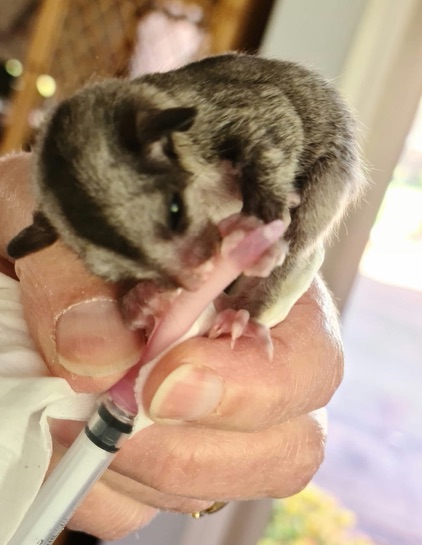
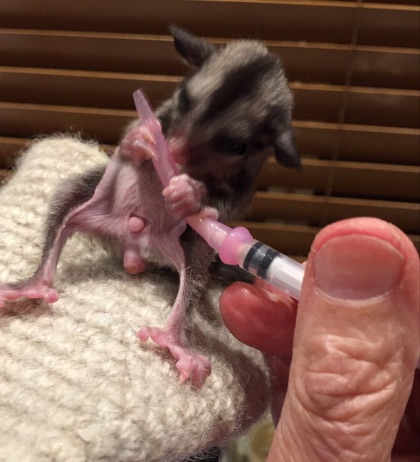
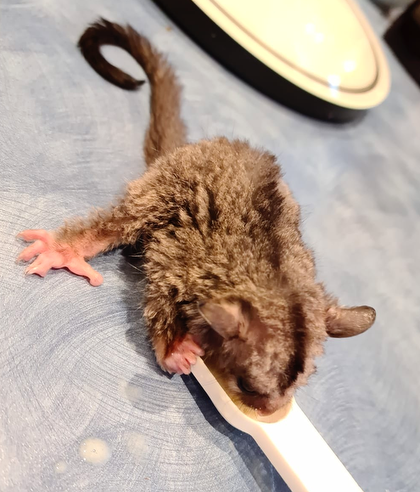
‘Branxton’, squirrel glider joey at 19g and 43g (bottom) in care of Debbie. Photos by Debbie Ellis.
|
|
|
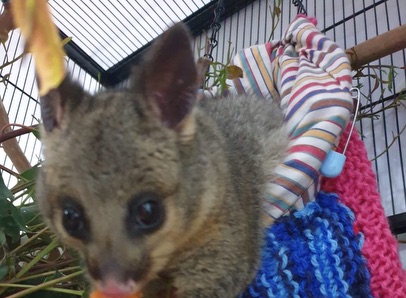
‘Sherbet’, the brushtail possum joey going from Michelle to Allan for the final stage of his care. Photo by Michelle Edwy-Smith.
|
|
|
|
|
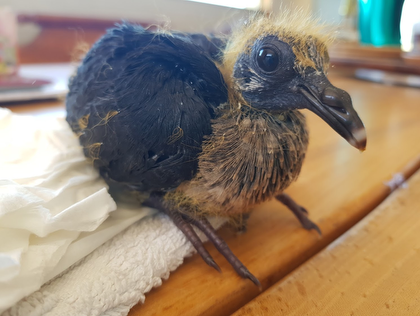
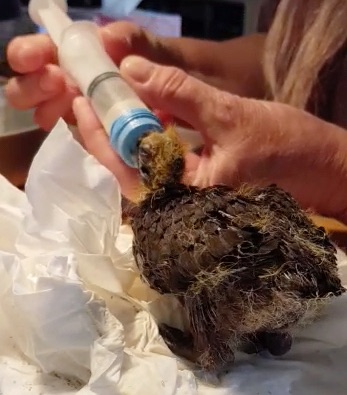
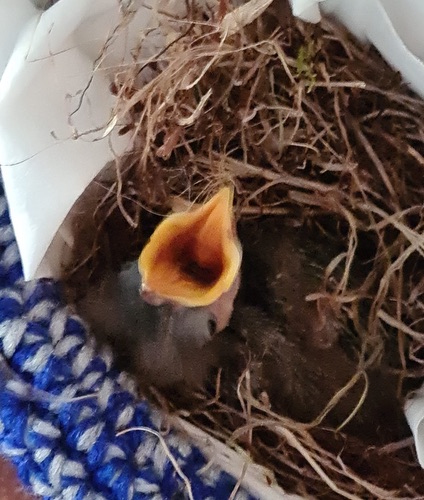
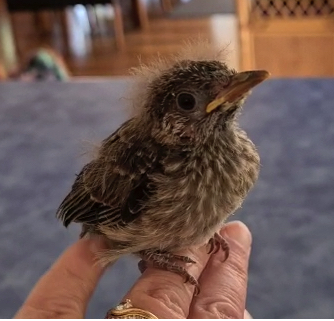
White-headed pigeon chick in care of Rachel. Photo by Rachel E Mcinnes.
|
|
|
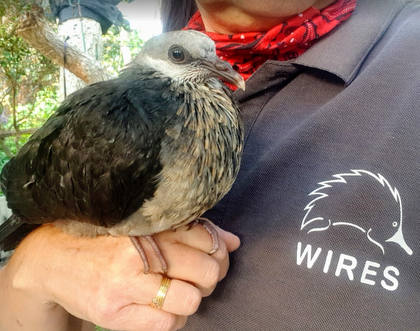
White-headed pigeon chick less than a month later.
|
|
|
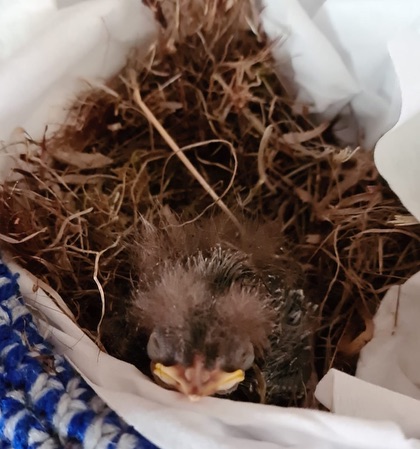
Baby red wattle bird, 7 days old 21g (above) and 10 days later (below). Photos by Debbie Ellis.
|
|
|
|
|
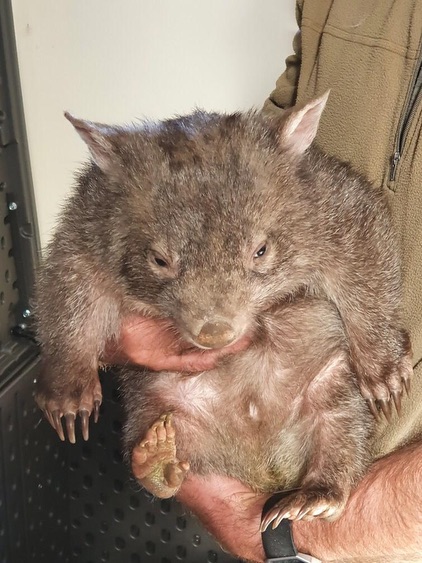
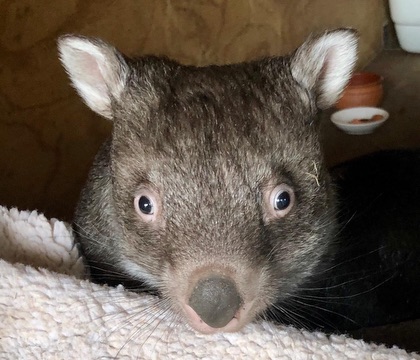
‘Miss Moffat’, 5kg female wombat joey in care of Kevin and Lorita.
|
|
|
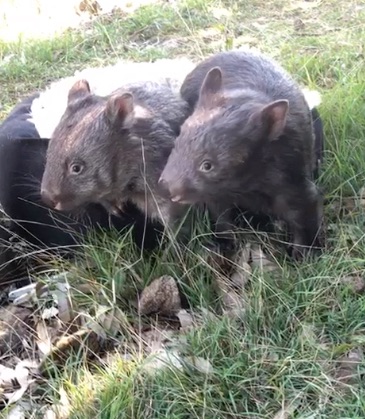
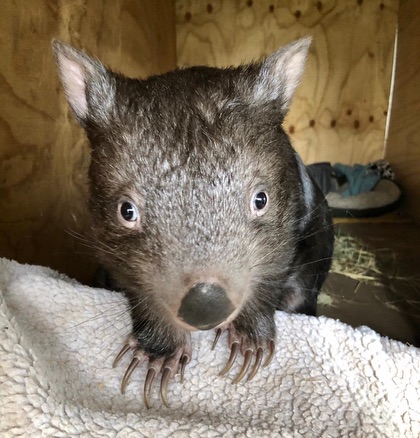
’Neddie and Willow’, wombat joeys in care of Zora. Photos by Zora Brown.
|
|
|
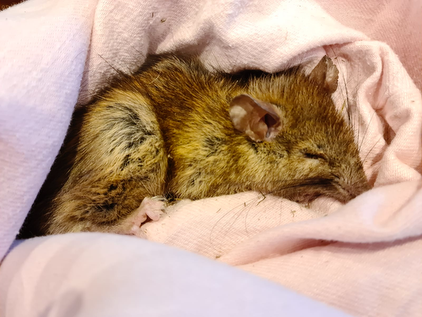
Native bush rat mistaken for a bilby in XMatters callout. Photo by Debbie Ellis.
|
|
|
|
|
|
|
|
|
|
Notices
The WIRES MSC Annual General Meeting will take place on Tuesday 20th October at 7pm via Zoom. You will be emailed a link for the meeting beforehand.
If you have never attended a zoom meeting, the video below shows how to install the Zoom app and how to join a meeting. Or just follow these steps if you are using a computer:
- Click the Zoom link in your email
-
If you haven’t already, click "download and run Zoom” and follow the instructions for installing and running the app.
-
Click "Join with Video"
- Click "Join with Computer Audio"
- You have joined the meeting and can see the other participants by clicking "Gallery View" or focus on the speaker by clicking "Speaker View”.
- When the meeting is finished click Leave Meeting
|
|
|
|
|
|
|
|
Featured YouTube: Rescue Beaver Loves Building Dams In His House
|
|
|
|
|
|
|
|
Featured YouTube: Affectionate animals with humans
|
|
|
|
|
|
|
|