|
|
Mid-South Coast Newsletter
March 2021 |
|
|
|
|
|
|
|
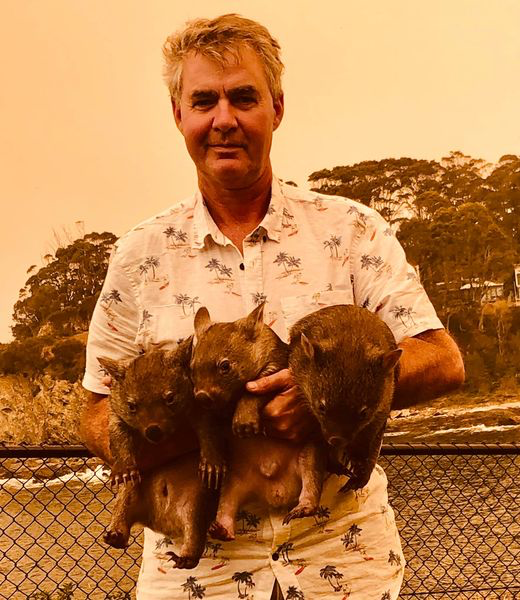
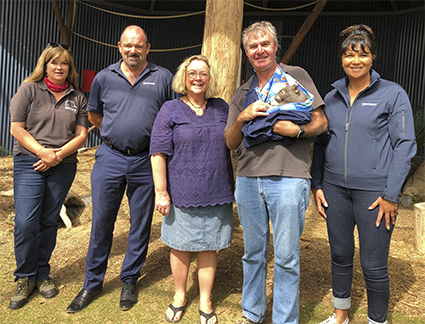
Photo: Tony de la Fosse with wombat joeys by Helena Barlow |
|
|
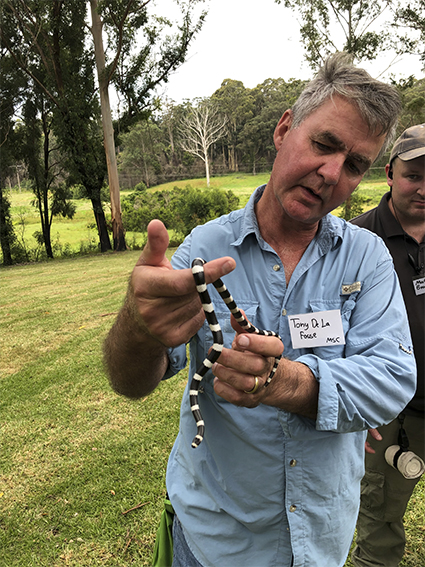
Photo: Tony de la Fosse with a Bandy Bandy snake by Sandy Collins |
|
|
|
|
Tony the Treasurer
Tony de la Fosse is not only our branch treasurer but also our wombat coordinator. He has had an interesting career starting as an army officer, then managing the administration of the High Court, followed by the APVMA (Australian Pesticides and Veterinary Medicines Authority) where he was chief operating officer. There he gained a broad understanding of veterinary medicines as well as the approval and regulatory processes.
After that Tony and Helena Barlow (currently our equipment officer) moved to PNG where Helena worked with the PNG government and Tony was on the executive of the Kina Bank, looking after its corporate services team including information technology, human resources, legal and public relations. Because of the prevalence of violent crime in PNG, they were mostly confined to life in a secure compound. Tony’s only contact with wildlife was seeing it being sold on the side of the road which he found heartbreaking.
When Tony and Helena returned to Australia in 2018 they joined WIRES. Tony had a long standing interest in wildlife preservation and once had a diamond python pet when he was a boy. He also likes adrenaline sports and maybe that explains his enthusiasm to catch and relocate snakes for the branch.
When they were offered ‘Edna’, a wombat joey to care for, at a time when the branch had few experienced wombat carers, Tony found her to be a fun, playful, beautiful little animal. However as the branch had no soft release facilities she was eventually relocated to Braidwood.
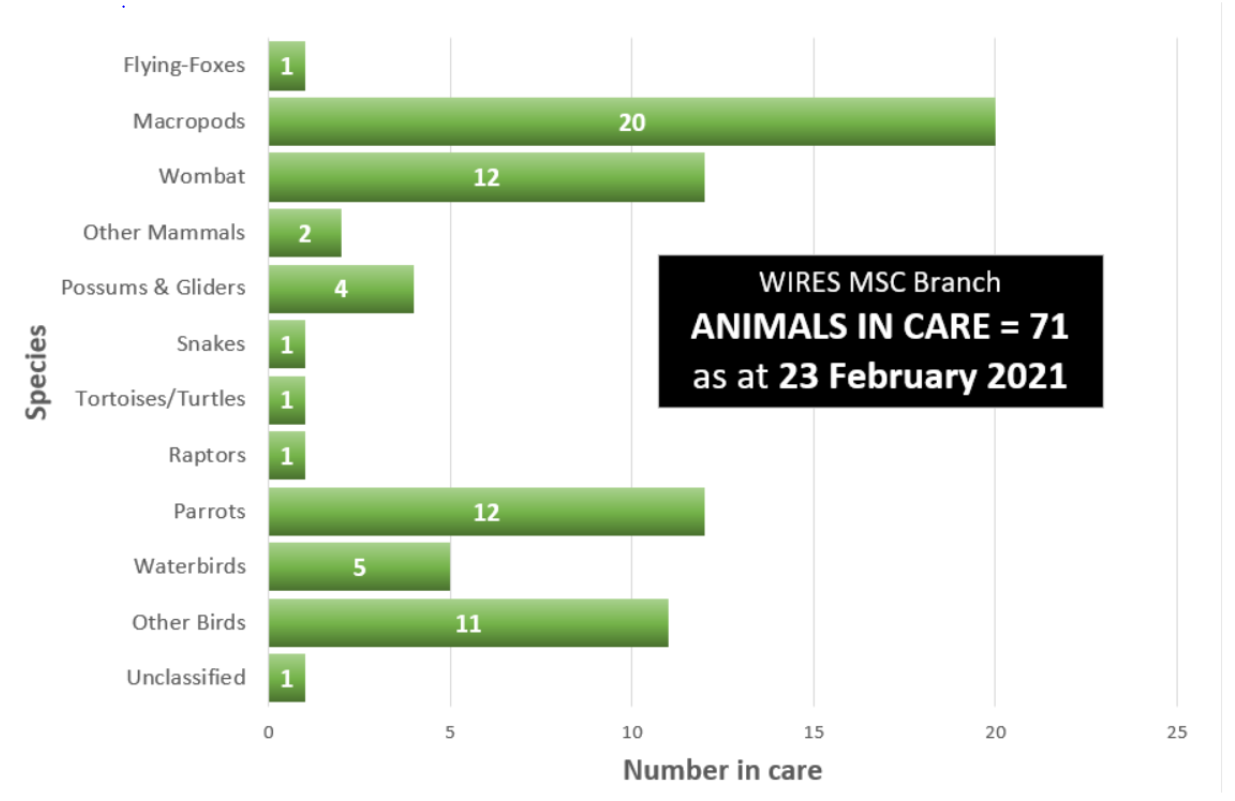
As wombat coordinator, Tony has sought to expand the branch's capacity to care for wombats, increasing the number of carers and establishing local sites for soft release, including the purchase of three mobile soft release enclosures. Currently our branch has 12 wombat joeys in care, with around half of them coming from outside our region. Tony has also campaigned to expand the treatment program for mange in the local wombat population. |
|
|
|
|
|
|
|
|
|
Ducks under Fire
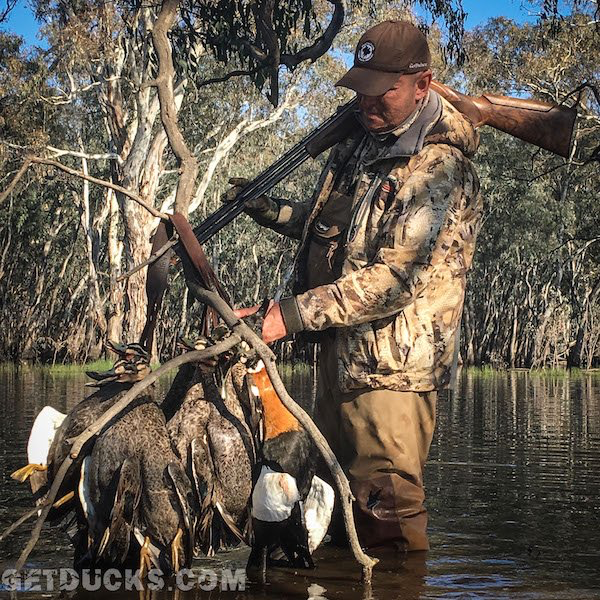
Duck hunting will be permitted in South Australia, Victoria and Tasmania this season (March to June). There are calls from hunters for it to be reinstated in New South Wales where it has been banned for years.
"BirdLife Australia has once again voiced its long-standing opposition to the killing of our native ducks for the enjoyment of a handful of hunters."
Duck populations are in decline in Eastern Australia, according to a University of New South Wales study. "All waterfowl species abundances were well below their long-term averages — in some cases by an order of magnitude — and five species continued to show significant long-term declines. And breeding had virtually stopped for most species."
Ref: Ducks in the firing line… again, Birdlife Australia, accessed 3 March 2021. |
|
|
|
|
|
|
|
|
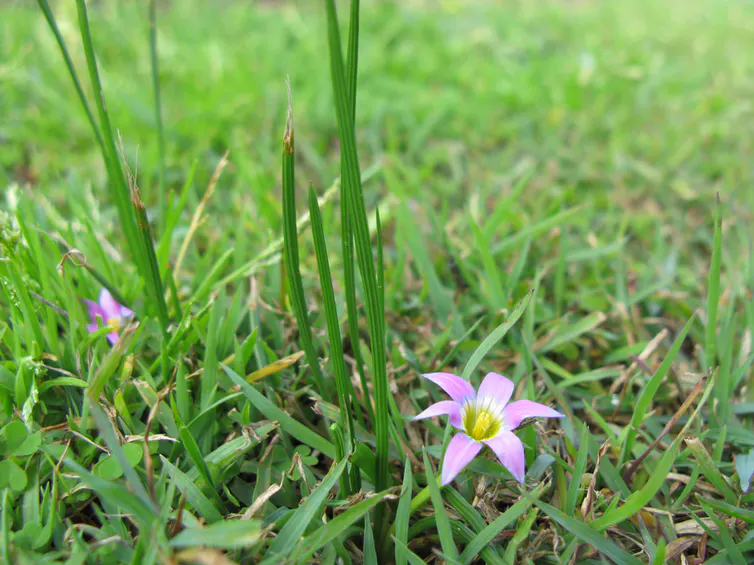
Photo: Onion grass by Harry Rose in Wikimedia |
|
|
|
|
|
|
|
|
|
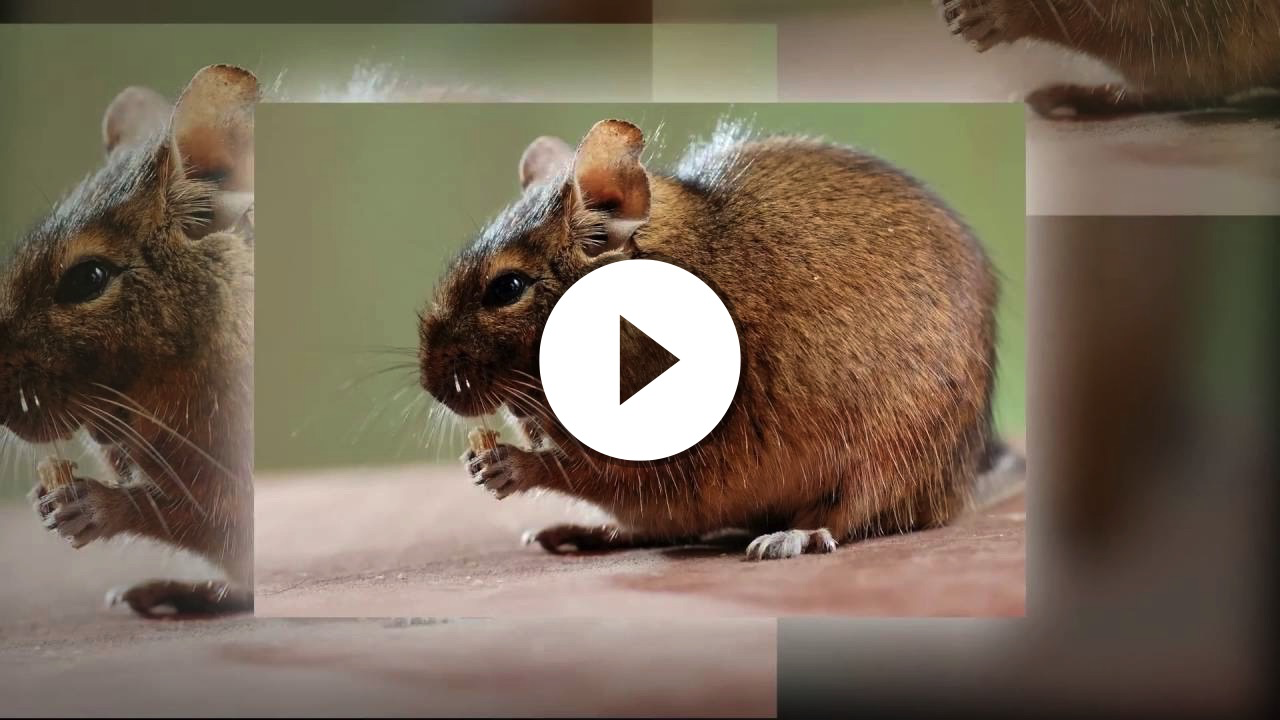
The Bramble Cay melomys, a native brown rat, is the first recorded mammal extinction due to human-induced climate change in Australia. Authorities knew it was endangered and had devised a recovery plan but it was not implemented.
|
|
|
|
|
|
|
|
Reducing Cat Kills
A UK university study has found that if domestic cats are fed a meat-rich diet and are able to play with their owners for a short time each day, they are less likely to hunt and kill wildlife.
"Some cat foods contain protein from plant sources such as soy, and it is possible that despite forming a ‘complete diet’ these foods leave some cats deficient in one or more micronutrients – prompting them to hunt,” said Martina Cecchetti, a PhD student who conducted the experiments.
The University of Exeter study found that “introducing a premium commercial food where proteins came from meat reduced the number of prey animals cats brought home by 36 per cent, and also that five to 10 minutes of daily play with an owner resulted in a 25 per cent reduction”.
Ref: John Elder, Cats are decimating native wildlife, but more play and meat-rich diets could help, The New Daily, 17 February 2021.
|
|
|
|
|
|
|
|
|
Photo by Nick Chu in The Conversation. |
|
|
|
|
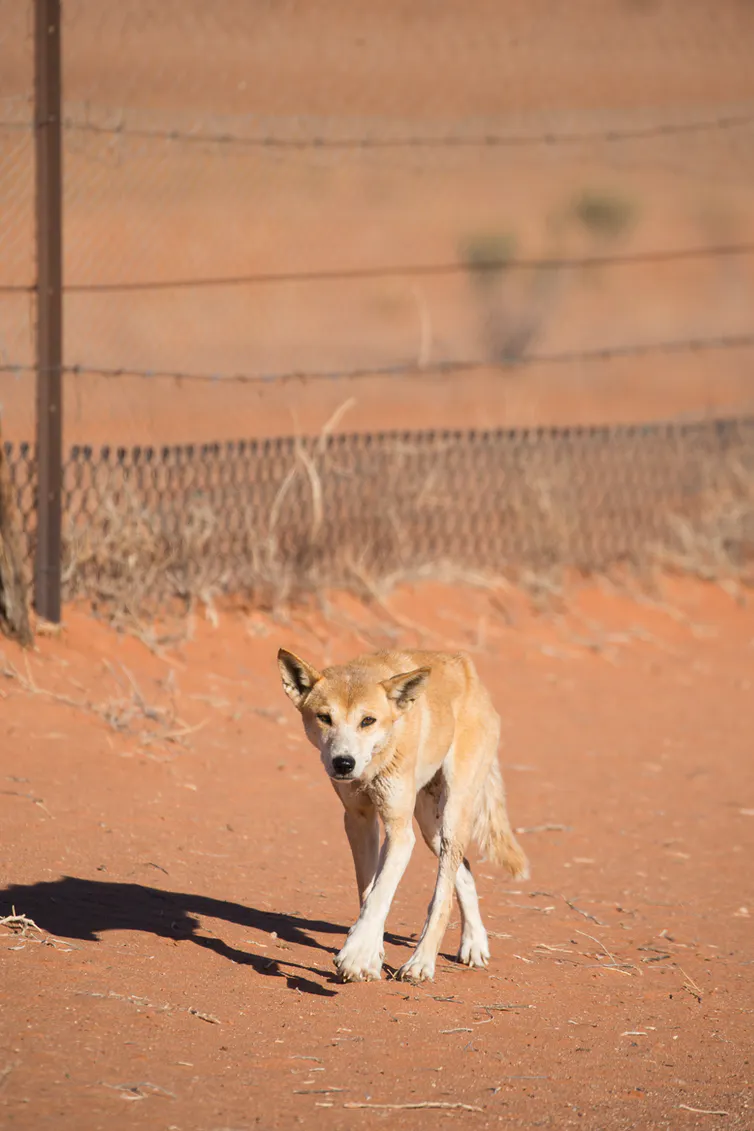
Dingo Fence Consequences
Australia’s dingo fences “stretch more than 5,600 kilometres across three states”. Their aim is to keep dingoes out of sheep grazing farms in southeastern Australia.
However, a study by University of NSW researchers using satellite images has found that inside the fence, populations of kangaroos have increased. This has caused overgrazing which has damaged the soil and led to erosion. Moreover feral cat and foxes have been kept down outside the fence by dingoes.
"Less vegetation can also leave small animals, such as the vulnerable dusky hopping mouse, exposed to other threats like cat predation."
Ref: Adrain G. Fisher et al, The dingo fence from space: satellite images show how these top predators alter the desert, The Conversation, 24 February 2021.
|
|
|
|
|
|
|
|
|
|
Emergency Management of Seabirds
Australian Seabird Rescue is a grass-roots community group that aims "to reduce the human impact on wildlife through rescue, research and education”. It trains people to capture, handle and give first aid of seabirds, shorebirds and other coastal wildlife, including sea turtles. Its website has links to two downloadable guides:
|
|
|
|
|
|
|
|
|
|
Narooma ORRCA Workshop
ORRCA is authorised by the National Parks and Wildlife Service of NSW (NPWS) to assist with the rescue and rehabilitation of marine mammals. "It is under this licence that its rescue members volunteer their time to help save the lives and manage situations along our coastlines."
When: Saturday 27 March 2021
Where: Narooma
Cost: Membership $90, refresher free.
Benefits: ability to respond to marine mammal situations as needed; being able to be a first responder and to report observations to the Rescue Hotline Team; becoming a peace keeper between the animal and the public; building awareness and educating.
More info: ORRCA Workshops
|
|
|
|
|
|
|
|
|
|
Book: The Bird-Friendly City
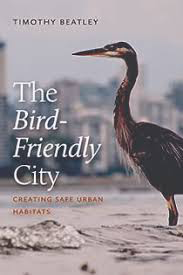
Timothy Beatley, The Bird-Friendly City: Creating Safe Urban Habitats, Island Press, Washington, 2020.
"Our attraction to birds runs deep. The pleasure and joy we feel when they are around are undeniable, and for many of us their presence is a key aspect of our innate affiliation with and love of nature and of living systems. This connection is called ‘biophilia,' a love of life and living things. There are many who speak of the power of birds and the importance they play in their lives."
Download the first chapter on 'The Benefits of Birds in a World Shaped by Humans' as a pdf here. |
|
|
|
|
|
|
|
|
|
Booklet: Collecting Browse
Karen Scott, Collecting Browse for Wildlife, A guide to the sustainable collection of browse and
enrichment for sick, injured and orphaned wildlife in South-
east Queensland, Wildcare Australia, November 2020.
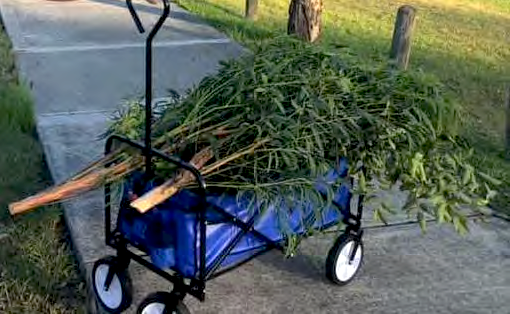
‘Browse’ is native vegetation that carers collect to feed to native wildlife in their care. This booklet, which can be downloaded for free, includes information on safety, cutting tools, collection locations, hygiene, keeping browse fresh, and many other relevant topics.
More resources: Carers Resources, Wildcare Australia |
|
|
|
|
|
|
|
|
|
|
More Worm Farming Workshops
Worm farms are not only great for generating fertiliser for your garden but also worms for birds you might have in care. It is easy, takes little time, and utilises your kitchen scraps and garden clippings. The Eurobodalla Shire Council is again running workshops for residents. Those attending will get a free worm farm kit (normally costing over $100).
Where: Moruya Waste Transfer Station, Yarragee Rd
Cost: Free to Eurobodalla residents
When: Friday 12 March 12-1.30pm, or
Saturday 13 March 9.30-11am, or
Friday 19 March 9.30-11am, or
Saturday 20 March 12-1.30pm
Booking: Council Waste Services on 4474 1024
Link: Council Events Calendar |
|
|
|
|
|
|
|
|
|