|
|
Mid-South Coast Newsletter
June 2022 |
|
|
|
|
|
|
|
|
|
CELEBRATING 2 YEARS OF THIS NEWSLETTER!! |
|
|
|
|
|
|
|
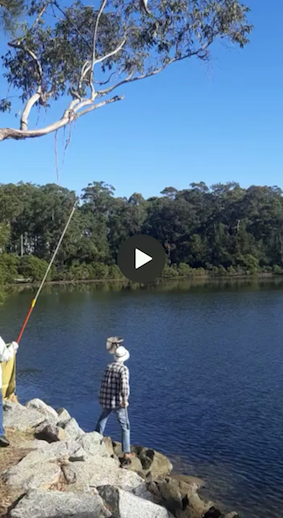
Video of flying-fox rescue using extending poles.
|
|
|
|
|
Flying-Fox Rescue
by Janet Jones
Last month there was a callout for the rescue of a grey-headed flying-fox entangled in fishing line and suspended from a branch overhanging the Tomaga River behind The Moorings, Tomakin.
Shelley Clarke was passing so took a photo for me to assess the situation and also arranged for a member of the public to take a video of the rescue.
The video (left) shows the use of an 3m extending pole with a small net attached and another with an ultra sharp knife attached. (Several of our experienced rescuers have extending poles which are also used for flying-fox pup rescues.) It all went smoothly. Chris Jones caught the flying fox in the net once the line was cut by Shelley. Thanks to Shelley for assisting but keeping her distance.
To rehydrate the flying-fox I gave it fluids subcutaneously while in the car where it was more secure. One wing was entangled in fine fishing line, still with a sinker attached. I carefully removed the line using small scissors.
The flying-fox, named Juniper, had constriction injuries where blood supply was cut off or considerably reduced. These are painful and can develop into tissue breakdown. They are a nightmare to treat and can escalate rapidly leading to unviability, then euthanasia.
(Unfortunately, despite Janet’s wonderful care, Juniper was euthanised a week later on advice from the vet.)
Grey-headed flying-foxes are very endearing and it’s always awful to lose one through the thoughtlessness of humans.
We need to realise that they are now listed as a threatened species. They are not maintaining population numbers due to many natural disasters: drought, heat events, bushfires, floods, extended rain periods washing out the nectar of blossoms causing starvation and death. Then there is fruit netting and barbed wire fencing en masse since the fires, and electrocution on powerlines.
They simply aren’t winning.
|
|
|
|
|
|
|
|
|
|
Rescuing Macropods
When rescuing kangaroos or wallabies it is important to be aware of your own risks as well as the risks to the animal you are rescuing.
Macropods can bite, scratch and kick and it is not only the sick or injured animal you have to watch out for but also nearby animals, particularly mothers of joeys.
Kangaroos and wallabies will suffer from “capture myopathy” if they are panicked while they are being rescued or transported and this is often fatal. It is therefore important not to scare the animals too much when capturing and handling them. For this reason adult macropods need to be sedated before they can be rescued, transported or treated.
Authorised sedation is available in our branch by contacting the coordinator, Beris Jenkins, or, if she is unavailable, one of the shooters.
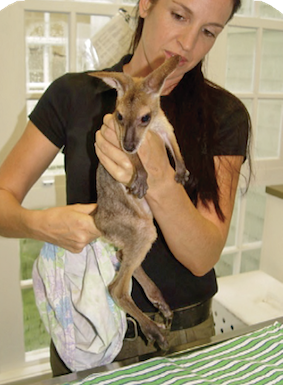
Kangaroo and wallaby joeys also need to be handled carefully. "For small macropods, grab the base of the tail near the rump and lift off the ground facing the legs away from you and others. Support the chest with the other hand (see photo). To place in a bag (pouch) have someone hold it open and insert the macropod head first, directing the body into a u-shape.”
Once captured and transported the animal will need quiet, warmth and fluids. Do not try to feed them before they are settled, warmed and rehydrated. Keep them in the pouch if you are examining them and only expose one part at a time. Always consult the macropod coordinator, Beris Jenkins.
More Info: Macropods: Veterinary Triage & Assessment, Wildlife Heroes, accessed June 2022.
|
|
|
|
|
|
|
|
|
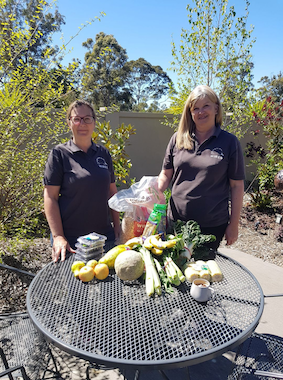
Photo: Janelle Renes and Heidi Horvath with a load of food from Woolworths.
|
|
|
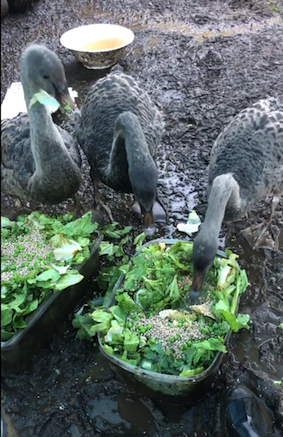
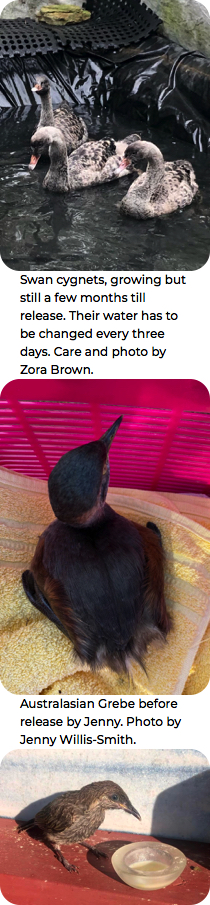
Swan cygnets in care of Zora Brown. Outer lettuce leaves and Asian greens (this much twice a day) donated by Woolworths in Ulladulla and Batemans Bay as well as Bawley Point IGA. Screenshot from video. |
|
|
|
|
Woolies Food For Wildlife Program
Since 2020 Woolworths and WIRES have been working together to divert some of their waste food from Woolworths to wildlife carers.
Volunteer members from our branch collect food from the various Woolworths stores for distribution to members.
In the case of Moruya Woolworths, Kathy Godwin receives requests from local WIRES carers, and then goes into Woolworths twice a week to collect fruit and vegetables (not meat) which she distributes to those who requested it. Currently she is mainly picking up fruit for bats in care.
The fruit is judged as unfit for the shelves because of minor blemishes such as bruises but it is still good quality for wildlife. Whole packages of apples, for example, are removed from the shelves because one apple is bruised. The Moruya Woolworths staff, says Kathy, “are fantastic and very supportive”. The food would otherwise go to pigs.
In the case of Batemans Bay, carers email Heidi their food requests, and once a week she emails a request to Woolworths. These requests can be quite specific and generally Woolies provides exactly what has been asked for, including bird seed and frozen peas. Then Heidi picks it up and delivers it or if she is not available other members are able to collect directly from Woolies.
Heidi said that managers and staff are very supportive of WIRES and enjoy seeing photos and videos of the wildlife that benefit from the food. She said the staff she deals with are “absolutely awesome and amazing”.
Any member who wants to take advantage of this program should contact their local volunteer. They are:
|
|
|
|
|
|
|
|
|
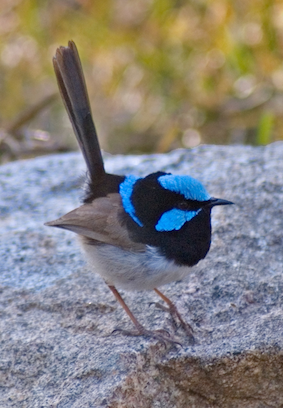
Photo: Superb fairy-wren by Sharon Beder
|
|
|
|
|
Fairy-Wren Password Song
Sometimes a cuckoo will lay its eggs in a fairy-wren’s nest and if the mother fairy-wren is unable to tell it is a cuckoo it will use precious time and food raising another bird’s chick.
"But the female superb fairy-wren has developed a truly ingenious way to detect foreign nestlings once the eggs hatch.
"She sings to her eggs – and includes in the song a specific “password”. Once her chicks hatch, they sing the password when begging for food.”
In other words, she can identify her own chicks by their song and the cuckoo chick is unable to replicate this song. Unfortunately this may not be so good for the cuckoo chick.
Ref: Ayesha Tulloch and Christina Zdenek, This Mother’s Day, let’s celebrate the brave, multi-tasking mums of the Australian bird world, The Conversation, 6 May 2022.
|
|
|
|
|
|
|
|
|
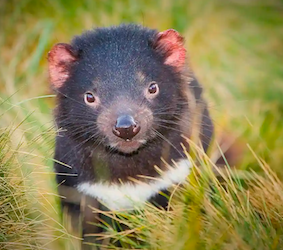
Photograph: Tasmanian devil by Darran Leal. |
|
|
|
|
Plans Scrapped to Save Species
Recovery plans, developed by federal and state governments, are designed to prevent the extinction of species and habitats. After the federal election was called, recovery plans for 176 species and habitats were quietly removed under direction of the then federal environment minister, Sussan Ley.
This action was taken even though the government had received 6700 submissions opposing the proposal to scrap these recovery plans.
Manager of policy and strategy at the Wilderness Society, Tim Beshara, said: “On what sort of planet does the commonwealth think they don’t need a recovery plan for a Tasmanian devil, one of the ecologically most important species in existence or the critically endangered Christmas Island flying fox, a species entirely under commonwealth control and one of Australia’s most likely next extinctions.”
Susan Ley said she had followed the advice of the threatened species scientific committee (TSSC) and decided that recovery plans did “not provide a significant conservation planning benefit” beyond other mechanisms already in place.
The chair of the TSSC said recovery plans were ineffective because they were often unfunded and generally not implemented. Also they could not be updated quickly after emergencies such as bushfires.
Ref: Lisa Cox, Coalition scrapped recovery plans for 176 threatened species and habitats in one of its final acts, The Guardian, 2 June 2022.
|
|
|
|
|
|
|
|
|
|
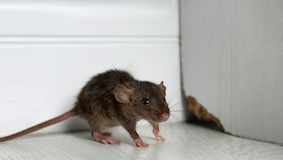
Vets Warn About Rat Poison
Australian vets are warming about the dangers to pets, birds of prey, and wildlife of using rat poisons, especially second-generation anticoagulant poisons.
Nature Conservation, Margaret River Region, has formed a Rodenticide Action Group to limit use of the second generation rat poisons "that are killing off our Boobooks, Masked Owls and likely many other nocturnal wildlife".
A survey of domestic pet and wildlife vets found that one in five were treating pets suffering from these poisons every week.
Second-generation anticoagulant poisons that cause internal bleeding can be bought at supermarkets and hardware stores. Pets and wildlife can then ingest them directly or eat poisoned rats that are slowly dying.
BirdLife Australia is calling for these poisons to be to be banned from domestic sale. “In the meantime, we are calling for retailers like Bunnings to voluntarily take these products off their shelves…. For consumers seeking to make better choices, try old-fashioned snap traps first, they are the more humane option.”
Refs: Rat Control and Local Wildlife, Nature Conservation Margaret River Region, 2019; Lisa Keller, Vets call for better treatments to be used for mouse plague to protect pets and wildlife, Glam Adelaide, 14 May 2022.
|
|
|
|
|
|
|
|
|
|
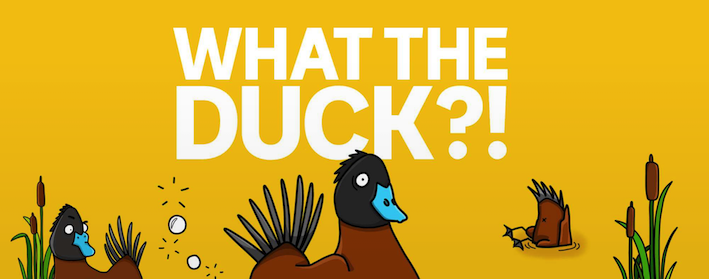
What the Duck?! is an ABC podcast hosted by Dr Ann Jones, exploring unusual aspects of the natural world. "Like why do quolls have spots? Who farts (and who doesn't)? And how do snakes climb trees?”. The program also airs on ABC radio national on Saturdays at 5.30am, repeated on Sundays at 3pm and Thursdays at 11.30am. Recent episodes include “How to catch an Emu” and “Australian native animals as pets. Yes/No”. |
|
|
|
|
|
|
Photo: Tough morning at Lorita and Kevin’s by Jenny Willis-Smith |
|
|
|
|
What I learned from…
by Jenny Willis-Smith
What I learned from ‘poo patrol’ at Lorita and Kevin’s:
- If you are lucky you get to give the joeys their bottle 🥰
- Big wombats are not as cuddly as little wombats.
- Wombats do have square(ish) poo
- It’s easier to pick up the poo from grass wearing gloves and there are many supervisors 😄
- Our joey carers work really long hours
- A couple of hours out of your week helps so much.
PLEASE SEND MORE CONTRIBUTIONS - Editor |
|
|
|
|
|
|
|
|
Some Pics from WIRES Mid-South Coast
|
|
|
Little wattlebird in care of Zora. Photo by Zora Brown. |
|
|
|
|
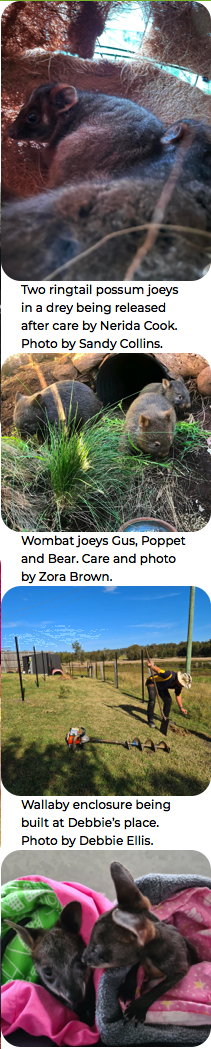
Sammy and Sally, swamp wallaby joeys getting used to each other. Care and photo by Debbie Ellis. |
|
|
|
|
Morty (Moticia), the kangaroo joey in care of Natalie. Photo by Natalie Moore. |
|
|
|
|
|
|
|
|
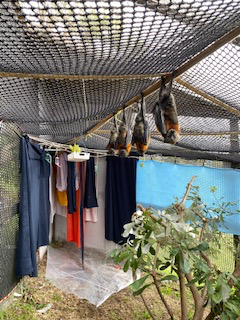
Photo: Flying-fox outdoor aviary by Janet Jones. |
|
|
|
|
Flying-fox Outdoor Aviary
A new outdoor aviary for flying-foxes is being set up at Janet Jones' place. It currently has 7 residents that are watching as the aviary is fine-tuned around them. It is not full size but they have more freedom to move about than before and are enjoying the sun and fresh air.
A 'cosy corner' provides security, warmth and comfort with drapes of wool blankets and polar fleece. An external heat emitter will be added to warm a part of the wall for cooler nights. The aviary will also be weather-proofed. |
|
|
|
|
|
|
|
|
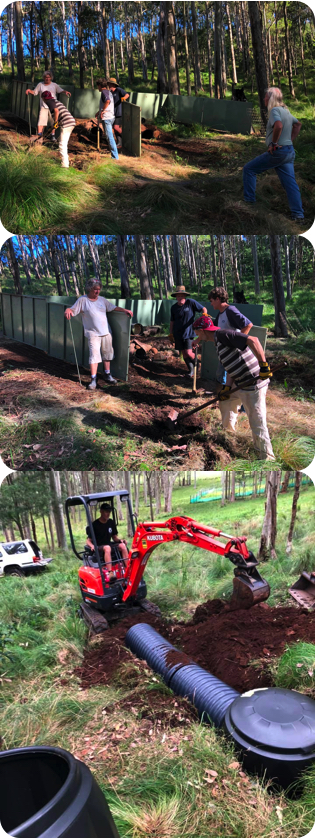
Wombat Enclosure Relocation |
|
|
|
|
|
Zora Brown and her helpers dismantled the old wombat enclosure, carried the large steel frames by hand to the new site, and reconstructed it for the new season of wombat joeys. |
|
|
|
|
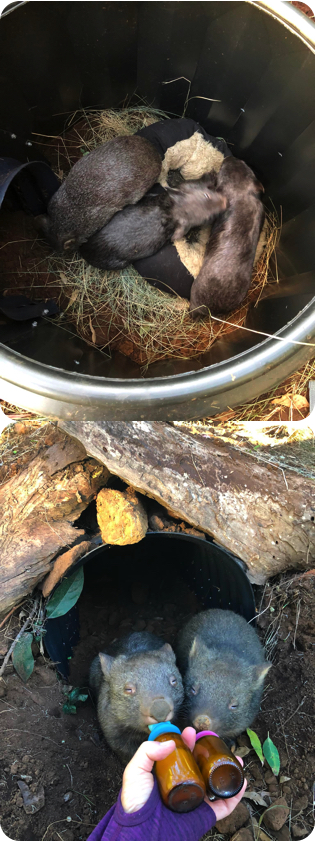
Wombat joeys Gus, Poppet and Bear in their new accommodation for the next stage of rehabilitation into the wild. Care and photos by Zora Brown. |
|
|
|
|
|
|
|
|
Notices
AGM
The branch Annual General Meeting will be held on Wednesday 6th July at 6.30pm at the Batemans Bay Soldiers Club in the downstairs meeting room. For those interested, we will book a table for dinner at 5:30 pm prior to the meeting, so please advise Caz Roberts if you will be attending the dinner.
All branch positions will be declared vacant. If you wish to nominate yourself or others for a position fill in a nomination form and send it to Caz. Nominations close 6.30pm Wednesday 29 June 2022.
Get Together
Sunday 12th June from 10am, Eurobodalla Botanic Gardens, south of Batemans Bay, on the open lawn area. There's a lovely café to grab morning tea and stay on for lunch if you like! Bring a chair, picnic rug, your questions.. 😚
Have you seen an XMatters callout but not sure what to do next?? We'll do some demonstrations on rescue techniques, talk about equipment and answer any questions. Got concerns? Anything you're not sure about? Come along.
|
|
|
|
|
|
|
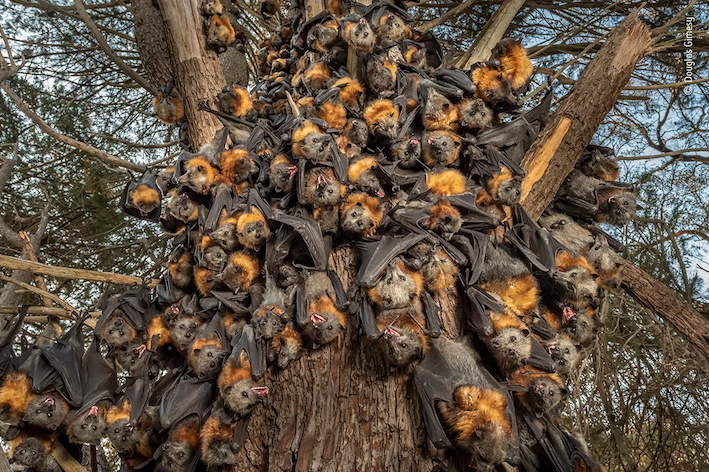
Featured Photo: ‘A Deadly Huddle” by Doug Gimesy.
This photo was taken in Melbourne during an extreme heat event with temperatures over 43 degrees Celsius. “The flying foxes descend from the safety of the tree canopy in a desperate search for somewhere cooler and less exposed,” says Doug.
“Ironically, and sadly, this behaviour results in what experts call ‘clumping’ where large numbers of bats congregate in close proximity, and with no evaporative cooling they become even hotter. This behaviour is often a precursor to mass deaths, where one may fall, taking others down with them.
“On the ground, exhausted, and unable to climb, the bodies pile upon each other compounding their heat stress and suffocating some. Sadly, on this day hundreds of bats were piled on top of each other, dead or dying, at the base of several trees.” |
|
|
|
|
|
|
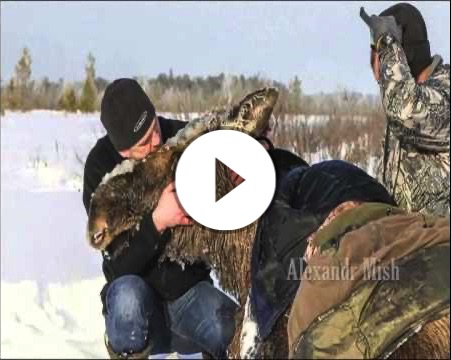
Featured YouTube: Animal rescues compiled by Alexandr Fish |
|
|
|
|
|
|