|
|
Mid-South Coast Newsletter
July 2023 |
|
|
|
|
|
|
|
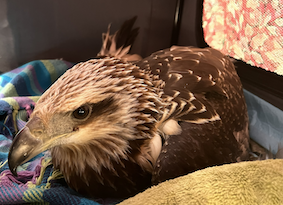
Juvenile Sea Eagle Success
|
|
|
|
|
|
Last November Renate Cooper rescued a juvenile sea eagle with a compound fracture. Sandy Collins stabilised her and recognised early that she had a significant injury to her left wing.
With the help of Shane O’Keefe, Roo was transferred to the Raptor Recover Centre in the Southern Highlands (see Dec 2022 issue).
|
|
|
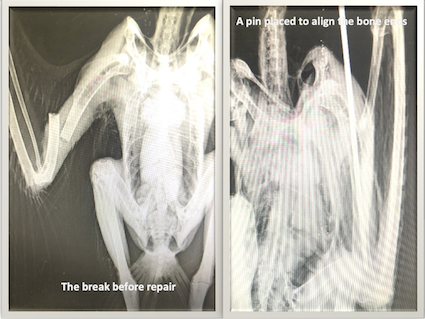
A pin was placed to align the bone ends.
|
|
|
Roo had fractured her humerus and the bone was protruding through an open part in the skin.
Bone exposed to the air will start drying out, and infection will set in, markedly reducing the chances of repair in a very short time frame. Humeral fractures are very prone to breaking through the skin in birds, and very treatable if recognised early enough as in this case.
Usually humeral fractures are placed in an external apparatus, but in Roo's case the soft tissue damage was so severe that they were reluctant to add more trauma and opted for a bandage instead.
|
|
|
|
|
Roo was then nursed back to strength over the following days and the bandaged wing managed with physiotherapy for 2 weeks until the bandage was removed.
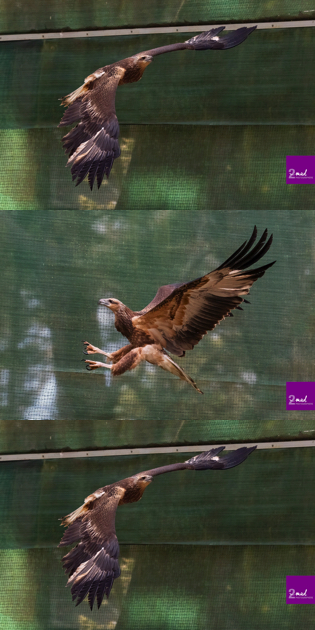
Over the next month, the Centre transitioned Roo through several stages of aviaries until she finally moved into one of the large circular flight aviaries.
It took her a few weeks, but each week she went from strength to strength, building her confidence until she was confidently circling the aviary. She will be released soon.
|
|
|
Photos by 2madPhotographers
|
|
|
|
|
|
|
|
|
|
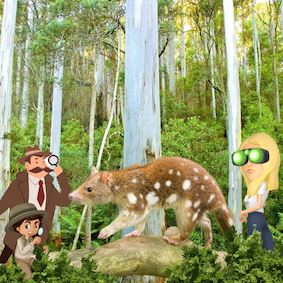
Spotted Quoll Project
by Sharlene Cohen, Urban Rewild
This project is run by the local Coastwatchers Association; part of a contract with the Great Eastern Ranges initiative funded by the Worldwide Fund for Nature, Australia.
We are collecting and recording information of confirmed sightings, conducting interviews, and placing cameras and food bait stations on private lands that we believe have either had sightings or scats, properties that have suitable vegetation and habitat that Quolls are likely to be either passing through or would have suitable breeding (den) sites.
Quolls cover great distances, especially in the breeding season around June, so keep your eye out for these cute cat-like predatory mammals (they like chickens) who have the second strongest bite of any Australian animal after the Tasmanian Devil.
The area we are observing is the Eurobodalla and lower Shoalhaven, from Termeil south to Dignam’s Creek, and inland to the top of the escarpment. A particular area of potential sighting is the Deua River.
GPS location is ideal, but if not, as much information as possible; for example, a cross-road or a distance from a specific location.
Facebook - Quoll Detectives | Facebook |
|
|
|
|
|
|
|
|
Photograph: Stephen Frink/Getty Images |
|
|
|
|
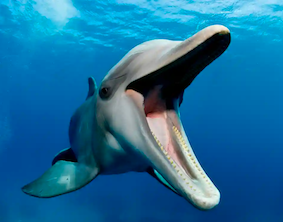
Dolphins Use Baby Talk
A study of mother bottlenose dolphins in Florida has found that when they are communicating with their calves they use a higher-pitched whistle with a greater pitch range than when they are communicating with other adult dolphins.
The study used special microphones over a period of three years. It is thought that the higher pitch might be to signal to the calf that they are being addressed, as opposed to another dolphin, or perhaps the higher pitch is used to attract and hold their calf’s attention. Another theory is that the greater pitch range helps calves to learn novel sounds, as with humans.
"Female rhesus monkeys may alter their calls to attract and hold offspring’s attention. And zebra finches elevate their pitch and slow down their songs to address chicks, perhaps making it easier to learn birdsong."
Ref: Associated Press, Dolphin mothers use ‘baby talk’ with their calves, recordings show, The Guardian, 27 June 2023. |
|
|
|
|
|
|
|
|
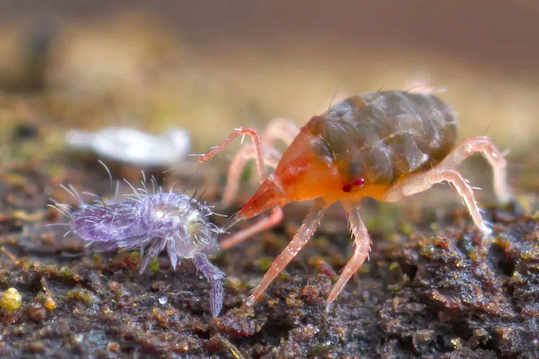
A predatory snout mite (Bdellidae) feeding on a purple springtail (Collembola). Photo by Nick Porch. |
|
|
|
|
Insects Killed by Bushfires
The warm temperate rainforests burned out during the 2019-20 Black Summer bushfires killed more than 60 billion invertebrates in the soil and leaf litter.
"While our hearts went out to the burned koalas and kangaroos, this was a silent tragedy. These tiny creatures are enormously important in ecosystems. They eat dead leaves, create rich soil, and provide a key food source for bandicoots and lyrebirds. Many species have very small ranges, putting them at real risk of decline or even extinction from fire.”
Researchers took leaf litter samples from various rainforest locations that had been subject to medium or high severity fires between East Gippsland in Victoria and Nowra in NSW. They compared the number of macroinvertebrates with the numbers in locations that had escaped the fires.
By extrapolation they estimated that 60 billion tiny creatures had died in the rainforests, but since rainforests only make up about 1% of the areas burned, the total numbers killed could be 100 times more, and that doesn’t include even smaller insects like mites and springtails.
Ref: Heloise Gibb and Nick Porch, More than 60 billion leaf litter invertebrates died in the Black Summer fires. Here’s what that did to ecosystem, The Conversation, 8 June 2023. |
|
|
|
|
|
|
|
|
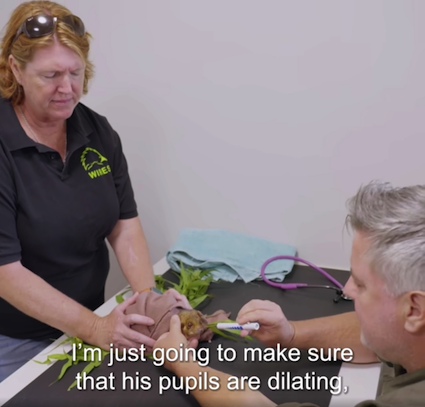
Natalie Moore at Ulladulla vet practice with Dr Andrew Ottley and Pumpkin, the ringtail possum, featured on the television show Bondi Vet. |
|
|
|
|
|
|
|
|
|
Some Pics from WIRES Mid-South Coast |
|
|
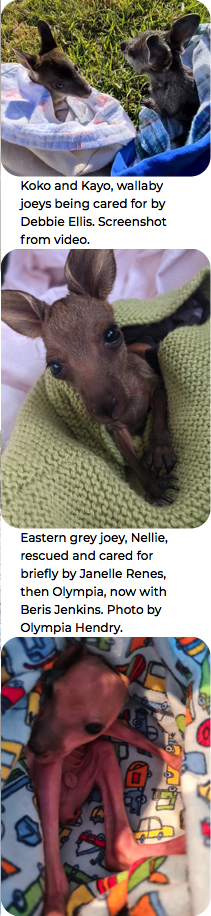
Eastern grey joey, Zali, 1.1kg, found alone at Merry Beach. Zora is caring for her until Renate Cooper gets back. Photo by Zora Brown. |
|
|
|
|
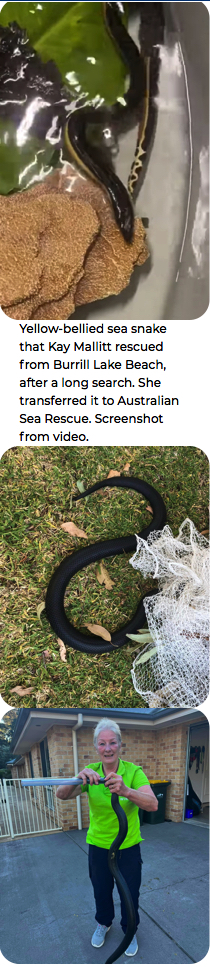
Red-bellied black snake released from netting around its head and neck by Kay (pictured) with the help of Sandy. Photos by Kay Mallitt and Sandy Collins. |
|
|
|
|
Orphaned male joey rescued in Moruya by Debbie and transferred for care by South Coast Wildlife Rescue. Photo by Debbie Ellis. |
|
|
|
|
|
|
|
|
Notices
At the recent branch AGM the following positions were decided:
Branch Management Committee Executive:
- Chair and WIRES State Council Rep: Janelle Renes
- Vice Chair: Shelley Clarke
- Secretary: Sheryl Steele
- Treasurer: Caz Roberts
- Statistics & Training: Rachel McInnes
Other Positions:
- Food Distribution Officer: Beris Jenkins
- Equipment Officer: Jenny Wills-Smith
- Newsletter Officer: Sharon Beder
- Membership Officer: Liz Spiller
- Wombat Mange Coordinator: Sheryl Steele
|
|
|
|
|
|
|
The following species coordinators were appointed by the Executive:
- Macropods: Beris Jenkins
- Wombats: Kevin and Lorita Clapson
- Bats and Flying foxes: Kylie Lopes
- Small Mammals (including possums and gliders): Shelley Clarke
- Avian: Rachel McInnes and Janelle Renes
- Raptors: Sandy Collins and Shane O'Keefe
- Reptiles & Amphibians: Kay Mallitt
|
|
|
|
|
|
|
Dead Animals on the Side of the Road
If it is safe to do so, and you are physically able, consider pulling freshly killed wildlife off the roadside and out of view. It prevents other animals becoming road victims, too. |
|
|
|
|
|
|
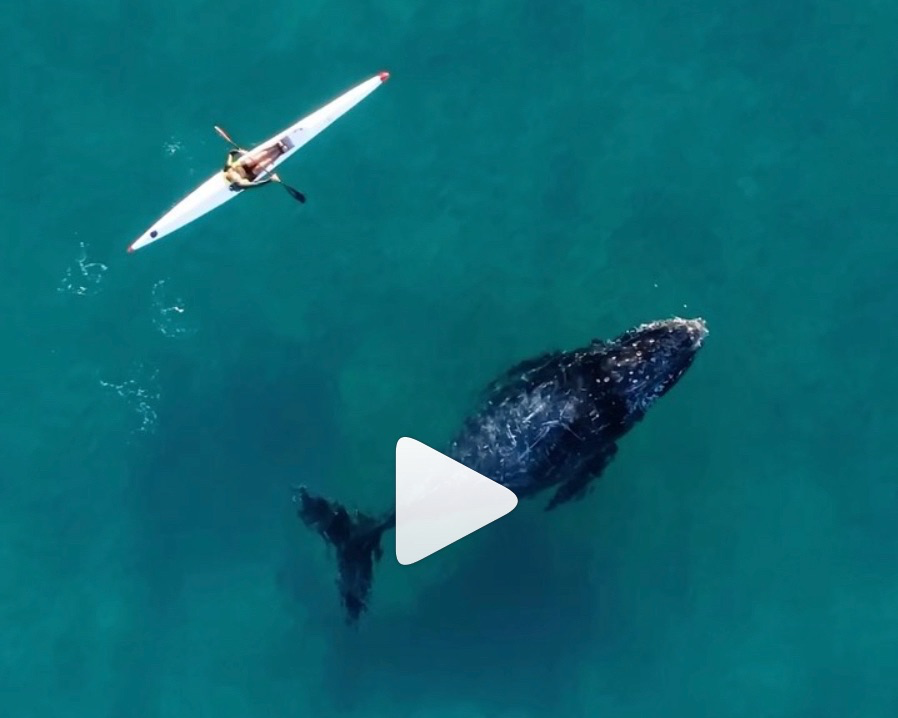
Whale swims with kayaker on a morning paddle in Sydney
"The humpback can be seen diving above the waves just metres from the kayaker and another lucky swimmer. The curious whale reportedly followed the kayaker from Tamarama to Coogee Beach." (see embedded video in this Sydney Morning Herald article) |
|
|
|
|
|
|
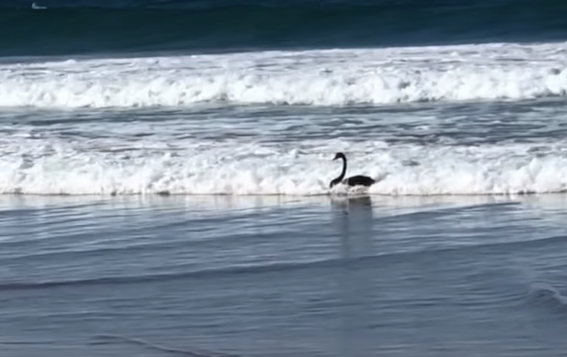
Video of Body Surfing Swan at Potato Point by Karyn Everingham (ABC South East NSW Facebook page) |
|
|
|
|
|
|
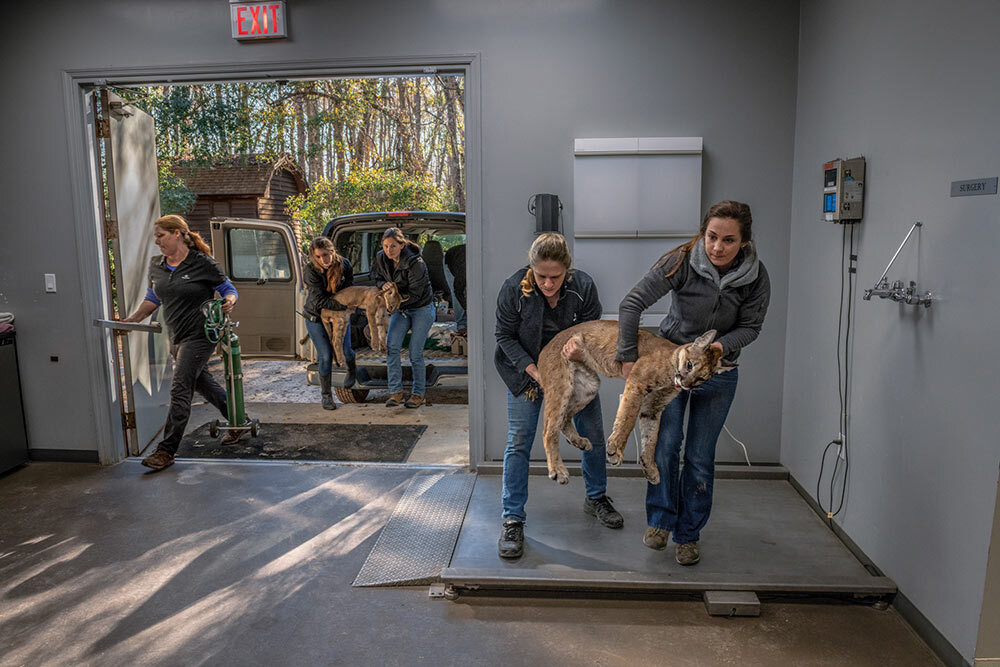
Cars vs. panthers in Florida: Staff at the White Oak Conservation Center carry two sedated kittens whose mother broke her leg when struck by a car. The mother was nursed back to health, and the family was returned to the wild. Shortly after, however, the kittens were killed when they were hit by cars. |
|
|
|
|
|
|
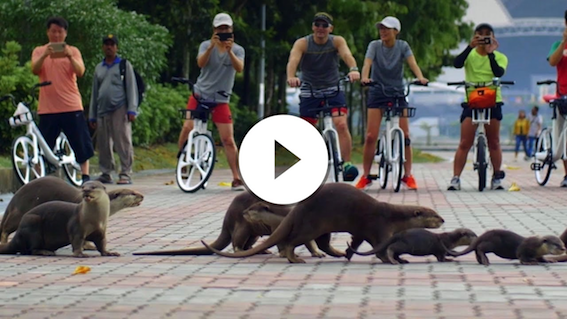
Featured YouTube: The Otters of Singapore |
|
|
|
|
|
|