|
|
Mid-South Coast Newsletter
July 2021 |
|
|
|
|
|
|
|
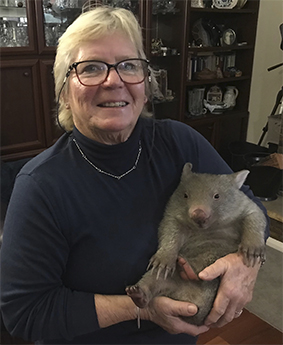
Photo: Jan Sheehan with Wilma the wombat joey by Wal Sheehan |
|
|
|
|
Jan, Branch Education Officer
Jan Sheehan has been a wildlife carer for almost 20 years. She started in the ACT, caring for birds, then possums, before moving on to larger animals. When her husband, Wal, retired 8 years ago, they moved to Dalmeny and Jan joined WIRES. Since them she has mainly cared for wallabies, wombats, flying foxes and bats. She was also our very competent branch treasurer for 5 years.
Jan likes looking after the macropods and wombats when they are small, from pinkies through to 3 or 4 kg. Although caring is a lot of work she gets a wonderful feeling of achievement from seeing them through those early stages of life. She doesn’t mind getting up at 2am to feed them and in fact enjoys the quiet time with them.
Although Jan lives on a suburban block she is lucky to have a lovely joey yard, a secure outside gazebo, a separate wildlife nursery within the house, and a very supportive husband. When the macs and the wombats get bigger they move on to other carers with more space to accommodate them.
Jan’s qualifications in business studies and health education equipped her to undertake departmental management education in the public service for some years but also make her a wonderful education officer for our branch. She enjoys talking to school and community groups and finds that although many people know little about our wildlife, they are keen to learn.
Jan believes that it is vital that animals in care have no contact with domestic pets so they have a healthy fear of dogs and cats when they are released. Also organisation, hygiene, careful monitoring and measurement are all necessary for successful caring. She thinks networking, mutual support and get-togethers are important and they are facilitating this in the southern region of the branch. Jan is also happy to run sessions for less experienced carers to impart some of her hard-won wisdom.
|
|
|
|
|
|
|
|
|
Gertie, the Greater Glider |
|
|
|
|
|
Story by Shelley Clarke
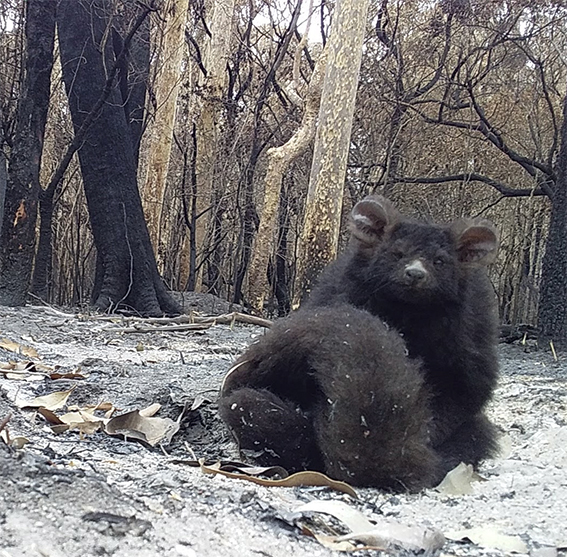
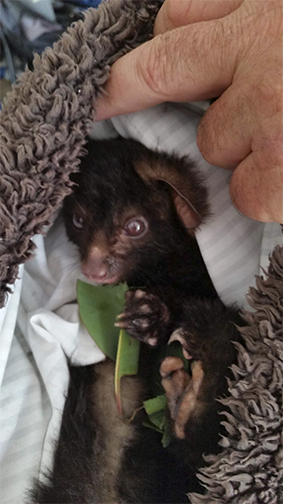
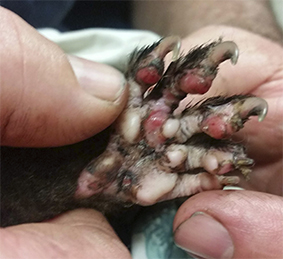
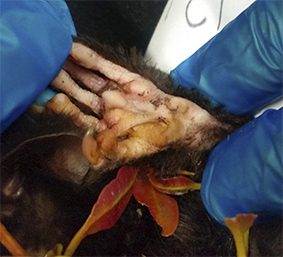
This is the story of an enchanting Greater Glider we named Gertie, in honour of the incredible person who found her sitting amongst the ash during the bushfires in December 2019 and rescued her.
Out of the horror of the Black Summer bush-fires which impacted our branch over 74 continuous days, Gertie became my symbol of |
|
|
|
|
Photo: Gertie, the Greater Glider, by George Lehman |
|
|
|
|
|
|
|
hope and is what inspired me throughout that horrific period. |
|
|
|
|
|
|
At 4.04pm on the afternoon of Friday 13 December
2019, an XMatters notification came through for: “GREATER GLIDER found in the burnt area of Bawley Point at Meroo National
Park – vulnerable species. The roads
towards the national park are closed.”
The Currowan bushfire had been burning since November
26 and was still active. Some of our northern
members had been directly impacted, and some had evacuated their homes with the
animals they had in care.
When I met the man who had called WIRES on the highway I’ll admit I was totally ignorant
and had never heard of a greater glider! Imagine my surprise
when this tall man comes walking out of the blackened landscape with an
exceptionally long fluffy black tail hanging almost to the ground. I thought
“holy dooley, what is that??” Well,
when I saw her, she was the most sad, beautiful creature I have seen, and I could
not believe she survived the fire.
After assessing her, I contacted the possum/glider coordinator
Nerida Cook, rehydrated her, and sought vet advice. We dedicated the next two weeks (under
Nerida’s mentorship) to treating her burns, rehydrating her, and trialling many
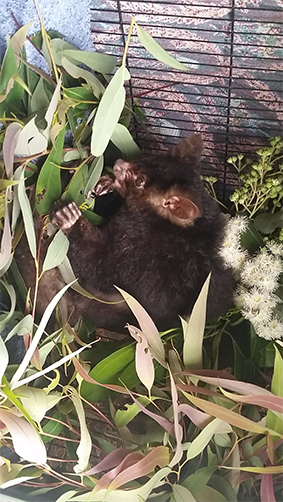
different types of local eucalyptus leaves, to get her to eat. Greater gliders are strict folivores and feed
almost exclusively on eucalyptus leaves. Gertie was a VERY fussy eater, and we
foraged daily to offer her variety of options until we discovered she could not
get enough young pink eucalyptus leaves.
A very generous contact of Nerida’s would also bring us eucalyptus
leaves and blossoms from down near Narooma. |
|
|
|
|
|
|
|
|
Gertie's burns were treated daily with diluted betadine solution, thanks to Dr Sean from Caseys Beach Vet. The burns were healed within two weeks.
|
|
|
|
|
|
|
|
|
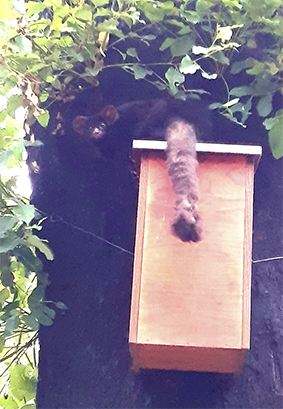
Photo: Gertie’s release by M. Jarmin |
|
|
|
|
On 29 December 2019, Gertie was transferred to Nerida, to continue her recovery and build up her strength in a
larger enclosure. This turned out to
be timely because the firestorm hit my community two days later and
obliterated her favourite pink tip eucalyptus leaves.
On 27 March 2020
after 3 months in care, Gertie was successfully released back into Meroo National Park by
a National Parks and Wildlife Ranger from Ulladulla, in the same location that she had been found in. Alan Franks at Hollow Log Homes generously donated a custom made Greater Glider nest box for Gertie’s release. |
|
|
|
|
|
|
|
|
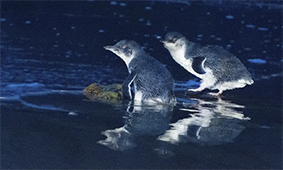
Photograph: Little penguins by Eric Woehler
|
|
|
|
|
Tasmanian Devils Wipe Out Penguins
In 2012 and 2013 28 Tasmanian devils were relocated to Maria Island, a small island east of Tasmania, in the hope of ensuring they survived despite the spread of devil facial tumours. This was despite Tasmanian government department predictions that it would negatively impact the island’s little penguins and shearwater colonies.
Now it has been discovered that all the island’s 3000 pairs of little penguins have been wiped out and the short-tailed shearwaters have been decimated.
Dr Eric Woehler, the convenor of BirdLife Tasmanian, said "The offshore islands in Bass Strait, like Maria Island, and offshore islands in Victoria and South Australia are really important for the penguins because we generally don’t see the same spectrum of threats on those islands.” Losing these penguins is a "major blow”.
Ref: Donna Lu, Tasmanian devils wipe out thousands of penguins on tiny Australian island, The Guardian, 21 June 2021.
|
|
|
|
|
|
|
|
|
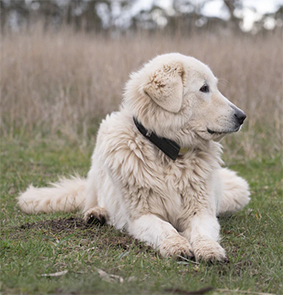
Photograph: Guard dog, Terzo, by Rhiannon Stevens
|
|
|
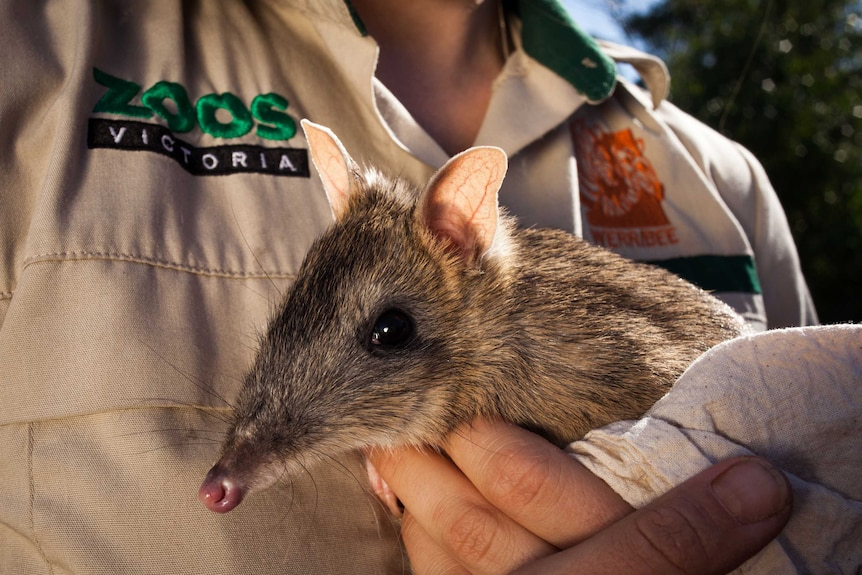
Photograph: Eastern barred bandicoot by Zoos Victoria
|
|
|
|
|
Sheep Dogs Protecting Bandicoots
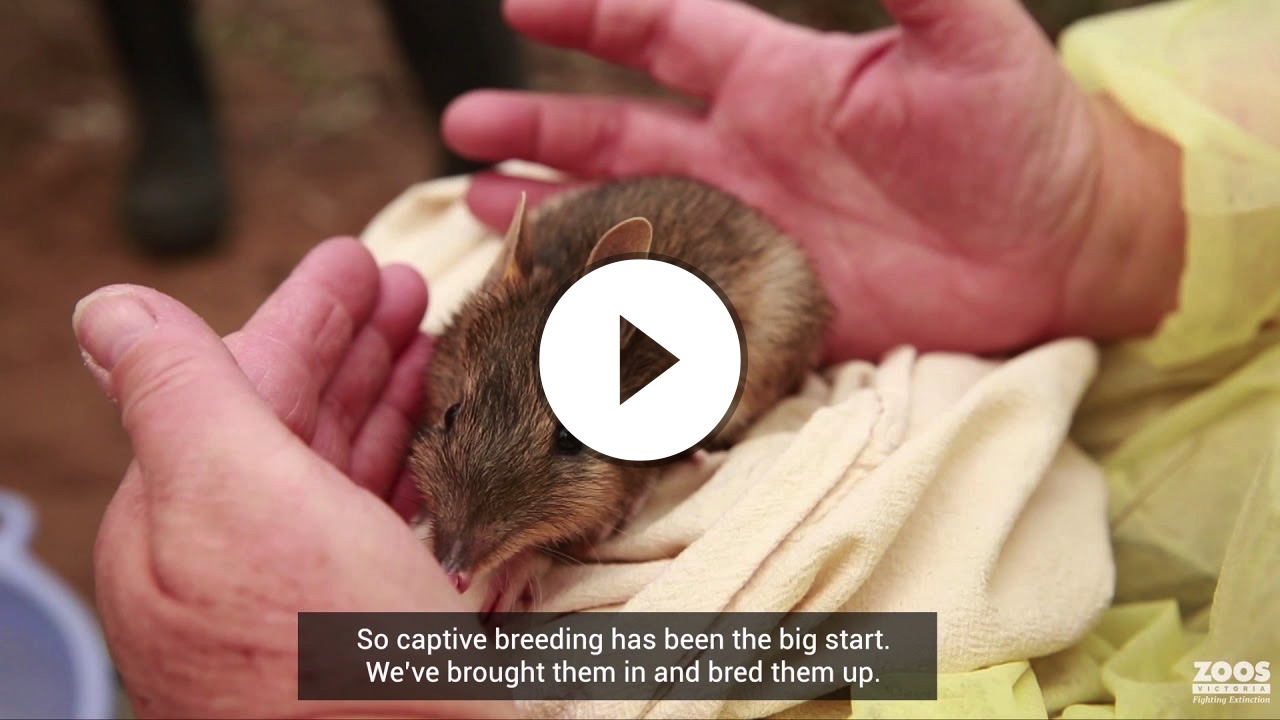
Italian sheep dogs, maremmas, have been trained to guard bandicoots from foxes in a trial in Victoria. Zoos Victoria has released 20 eastern barred bandicoots in Western Victoria, in a place they once roamed before being wiped out by foxes. In the 1990s they were considered extinct in the wild.
Instead of being protected by fences or water, it is hoped the dogs will keep the foxes away as they have done for little penguins on Middle Island near Warrnabool.
The dogs have been trained for years to live peacefully alongside the bandicoots. This is done by having a flock of sheep that the dogs happily guard with the bandicoots protected at the same time.
An earlier release of eastern barred bandicoots with two maremmas (and sheep) at Skipton near Ballarat in late 2020 has been successful to date.
Ref: Rhiannon Stevens, We may finally know how migrating birds sense Earth's magnetic field, ABC Ballarat, 22 June 2021.
|
|
 |
|
How dogs and sheep are saving bandicoots from extinction |
|
|
|
|
|
|
|
|
Photograph: Mice by Rick Rycroft
|
|
|
|
|
Deadly Mouse Poison Not Approved
The use of bromadiolone, a second generation anticoagulant poison (that causes internal bleeding), has not been approved for use on NSW farms, even though the government had already procured 10,000 litres of bromadiolone to distribute to farmers.
The regulator, the Australian Pesticides and Veterinary Medicines Authority (APVMA) declined the NSW government request for approval because of the dangers the poison posed to the environment, particularly birds and animals that would have eaten the poisoned mice.
The poison is, however, readily available to the public for use in and around buildings. Birdlife Australia is campaigning to stop second generation anticoagulants from being sold to the pubic because of their impact on wildlife.
The poison that has been approved for use on farms is zinc phosphide, which can also harm wildlife and has resulted in bird deaths. However, it doesn’t last as long in the environment.
As noted in the last newsletter, zinc phosphide can cause a toxic gas to form in an animal’s stomach and pose a risk to anyone conducting a post mortem on poisoned wildlife.
Ref: Graham Readfearn, NSW plan to use ‘napalm’ poison to control mouse plague rejected over fears for wildlife, The Guardian, 23 June 2021.
|
|
|
|
|
|
|
|
|
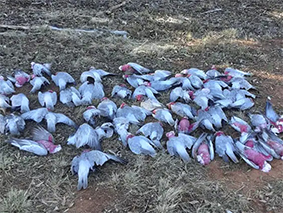
Galahs believed to have died after eating mouse baits. Photograph by Kelly Lacey.
|
|
|
|
|
Mouse Baits Killing Birds
The use of mouse baits has already resulted in many bird deaths in western NSW according to the NSW Environmental Protection Authority (EPA).
Kelly Lacey, a WIRES bird coordinator in the Central West found a flock of over 100 dead galas in Parkes at a cemetery where they lived. “The scenes this morning finally broke me. I have been caring for (what I suspect as) poisoned Galahs for quite a while now,” Ms Lacey wrote.
Ms Lacey believes mouse poison caused the birds to bleed internally (indicating it was probably bromadiolone). Whatever they ingested was, she said, “more potent than I have experienced”.
Ref: Ally Foster, Mice plague baits killing Australian wildlife, with dozens of birds dead, News.com.au, 4 June 2021.
|
|
|
|
|
|
|
|
|
|
How Birds Sense Magnetic Field
Past studies have revealed that some migrating birds use the Earth’s magnetic fields, as well as visual and other cues, to navigate. Scientists now believe it is a molecule in their eyes, cryptochrome 4, which allows them to do this.
"The process may result in the animals seeing darker or lighter areas in their vision when they look in the direction of magnetic field lines, says Henrik Mouritsen at the University of Oldenburg in Germany.
Their research is based on laboratory studies of the molecule because of the difficulty of studying the molecule when it is in the eyes of living birds. They found that the same molecule in non-migrating birds is slightly different and less affected by magnetism.
Ref: Clare Wilson, We may finally know how migrating birds sense Earth's magnetic field, New Scientist, 23 June 2021.
|
|
|
|
|
|
|
|
|
Photograph: Lynn Bystrom/Getty Images/iStockphoto
|
|
|
|
|
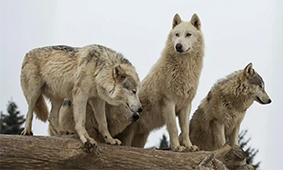
Idaho to Kill Most of its Wolves
When wolves were reintroduced to Yellowstone Park “everything changed for the better. Elk stopped standing around like feedlot cattle. They learned to run like the wind again. Streamside willows and other riparian vegetation, previously trampled by the elk, returned as well, and with it, a chorus of birds. All because of wolves.”
New laws in the US state of Idaho will allow hunters to use helicopters, snowmobiles and various other means to kill about 90% of Idaho's wolves, reducing the population to about 150 from 1500. Wildlife managers claim that wolves kill less than 3% of cattle and sheep, and elk populations are increasing despite the presence of wolves. However wolves have been demonised in American culture.
In November 2020 the Trump administration removed the gray wolf from the endangered species list despite very low numbers remaining in many states.
Ref: Kim Heacox, Idaho is going to kill 90% of the state’s wolves. That’s a tragedy – and bad policy, The Guardian, 12 May 2021.
|
|
|
|
|
|
|
|
|
Photograph: Swift Parrot by
Leigh Peterse
|
|
|
|
|
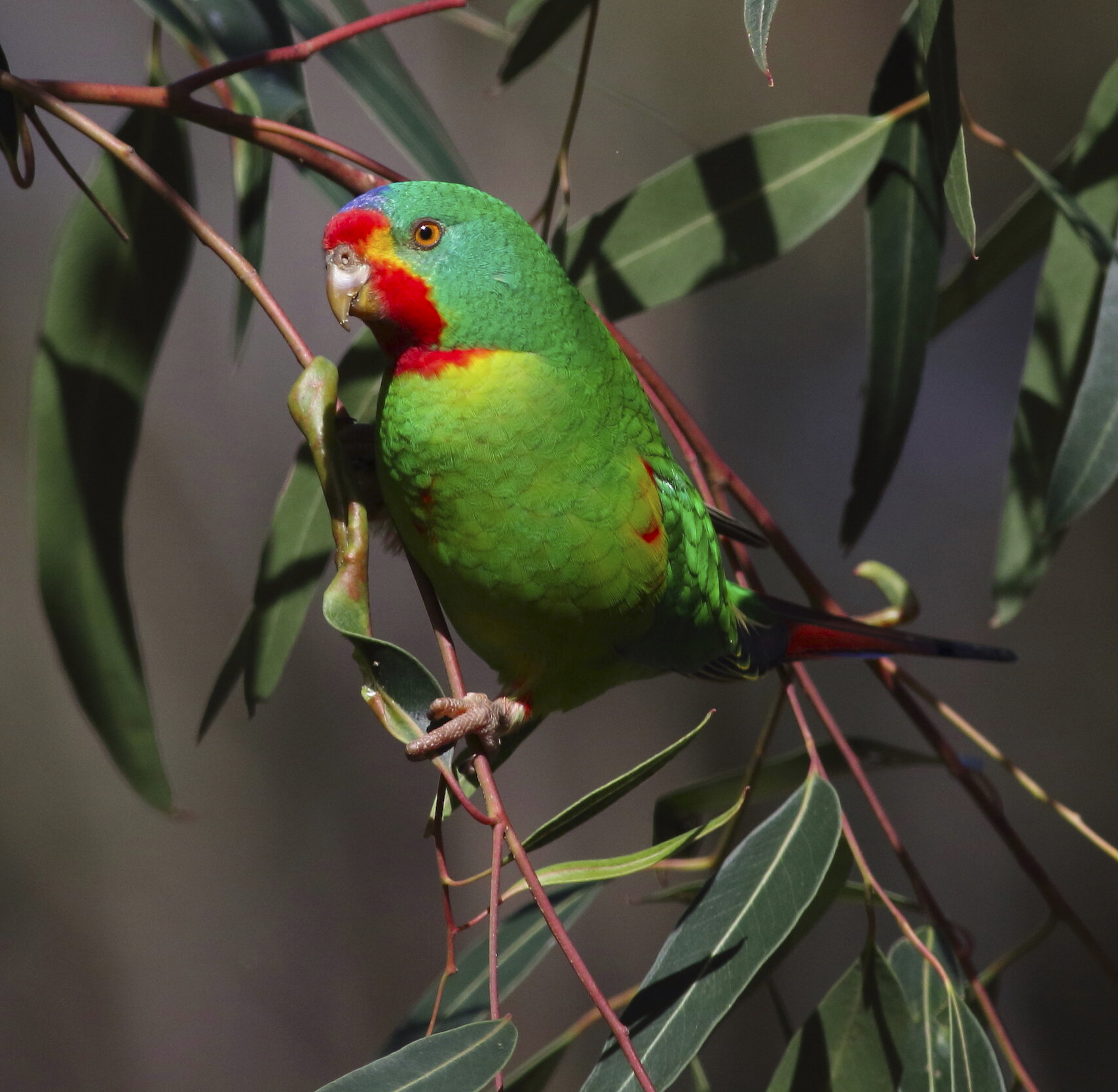
Petition to Protect Swift Parrots
"The current Parliamentary inquiry into the future of the timber industry in New South Wales has now closed but it's not to late to call or email your NSW State MPs to urge them to oppose logging in our Swift Parrots’ forest homes.
Right now incredible Swift Parrots are busy feeding on flowering eucalypts across South Eastern mainland Australia.
Having migrated from Tasmania where they breed, flocks of 60 or more have been sighted in the ACT as they make their way to their stronghold habitats in the south coast forests of NSW.
Unfortunately, the safety of these crucial areas is uncertain while logging of native forests continues in NSW.”
|
|
|
|
|
|
|
|
|
|
Possible Side Effects of Bravecto
Bravecto is being used to prevent ticks in macropod joeys in areas where babesia (a tick borne disease) is present. However, the US Food and Drug Administration (FDA) has warned pet owners and vets that, although this class of treatment (isoxazoline) is considered safe and effective for pets, it has been “associated with neurologic adverse reactions, including muscle tremors, ataxia, and seizures in some dogs and cats”. Nexgard and Revolution Plus are also in this class of treatment.
According to the US-based Animal Care Center, since 2018 Bravecto is suspected to have caused over 2000 pet deaths and over 8500 pet illnesses. However it is unclear whether the products had been used according to the instructions on the label.
The Australian Pesticides and Veterinary Medicines Authority (APVMA), which has registered Bravecto for use in Australia, has not raised concerns about it.
Ref: Fact Sheet for Pet Owners and Veterinarians about Potential Adverse Events Associated with Isoxazoline Flea and Tick Products, US Food and Drug Administration (FDA), 31 July 2020.
|
|
|
|
|
|
|
|
|
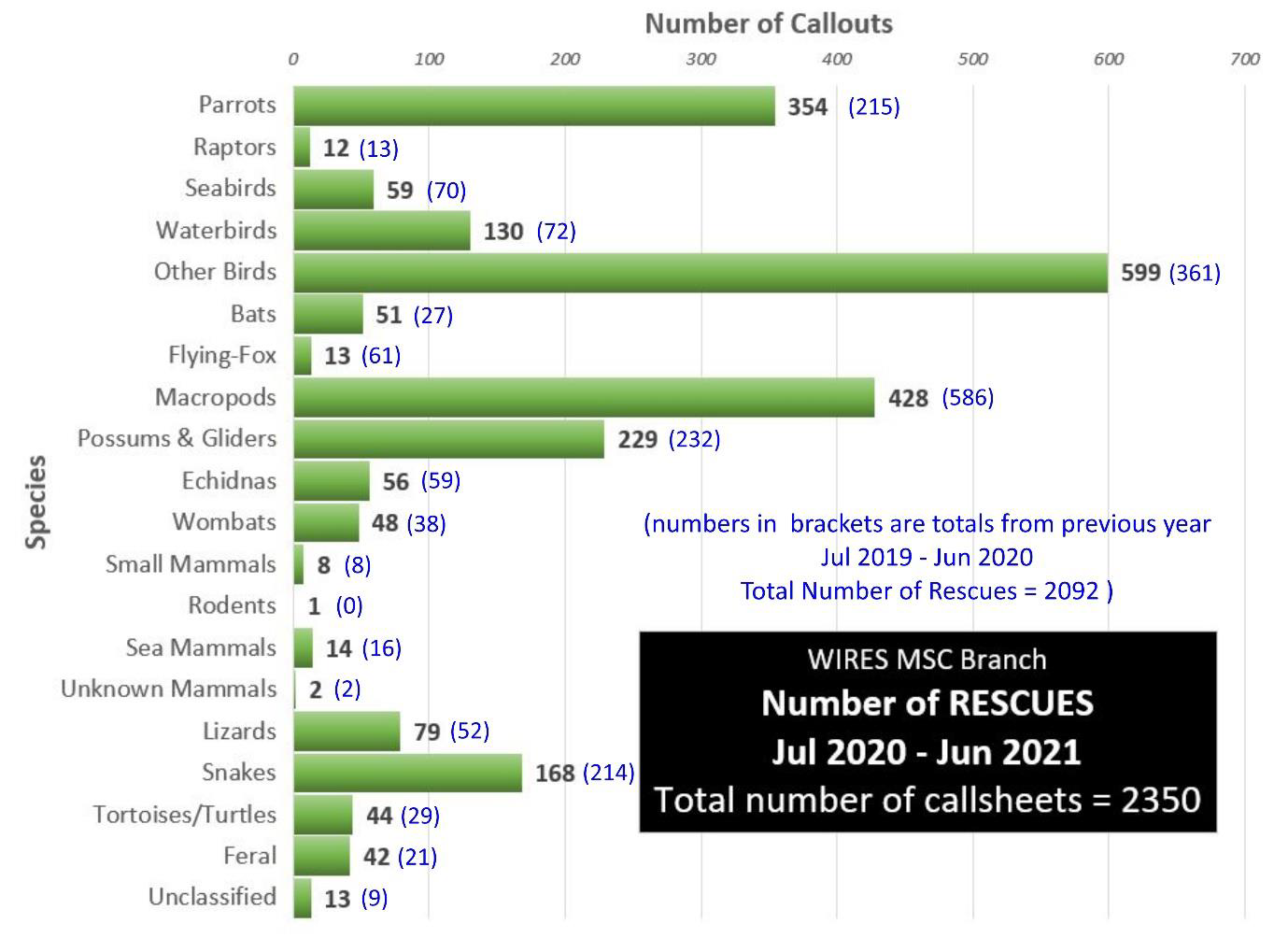
WIRES MSC Statistics for 2020/21 |
|
|
|
|
|
|
Some Pics from WIRES Mid-South Coast
|
|
|
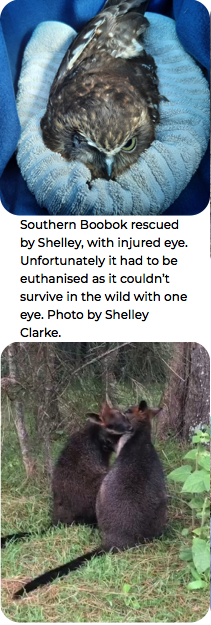
Sammy, the red-necked wallaby joey at Zora's for pre-release. He had a rough time when losing his mum, and ending up suffering from pneumonia. Debbie Ellis cared and nursed him during this difficult time. Clare Hamer has done an incredible job with him these last few months that’s for sure and now it’s time for the next stage. Story and photo by Zora Brown. |
|
|
|
|
Fuzz and Archie, swamp wallaby joeys, return to the back of open release pen almost daily. Care and photo by Lorna Grima. |
|
|
|
|
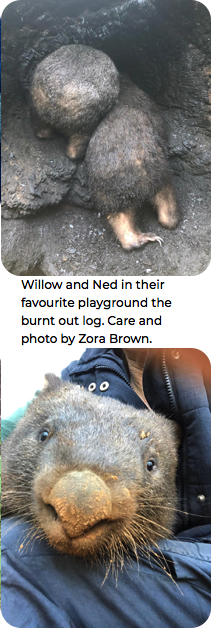
Declan, a wombat joey, has been soft released but still comes back for a cuddle. Care and photo by Zora Brown. |
|
|
|
|
|
|
|
|
At the recent branch AGM the following positions were decided:
Branch Management Committee Executive:
- Chairperson: Janelle Renes
- Vice Chair: Shelley Clarke
- Secretary: Caroline (Caz) Roberts
- Treasurer: Tony de la Fosse
- Statistics and Training Officer: Rachel McInnes
Other Positions:
- WIRES State Council Rep: Julie Mills
- Branch Purchasing Officer: Beris Jenkins
- Equipment Officer: Jenny Wills-Smith
- Newsletter Officer: Sharon Beder
- Education Officer: Jan Sheehan
- Recruitment/Membership Officer: Liz Spiller
|
|
|
|
|
|
|
The following species coordinators were appointed by the Executive:
- Macropods: Beris Jenkins
- Wombats: Tony de la Fosse
- Bats and Flying foxes: Janet Jones
- Possums & Gliders: Sandy Collins and Shane O’Keefe
- Small Mammals (including echidnas): Debbie Ellis
- Avian: Rachel McInnes and Janelle Renes
- Raptors: Sandy Collins
- Reptiles & Amphibians: Kay Mallitt
|
|
|
|
|
|
|
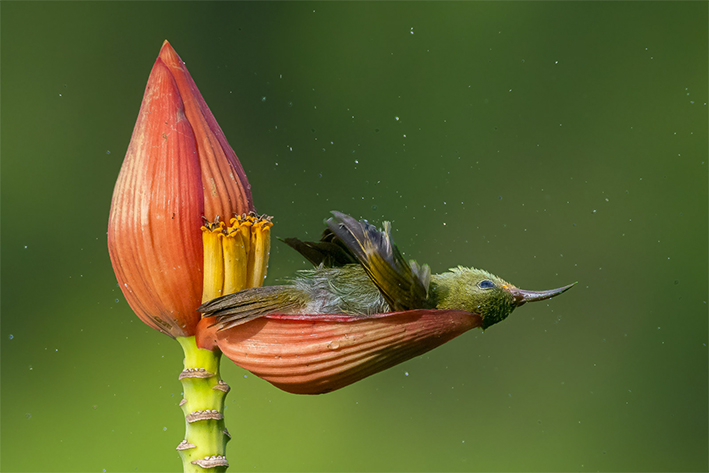
‘Floral Bath Tub’ by Mousam Ray
"In India, the autumn days are hot and humid but the nights are pleasant. In the morning, dew drops are found on the edge of grass, flowers, and sometimes water is stored in the flower petals. A Crimson Sunbird female is seen refreshing herself with the water which is stored in the petal of an ornamental banana flower. This is showing a very rare behaviour, and is as if nature creates a floral bath tub for her." |
|
|
|
|
|
|
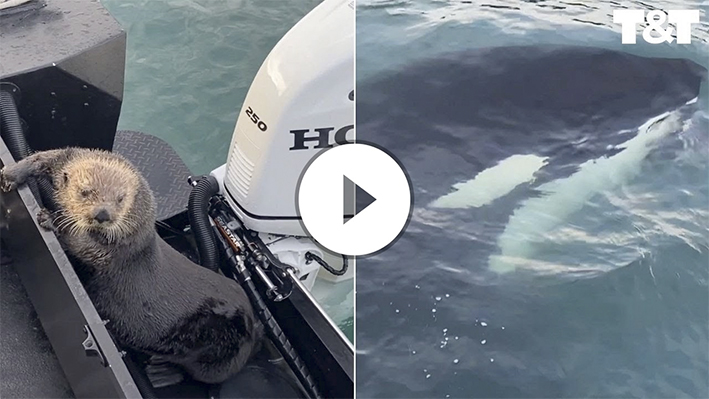
Featured YouTube: Otter Escapes Orca Whales |
|
|
|
|
|
|