|
|
Mid-South Coast Newsletter
July 2020 |
|
|
|
|
|
|
|
Photo: Rachel McInnes by Sharon Beder |
|
|
|
|
Rachel from Potato Point
Rachel McInnes is our branch training officer and one of our few and greatly appreciated shooters. She joined WIRES in 2016 after constantly seeing kangaroos on the side of the road that had been hit by cars. From the moment she extracted her first enchanting little joey from a dead kangaroo and transported it to Beris Jenkins for care, she felt she had found her calling. She was absolutely committed to being a WIRES rescuer and carer.
Rachel still feels the same way to this day. But in addition to rescuing and caring for birds and animals, she recognised the problem that our branch had in euthanising animals in situ. The police can be called to do it, but they often have other priorities and may take hours to get there. Council rangers, who once undertook the task, no longer carry rifles. So Rachel, who had held a rifle licence for target shooting in the mid-80s, decided she could apply her skills to this task as well. She embarked on the long process of getting a license for the "humane destruction of animals”.
Rachel shoots about 50 animals a year, mainly kangaroos and wallabies maimed by cars. However during the recent bushfires she had to shoot 12 kangaroos in one day. Whilst Rachel finds the task difficult, it is necessary to end the suffering of these animals. It is a huge responsibility that she takes very seriously. It involves not only having to approach panicked and often dangerous animals, shooting them in the quickest and most humane way, but also being alert to what is going on around her including spectators and traffic. |
|
|
|
|
|
|
|
|
|
Decline in Flying Foxes
Last summer populations of flying foxes were devastated as a result of heat stress and a reduction in their food supply, native flowers and fruit, due to drought and bushfire. Starving mothers could no longer carry their pups.
"Threatened species experts from the Department of Planning, Industry and Environment have estimated about 14,000 flying fox pups from the 2019/20 season died across NSW, while sustained heat-stress events (temperatures above 42 degrees are fatal to flying foxes) killed a further 54,500 flying foxes, including almost 23,000 grey-headed flying foxes, the species found in Eurobodalla.”
Flying foxes are important pollinators and seed dispersers in native forests and the grey-headed flying fox is listed as vulnerable to extinction.
Ref: Low numbers of flying foxes no surprise, Eurobodalla Shire Council, 16 June 2020.
More Info: Emergency Rescue Advice for Flying-Foxes, WIRES Website. |
|
|
|
|
|
|
|
|
|
|
Wombat Mange News
Wombat mange is a skin infection caused by a parasitic mite that burrows into the skin of the wombat causing hair loss, crusty skin, open wounds from scratching and weight loss. It is very uncomfortable for the wombat and can even lead to death. Fortunately mange can be treated with the use of Cydectin (Moxidectin).
On 15 June 2020 the Australian Pesticides and Veterinary Medicines Authority (APVMA) approved an increase in the maximum dose of Cydectin to treat wild wombats. The maximum single dose for an adult wombat is now 20 ml (up from 4 ml).
WIRES Head Office is in the process of updating its online wombat mange training course (free to WIRES members) to incorporate the new dose rates and the additional requirements.
Tony de la Fosse, the branch wombat coordinator, can answer any questions on the new permit. |
|
|
|
|
|
|
|
|
|
|
Book Review
Sharon White, Caring for Australian Wildlife, Australian Geographic, revised edition 2020, 199pp.
This informative and well illustrated book is highly recommended for all wildlife carers, but especially newer WIRES members or those seeking a quick reference on birds and animals they are less familiar with. It provides advice on rescuing, rehabilitating and releasing birds, possums and gliders, kangaroos and wallabies, bats, reptiles and frogs, as well as other small mammals, all in one easily manageable book.
Line illustrations (examples shown in the next section) are particularly helpful as are the multiple tables covering feeding (natural, in captivity and orphaned young) and growth stages. The book also covers wildlife ecology and discusses the ethics of wildlife care and includes several appendices of further information on wildlife authorities as well as products available for carers, a glossary and bibliography.
Author Sharon White is an experienced wildlife carer herself and her book, first published in 1997, has been used as a text for an accredited course on wildlife caring in Queensland.
Buy Online for $29.95 plus postage |
|
|
|
|
|
|
|
|
Illustrations: Murray Frederick |
|
|
|
|
Handling Birds
Part 1 - Small and Medium Birds
To capture a small bird throw a net or small towel over it or pick it up with your bare hands, being careful of its claws. Hold it gently in the palm of your hand with its head and legs protruding, as shown in the picture. Small birds can be transported in a shoe box or your rescue basket.
A medium-sized bird can be captured by throwing a towel over it, being careful of its beak and claws. It should be held with both hands around its body, as shown in the picture. It will need to be transported in a cardboard box or your rescue basket.
Illustrations and information: Sharon White, Caring for Australian Wildlife, Australian Geographic, revised edition 2020, p. 29. |
|
|
|
|
|
|
|
|
Photo: Superb Fairy Wren by Sharon Beder |
|
|
|
|
Preventing Birds Hitting Windows
Some tips for householders:
- Apply "an external anti-reflective film, tape or string" to windows facing gardens
- Install fibreglass screens about 13cm in front of windows to cushion the impact
- place feeders and bird baths "either close to, or far away from windows"
- have blinds or curtains visible behind the windows
- block lines of sight through the house with a door, blinds or curtains
- "At night, use low-intensity lighting and direct light from lamps away from windows.”
- Place stunned birds in a quiet, safe area, in a ventilated box, and check it after an hour. Either release it if it is alert or call WIRES
- Report bird strikes
Reference: Rachel Featherston, Striking out: window collisions a growing threat to our birds, Australian Geographic, January/February 2019, p. 17. |
|
|
|
|
|
|
|
|
Magpie Mimics Fire Engine Siren
Gregory Andrews posted this video of a magpie in Newcastle on the social media group Australian Native Birds on 26 December 2019. It was later published by the Newcastle Herald after it had gone viral.
|
|
|
|
|
|
|
|
|
Rescue Procedures
- Press “Attend” on xMatters if you are not too far away
- Contact the member of the public (MOP) to get an update of the situation, clarify details and provide an estimated time of arrival.
- After rescue report to species coordinator within 24 hours
- Update rescue call sheet on CarerHQ
- Contact the member of public to let them know the outcome.
Reference: 'Rescue Procedures', WIRES email, 8 June 2020. |
|
|
|
|
|
|
|
|
|
|
Atlas of Life
Since the summer bushfires it has become more important than ever to monitor flora and fauna in our region. The Atlas of Life in the Coastal Wilderness project allows members of the community to add images of animals, birds, plants, fungi and marine life to a map of biodiversity that reaches "from the Great Dividing Range in the west, to the coast of New South Wales south from Bateman’s Marine Park and down to the northern coastal region of Victoria around Gabo Island”.
"The aim of this project is to identify as many of the living creatures of this region as possible over the next years to help people explore and learn more about this place, and to provide an every growing rich database of biodiversity information for locals and visitors, naturalists other scientists and students… Everyone who observes and records the life of this region is encouraged to identify and log their sightings to contribute to this major work. We organise surveys of many kinds to study in depth and record the biodiversity of our place."
More info: Atlas of Life in the Coastal Wilderness |
|
|
|
|
|
|
|
|
|
|
Notices
The branch AGM scheduled for July has been postponed until further notice due to Covid-19 concerns.
The mid-south coast introductory workshop for new WIRES members that was scheduled for Saturday 25 July has been deferred due to Covid-19 concerns. New date to be advised.
Hard copies of the avian feeding guide are available from Rachel McInnes. It is a must-have for all those intending to care for birds.
Our branch has received a $4000 donation from StarTrack which will be used to fund equipment. |
|
|
|
|
|
|
|
Echidna Train
The echidna breeding season is from June to September. Normally echidnas are solitary but a part of the echidna mating ritual involves a ‘train' of hopeful males following behind a female.
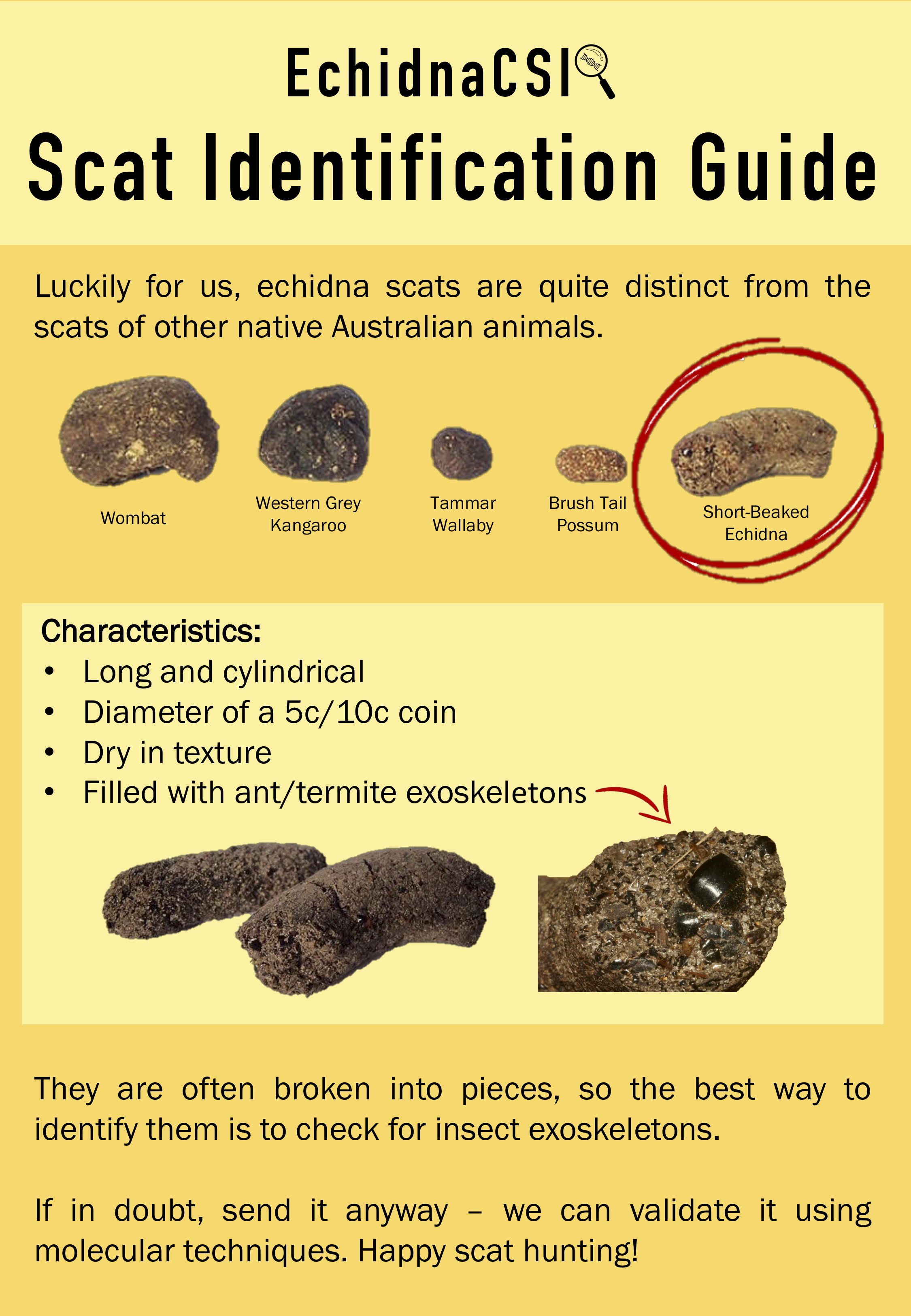
The Echidna Conservation Science Initiative is asking members of the public to take photos and videos of echidnas they come across using a mobile phone app and collect scats (faeces) so the organisation can learn more about these animals and help to conserve them.
More info: Echidna Conservation Science Initiative |
|
|
|
|
|
|
|
|
|
Featured Live Webcam
Aquarium of the Pacific features a number of live video feeds of its exhibitions that you can view on your screen. These include:
|
|
|
|
|
|
|
|
|
|