|
|
Mid-South Coast Newsletter
January 2021 |
|
|
|
|
|
|
|
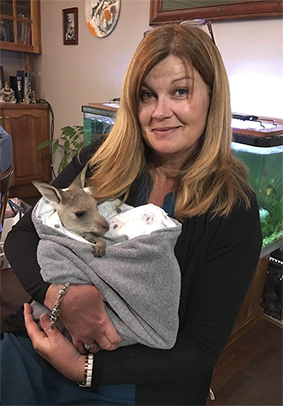
Janelle Rénes. Photo by Kiah Hudson.
|
|
|
|
|
Janelle, Our New Chairperson
Janelle Rénes is the chair of our branch and also joint bird coordinator with Rachel McInnes. Janelle is a warm and friendly person who has the ability to make everyone feel welcome and at ease. She would like to see branch volunteers active but not overwhelmed, “finding their happy place”, in their comfort zones.
Janelle has loved animals and wildlife since she grew up on a farm in Brogo. She initially joined the Illawarra WIRES group before moving to Long Beach 3½ years ago. She soon became branch secretary and has made many friends since then. She is proud of our branch and its members.
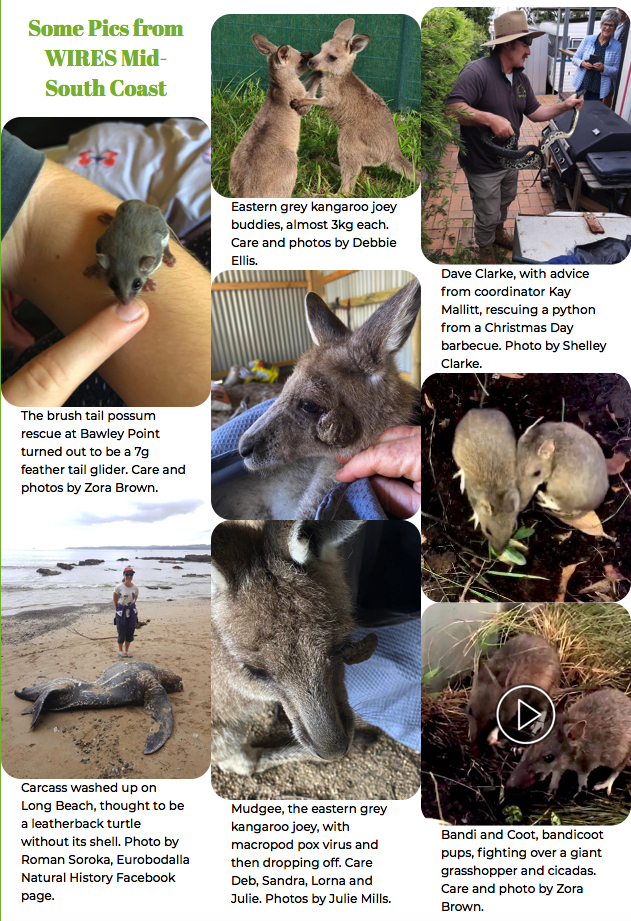
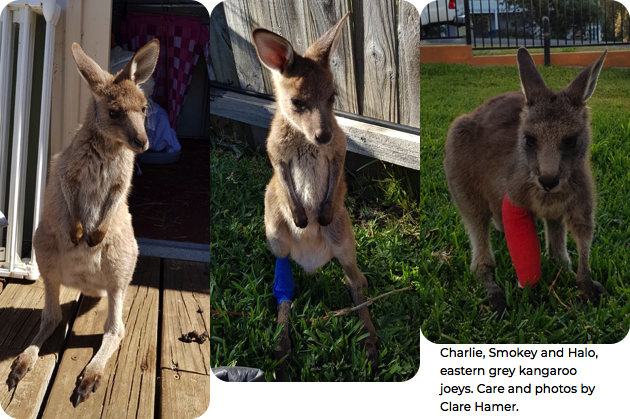
Janelle has been one of our main kangaroo joey carers, looking after them till they are about 3kg and need a larger property to move to where they can run around freely. She finds the joeys very affectionate and although it can be stressful if they get sick, there is a great deal of support and expertise within the branch. She has become more expert herself with each new joey she cares for.
Being joint bird coordinator has been a bit of a juggling act as well as a learning experience, fitting bird needs with carers and their skills, properties and equipment. It has been "wonderful working with Rachel”, Janelle says.
For her, the best part of being in WIRES is reuniting chicks with their parents, rehabilitating and releasing animals back into the wild, and being able to reassure and educate concerned members of the public. Being in WIRES is “incredibly amazing” and she feels “privileged to be able to get up close" to the various birds and animals.
|
|
|
|
|
|
|
|
|
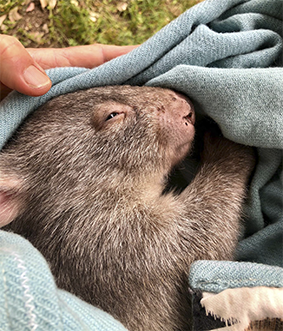
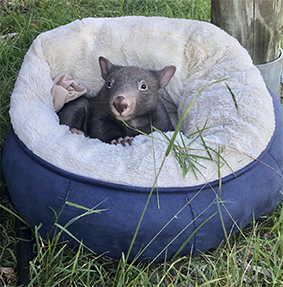
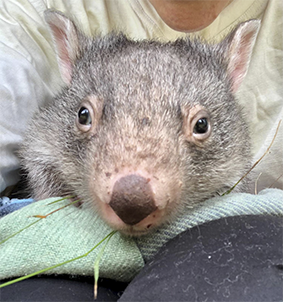
Georgia (top) and Firefly, wombat joeys. Photos by Zora Brown.
|
|
|
|
|
|
Meet Georgia
by Zora Brown
Introducing Georgia, a wombat joey found all alone in Cambewarra over the weekend. She was completely exhausted, weak and very thin, covered in ticks, scabs and sores all over her skin. We have no idea how long ago she had been without her mum, but at 7 months old she was way too young to be on her own and would not have survived.
Thankfully wonderful Milton vet Caitlin McFadden was able to check her on Sunday morning. She was given antibiotics for skin infection and began treatment for mange and other parasites just in case. She is doing well since coming into care, but will remain quarantined from all other wombats until we are on top of things. Hopefully she will be a perfect buddy for little Firefly who is going to new member Samantha. Good luck little Georgia. |
|
|
|
|
|
|
|
|
|
|
NB. Georgia gained 500 grams in her first week with Zora, indicating how dehydrated and starved she was. Two weeks later she was 900g heavier, weighing 3.6kg and ready to be buddied with Firefly. |
|
|
|
|
|
|
|
|
|
Helping Heat Stressed Wildlife
If you find an animal (not a flying-fox, a bat, a macropod, wombat or reptile) that is showing signs of heat stress but is conscious and appears otherwise uninjured please read the advice below as you may be able to help the animal.
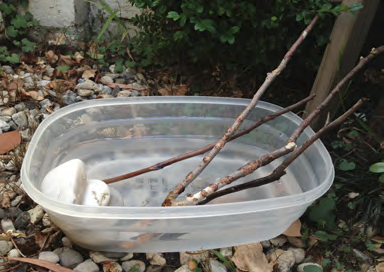
- Provide shallow containers of water around your yard, ideally in the shade, through days with extreme temperatures can really help. Remember to keep the containers clean, refresh frequently and be sure to change the water daily to deter mosquitos from breeding.
- Place sticks or a stone in the containers to allow smaller animals that fall in, a way out.
- It is important to NEVER APPROACH a macropod that is lying down. They are likely to jump up, which will exhaust them even more if they are heat-stressed.
- You can also place some containers around the perimeter of your property on the fence line to provide water for reptiles. This has the added advantage of deterring reptiles from approaching houses to access water from taps and other sources closer to your house.
- Keep your cats and dogs indoors as wildlife may be extra vulnerable to predators while in a weakened state
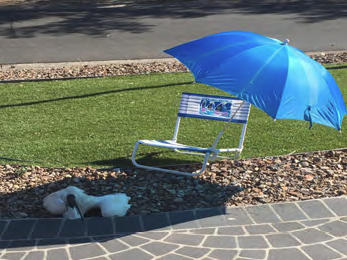
- Provide shade with a garden umbrella or other cover over distressed animals
- Gently mist distressed animals with a very light spray of water or place a sprinkler nearby
- If you have found an animal in distress you can offer it a shallow dish of water to drink from. If it is too weak you can use an eyedropper to gently put a few drops on its lips or beak. Squirting water can choke animals.
Ref: Helping Heat Stressed Wildlife, WIRES, 2020. |
|
|
|
|
|
|
|
|
|
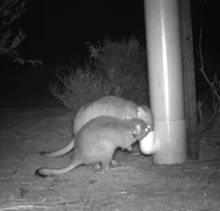
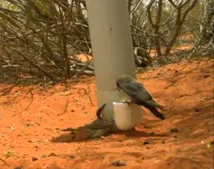
Giving Animals Drinking Water
If an animal is thirsty, members of the public should not try to give it water from a bottle, but rather allow it to lap water itself. Poured water can go into their lungs and possibly lead to fatal aspiration pneumonia.
"Water should be stationed at ground level, in a shaded location safe from predators, and in trees for birds and tree-dwelling species like possums, gliders and koalas. Check out DIY guides for building drinking fountains, or “watering pods”, for wildlife."
Ref: Marissa Parrots et al., How you can help – not harm – wild animals recovering from bushfires, The Conversation, 20 February 2020. |
|
|
|
|
|
|
|
|
|
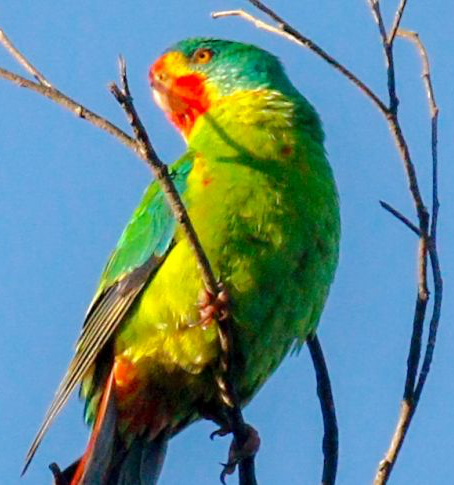
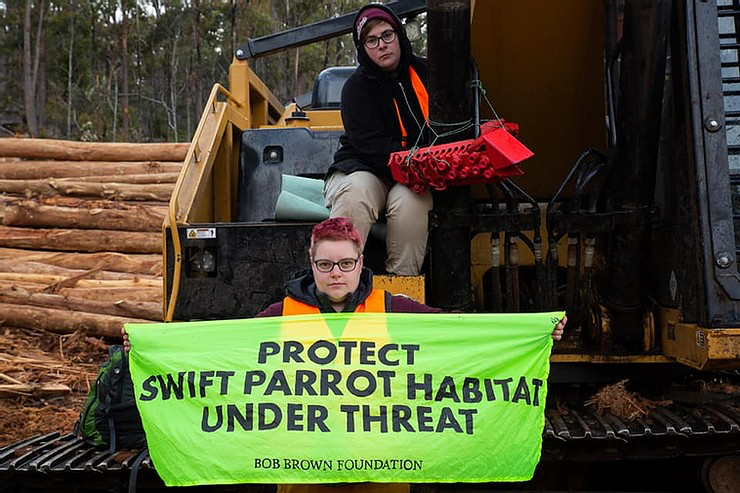
Mogo Logging and Swift Parrots
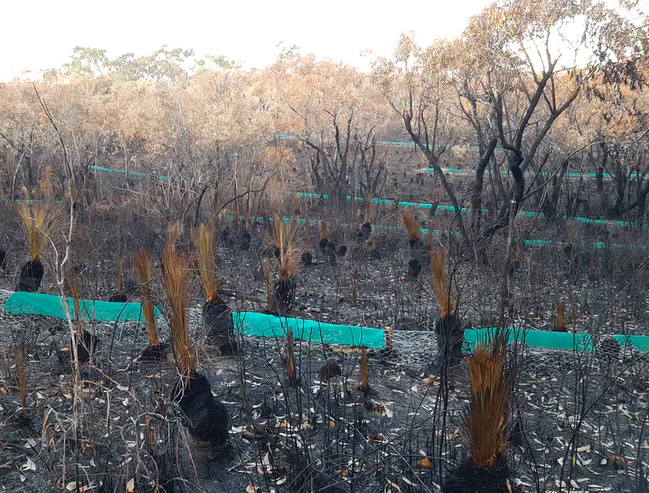
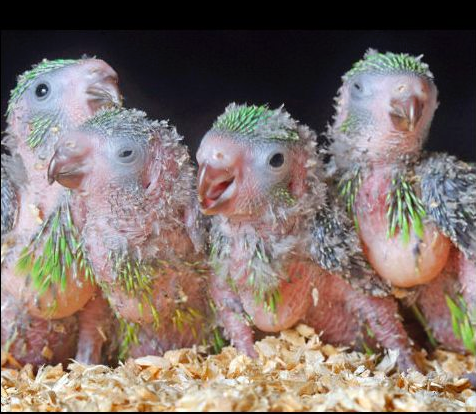
There have been protests against logging in Mogo State Forest, which provides food and habitat for the critically endangered swift parrots.
There are as few as 300 swift parrots left in the wild. They are considered to be the fastest parrot on earth. The protest was organised by various conservation groups including South East Forest Rescue, Forest Defence NSW and Friends of the Forest Mogo.
""It is unacceptable that logging would continue in key habitat areas of the Swift Parrot”, said Miranda Gibson, spokesperson for Forest Defence NSW. "Surrounding forests were burnt in last summer's fires. Now Forestry Corporation is allowing remaining wildlife refuge areas to be destroyed. We have time to save this species if we act now to protect habitat, otherwise, we risk another extinction".
Ref: NSW and Tasmanian Swift Parrot habitat logging halted by protests, Media Release, Bob Brown Foundation, 7 December 2020.
|
|
|
|
|
|
|
|
|
Photo: Friends of Glebe Wetlands
|
|
|
|
|
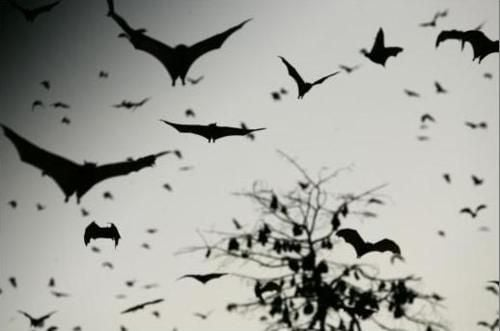
Flying Foxes Move to Bega
Grey-headed flying foxes are camping in Bega in large numbers following last summer's bush fires. Citizen science group Friends of Glebe Wetlands has counted 43000 flying foxes in the Glebe Wetlands and 18000 at the Pambula camp.
This is by far the largest number since counting began 8 years ago. At the same time there are only about 700 flying foxes at the Batemans Bay camp.
The bushfires created a food desert so the flying foxes have come to the relatively unscathed Bega Valley. According to Hugh Pitty, coodinator of the group, the high concentrations of flying foxes are of concern because they are more vulnerable closer to urban areas and more susceptible to food shortages.
Ref: interview on the Breakfast program, ABC SouthEastNSW Radio, 24 December 2020 at 37.11.
|
|
|
|
|
|
|
|
|
|
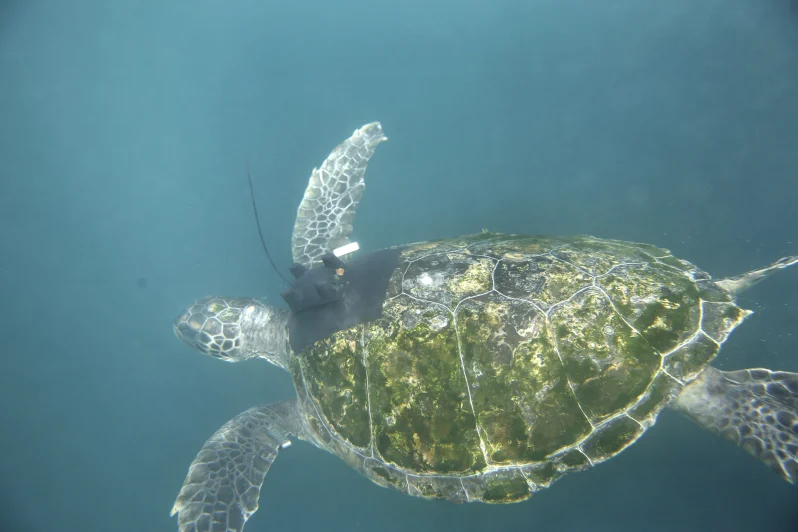
Endangered Green Turtles
Four juvenile green turtles have been released back into the ocean after being rescued in waters near Ulladulla, Forster and Wanda Beach. Each had injuries or was malnourished. They were treated for some months at Taronga Zoo before release.
Six of the world’s seven marine turtles live in Australia’s coastal waters. However they are endangered because of damage done by fishing equipment, pollution, sea-level rise and plastic bag ingestion.
"The turtles were fitted with satellite trackers to monitor their migratory movements and provide the zoo with information about their habitat use."
Ref: Nell O’Grady, Taronga releases endangered turtles back into the ocean, Sydney Morning Herald, 30 December 2020.
|
|
|
|
|
|
|
|
|
|
Biscuits for Endangered Possums
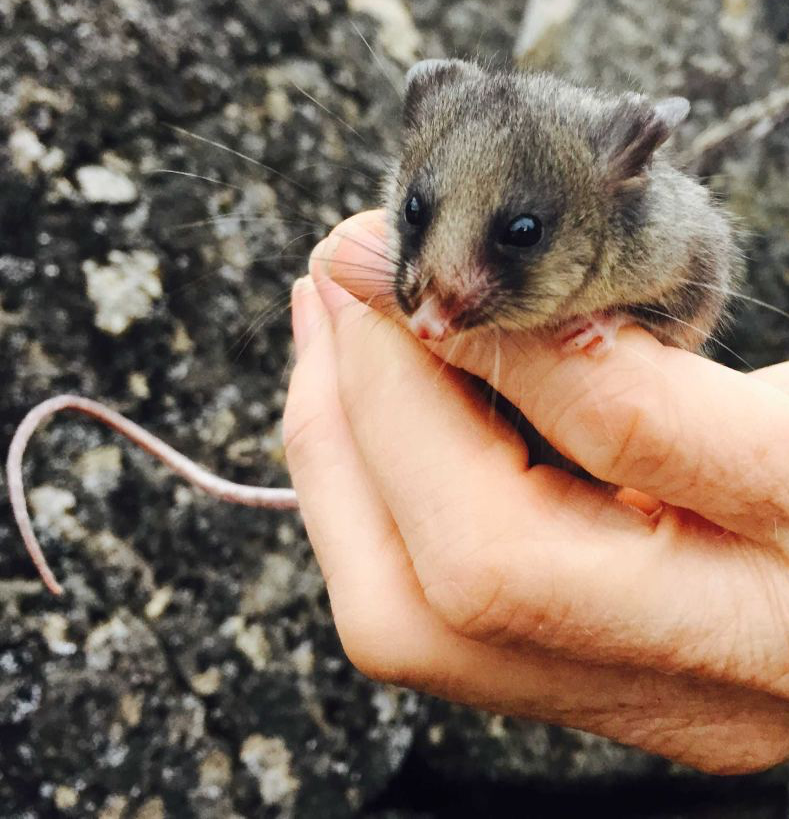
School students in the Snowy Mountains region are making biscuits as a food source for the endangered mountain pygmy-possums in Kosciusko National Park. Last summer’s bush fires wiped out much of the possums’ natural food source.
"Mountain pygmy-possums are the only Australian marsupial that hibernates every winter under snow, making it essential they build fat reserves before their long winter sleep. The main food source during their spring/summer breeding season is the migratory bogong moth.” As they come out of hibernation, the biscuits will supplement their diet as well as that of native bush rats and dusky antechinus.
The bogong biscuits are made with a recipe developed by Zoos Victoria and the University of Melbourne combining "macadamia nuts, mealworms, oils, minerals and water and contain the same energy content as the bogong moth, which have been declining in the region.
Ref: Genevieve Jacobs, Students’ bogong biscuits are a sweet treat for endangered mountain pygmy possums, RiotACT!, 3 January 2021;
Keira Proust, Endangered pygmy possums devastated by bushfires thriving off baked goods made by students, ABC News, 8 January 2021.
|
|
|
|
|
|
|
|
|
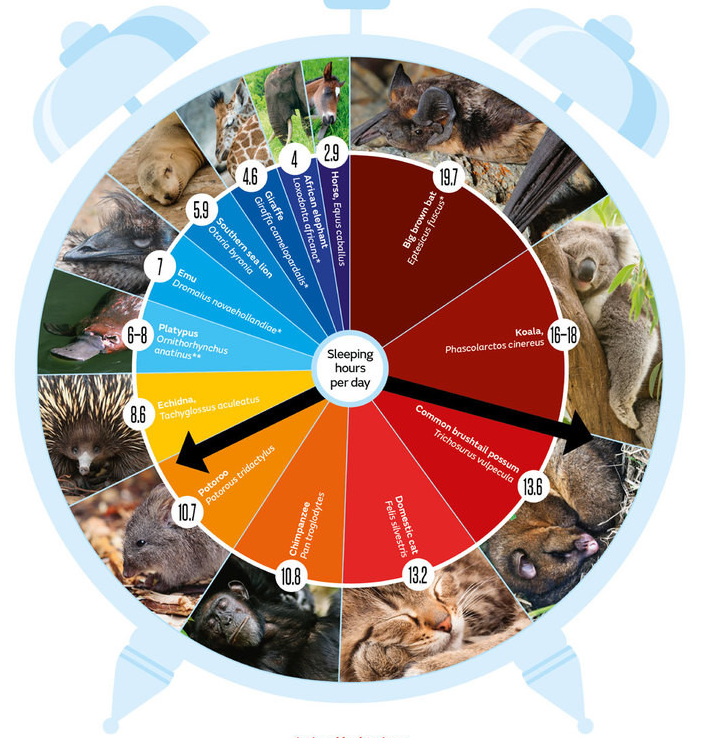
Source: Sleeping Beauties, Australian Geographic, November/December, 2016, p. 20 by Katherine McKinnon.
|
|
|
|
|
|
|
|
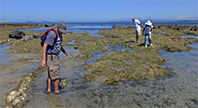
Rock Shelf Walk, Congo
When: Wednesday 14 January at 2.30pm
Where: Meet at Congo camp ground
Cost: Free for members, bookings required. Membership of the Nature Coast Marine Group is $15 per family, which also covers other excursions during the year.
Be prepared for rock hopping, wear solid shoes and sun protection.
More info: Jenny, 0492 176 148
|
|
|
|
|
|
|
|
|
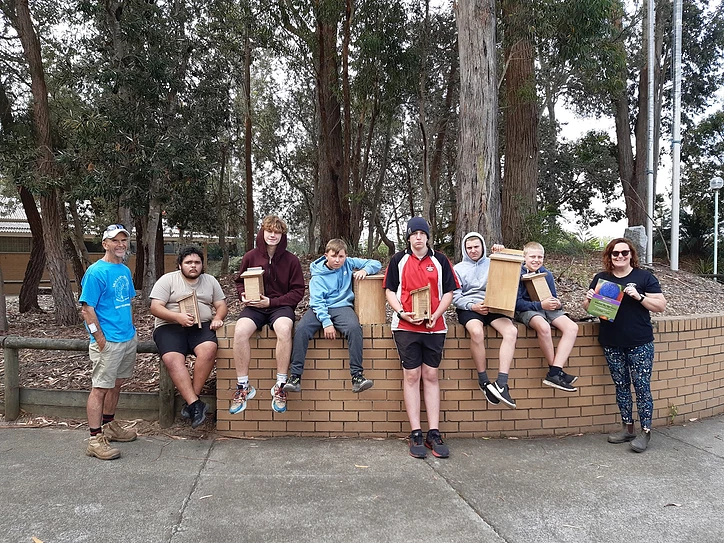
Thank you Batemans Bay High School
Batemans Bay High School teachers and students have built boxes for brushtail possums, feathertail and sugar gliders with funding from WIRES. They are now building bat boxes.
|
|
|
|
|
Teacher Ben Love with students Bowen, Jack, Dylan, Seth, Brendan, Ryder and artisan Belinda O’Keeffe. Photo and story: The Beagle Weekly
|
|
|
|
|
|
|
|
|