|
|
Mid-South Coast Newsletter
February 2023 |
|
|
|
|
|
|
|
|
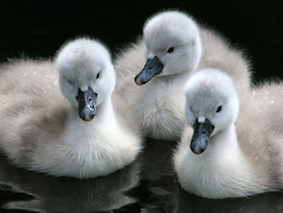
A Fluffy Rescue
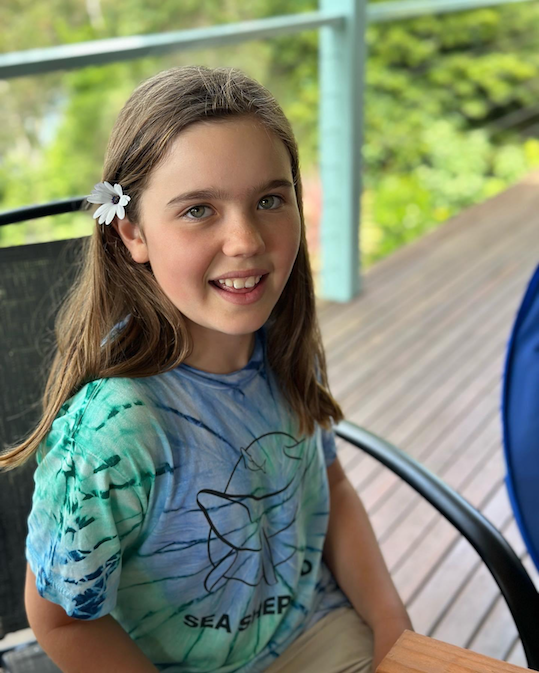
by Harlow Cooper (Renate’s granddaughter)
It all happened one morning when Beris asked us if we could come down to Kianga Dog Beach to help relocate three swan cygnets.
It didn’t take us long to find the three fluffy chicks huddled altogether in the rocks. Together we surrounded them so they couldn’t escape and then after a little while we finally caught one. I got passed the baby swan to hold so it couldn’t get away while we tried to catch the other two. The chick was warm and cuddly and it felt like the fur of a fluffy Labradoodle dog. It was about the size of a chicken but with a long neck. It had soft webbed feet and it was very relaxed in my arms.
After we got them all into a crate we relocated them to a lagoon across the road. It was so rewarding when we released them into the water and they swam away towards what we thought was their mother, flapping her wings further down.
If it wasn’t for the WIRES volunteers and the member of the public who called in the rescue, these three cygnet swans probably would not have survived. But not to forget the awesome job that all the other WIRES volunteers do to help our native wildlife.
|
|
|
|
|
|
|
|
|
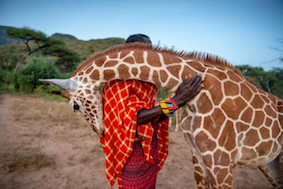
Photo: Rehabilitated and released giraffe greeting former carer by Ami Vitale. |
|
|
|
|
Returning Giraffes
Every morning, giraffes that have been rehabilitated and released by Lekupania come back to visit him before returning to the wild. Lekupania is one of the best wildlife keepers in Kenya and he has rehabilitated many species, including warthogs and zebras, without losing any of them. He works in the Namunyak Wildlife Conservancy in the far north of Kenya.
Ref: Graeme Green, Fupi the orphaned giraffe returns to his whisperer, The Guardian, 12 January 2023.
|
|
|
|
|
|
|
|
|
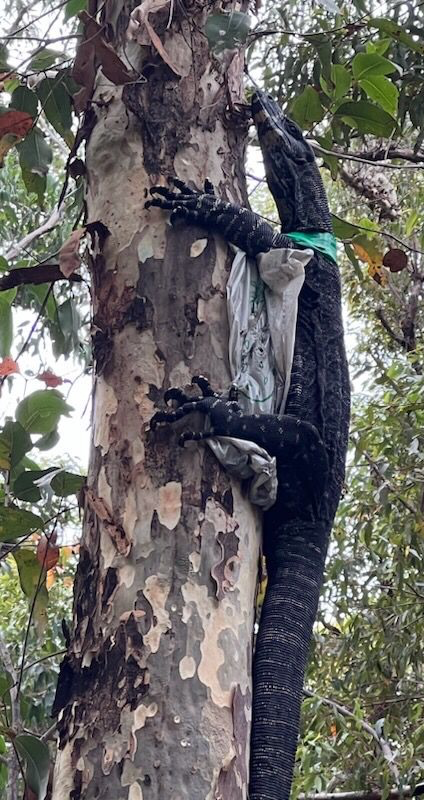
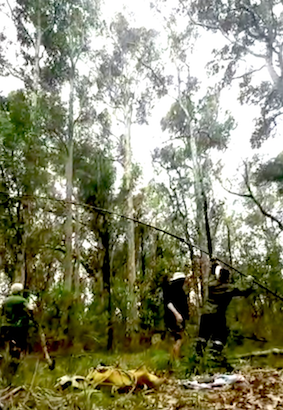
Juvenile lace monitor (body approx. 60cm) at Meroo campgrounds with plastic bag caught around its neck. Photo by Kay Mallitt. |
|
|
|
|
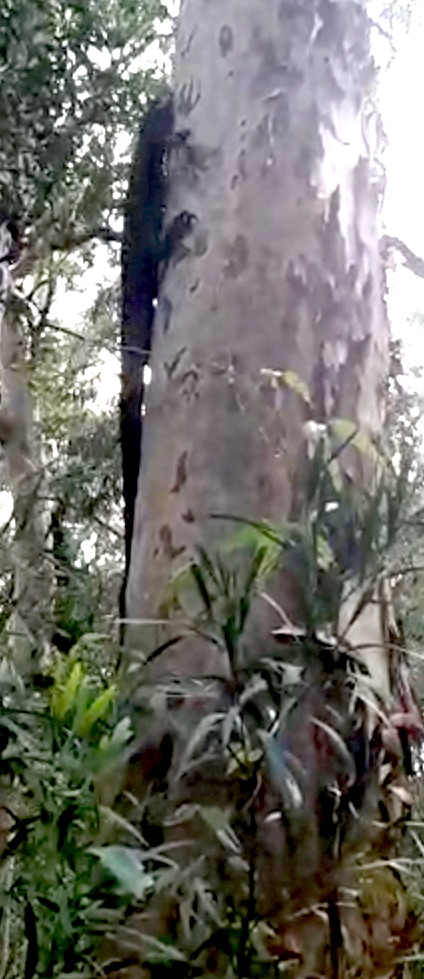
Dave Clarke uses a long pole to get the goanna down from high in the tree. Screenshot from video by Shelley Clarke. |
|
|
|
|
Free at last. Screenshot from video. |
|
|
|
|
|
|
|
|
|
The Impact of Global Warming
The young of cold-blooded animals (ectotherms —fish, reptiles, amphibians and insects) are suffering badly from global warming. During heat waves their body temperatures can get fatally hot and they are less able to cope than their parents because they are less able to move to cooler places. For example they might be inside eggs or too small to move far.
"Overall, we found the heat tolerance of embryos and juvenile ectotherms increased very little in response to rising temperatures. For each degree of warming, the heat tolerance of young ectotherms only increased by an average 0.13℃.”
Another CSIRO study found that Australian birds were three times more likely to die from the heat during a hot summer than a mild summer. At two sites in semi-arid parts of NSW with 30 days above 38 degrees only 59% of birds survived compared with 86% survival when there were no days over 38 degrees. Global warming will ensure more days above 38 degrees each summer.
Refs: Patrice Pottier, Young cold-blooded animals are suffering the most as Earth heats up, research finds, The Conversation, 20 September 2022; Janet Gardner and Suzanne Prober, ‘Sad and distressing’: massive numbers of bird deaths in Australian heatwaves reveal a profound loss is looming, The Conversation, 29 September 2022.
|
|
|
|
|
|
|
|
|
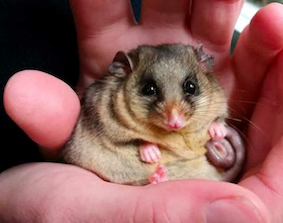
Photo: Mountain Pygmy Possum by Zoos Victoria. |
|
|
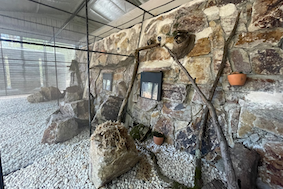
The Lithgow enclosure has been designed to mimic the possums rocky burrows on the alps. Photo by Hugh Hogan. |
|
|
|
|
Mountain Pygmy Possums
The mountain pygmy possum is the only hibernating mammal in Australia and it is only found at the tops of the Snowy Mountains. It weighs less than 100g and spends several months sleeping in burrows beneath the snow. During a drought its population numbers drop from 3000 adults to less than 2000.
The mountain pygmy possum is under threat from global warming and the consequent reduced snow cover, increased bushfires and reductions in a major food source, the Bogong moth.
In an effort to give these tiny creatures a chance, a special enclosure has been built for them at Lithgow, funded by donations from the Prague Zoo during the black summer bushfires. It is located at an elevation of 1000m above sea level and is made of solid stone with underground built-in nest boxes.
Scientists are hoping this breeding facility will not only provide a backup population but also one better adapted to warmer temperatures in Lithgow so they can survive outside the alpine environment.
Ref: Hugh Hogan, Mountain pygmy possums find new home amid climate change fears, ABC News, 10 October 2022.
|
|
|
|
|
|
|
|
|
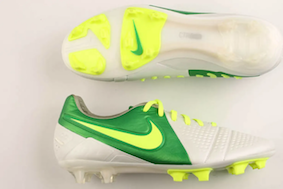
Major brands such as Nike use kangaroo leather for their soccer shoes. Photo by Helen Nezdropa. |
|
|
|
|
Bans on Kangaroo Parts
Legislation has been introduced into the state of Oregon, USA, that would ban the sale of products using kangaroo parts, such as football boots that are often made using kangaroo leather.
Similar legislation was enacted in California in the 1970s but has failed to pass at the federal government level. The kangaroos killed for these products have been legally killed in Australia,
Nike has said that it uses kangaroo leather in a “small portion” of its soccer shoes and that it “works with leather suppliers that source animal skins from processors that use sound animal husbandry and humane treatment, whether farmed, domesticated, or wild managed.”
Ref: Associated Press, The end of soccer roos? US state moves to ban the sale of kangaroo parts, Sydney Morning Herald, 24 January 2023.
|
|
|
|
|
|
|
|
|
Wheelie Bin Wars
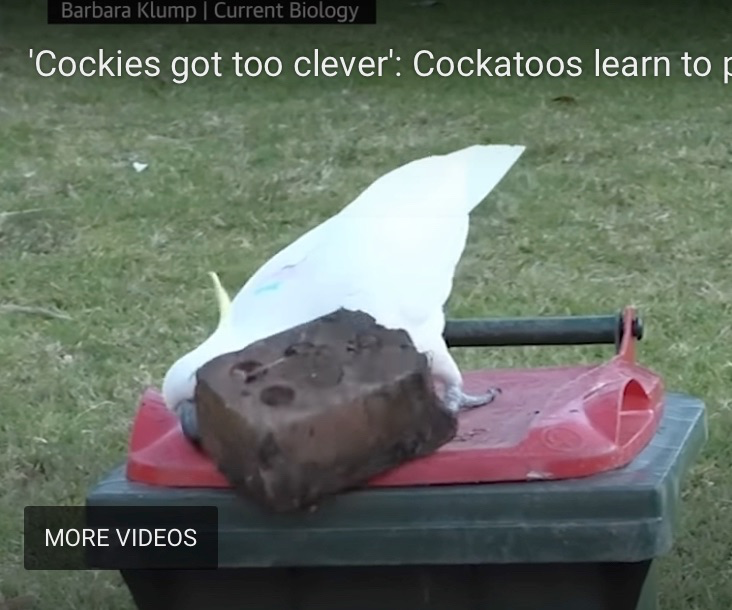
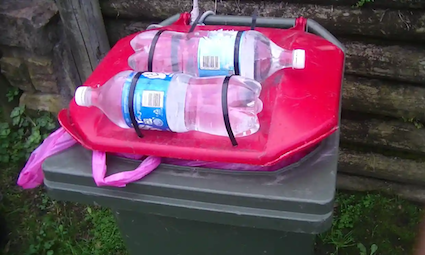
People are having to devise increasingly ingenious ways to defeat clever cockatoos from raiding their wheelie bins.
Researchers have found that cockatoos are learning bin-opening skills from each other. They can push bricks off the lids of the bins and use their beaks to prise the lids open. |
|
|
|
|
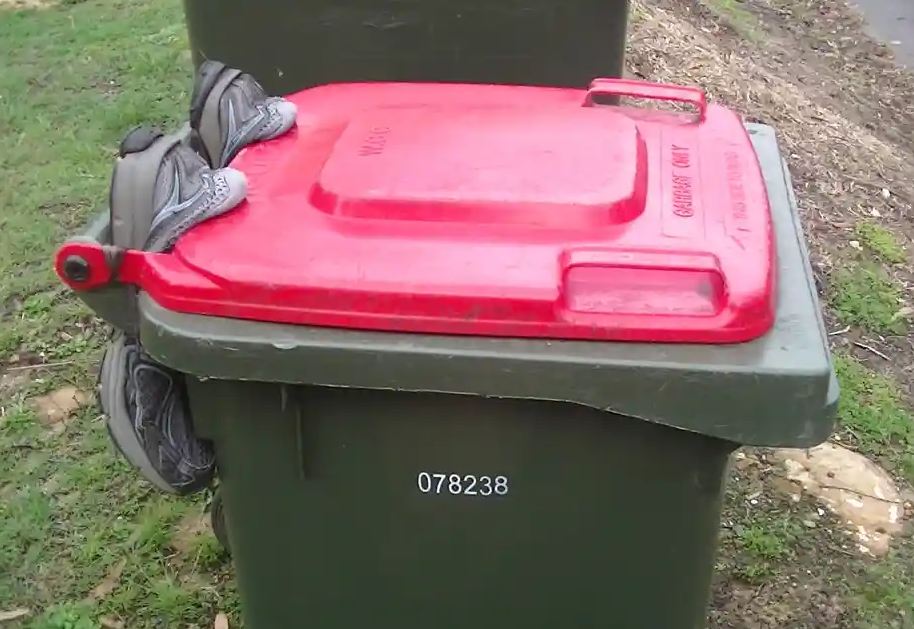
Running shoes wedged into the hinge of the bin lid are stiff enough to stop cockatoos, but bendy enough that the waste inside can be emptied by a rubbish truck. Photograph: Barbara Klump/Current Biology |
|
|
Another successful anti-cockatoo measure: full water bottles zip-tied to the top of the bin lids.Photograph: Barbara Klump/Current Biology |
|
|
|
|
|
|
|
|
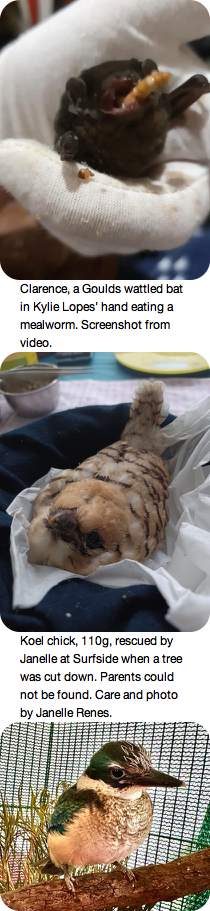
Toto, sacred kingfisher, ready for release. Care and photo by Renate Cooper. |
|
|
Release time for Dagmar’s ducks. Care and photo by Dagmar Voges. |
|
|
|
|
Some Pics from WIRES Mid-South Coast |
|
|
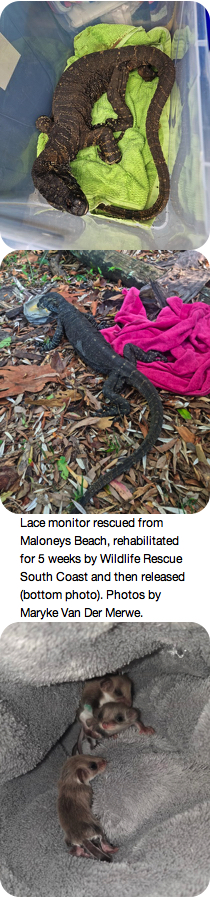
Three feathertail glider joeys rescued over 2 days from a Guerrilla Bay holiday house, nest not found. Photo by Shelley Clarke. |
|
|
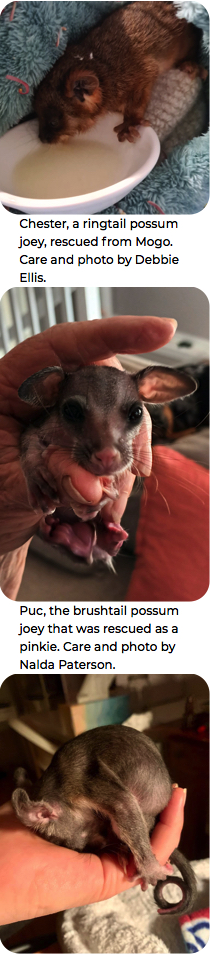
Milk Coma. Puc at 125g and in care of Sasha. Photo by Sasha Ermichina. |
|
|
|
|
Male swamp wallaby joeys, Scotty and Ash (eating), before release. Care and photo by Beris Jenkins. |
|
|
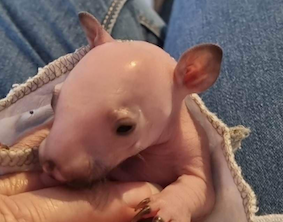
Buttons, the pinkie wombat joey grown from 87g to 200g. Care and photo by Nalda Paterson. |
|
|
|
|
|
|
|
|
Notices
Information Session and Members Catchup, Sunday 12 February, 10am to 12pm, Eurobodalla Botanic Gardens. Come for a coffee and stay for lunch if you'd like to. |
|
|
|
|
|
|
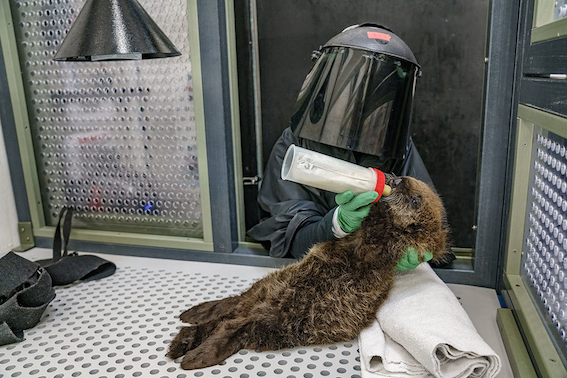
Darth Vader? That’s what the suits are called that humans use while nourishing rescued otters. The suits disguise a rescuer’s shape and smell to prevent the young otters from associating humans with comfort or food once they return to the wild. Photo by Charlie Hamilton James. |
|
|
|
|
|
|
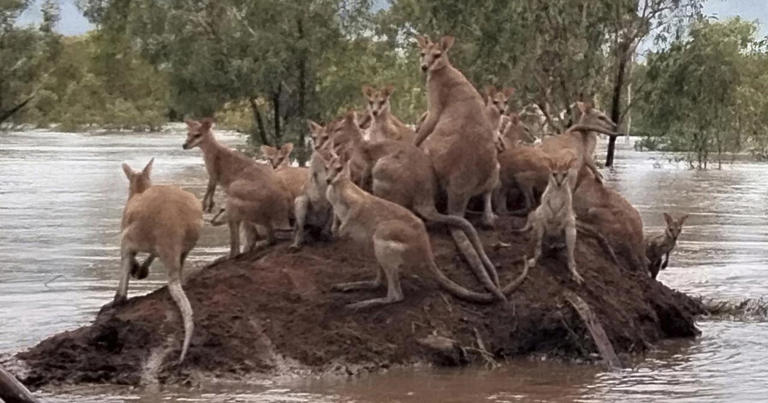
Kangaroos huddle on a small island in floodwaters in the Kimberley region of Western Australia in January 2023 after Cyclone Ellie. Source: AAP / ANDREA MYERS
|
|
|
|
|
|
|
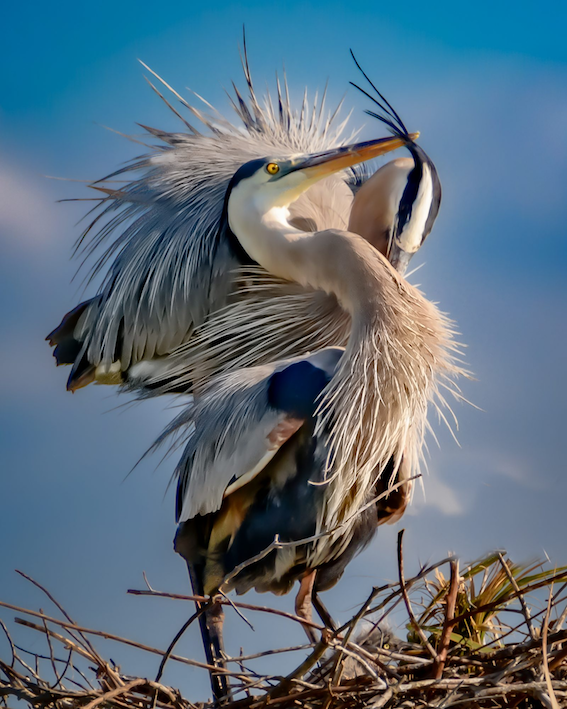
Wetlands Royalty (Great Blue Herons, North America) by Donald Martin |
|
|
|
|
|
|
Featured YouTube: Man stops traffic to guide koala across five-lane Gold Coast highway |
|
|
|
|
|
|