Mid-South Coast Newsletter
December 2021

Newsletter Archive


Please send suggestions and contributions for future issues to the editor, Sharon Beder, at shbederATgmail.com.

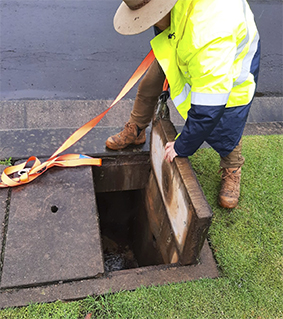
Dave Clarke lifting the drain cover to rescue the joey.

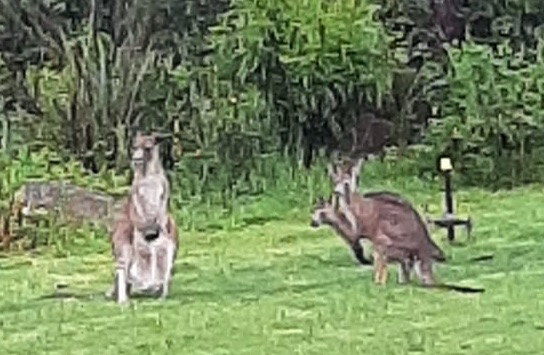
Mother kangaroo with joey restored to her pouch. Photos by Shelley Clarke.

Joey Down the Drain

On a wet Saturday morning a Catalina resident rang WIRES to report a sick looking, elderly female kangaroo wandering slowly between her house and the next house and drinking from puddles.

Shelley and Dave Clarke attended and found that the kangaroo was not sick at all, but was a mother eastern grey kangaroo that was distressed because she could hear her 3kg joey calling for her, after it had fallen into the drain below.

After calling the WIRES Rescue Office for advice about drain cover access, Shelley was advised to call Fire and Rescue NSW to assist. So Shelley called on off-duty fire officer and WIRES volunteer, Dave Clarke, to help:Fireman Dave lifted the drain cover and we had him netted in no time.”

They dried and warmed the soaking joey, while the anxious mother kangaroo looked on. Upon release the joey jumped straight back into the mother’s pouch. “Best job ever for us” said Shelley, "We’re so happy!"

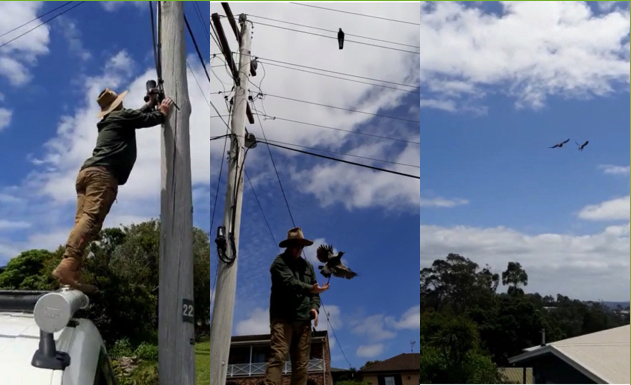
Dave Clarke rescues a juvenile magpie entangled in power pole lines, checks nothing’s broken and releases it to fly off with the parent watching on from above.

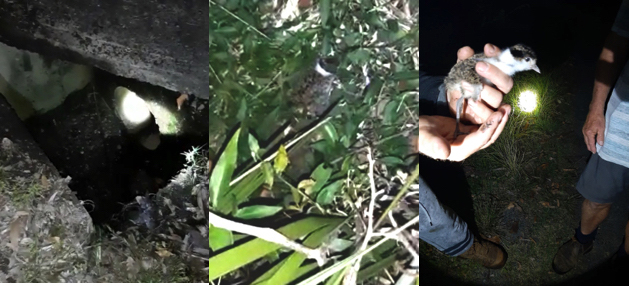
Dave and Shelley Clarke rescue a plover chick at Depot Beach that had fallen down a drain. After the drain cover was lifted there was no sign of the chick but there was an open drain pipe in the pit leading across the road. By following the line of the pipe they found the pipe outlet on the other side of the road. There they were able to locate the chick. The plover parents were not in sight so the chick was contained over night and reunited with its parents the next morning.

NB: It is best to get the help of firefighters to remove drain covers. We are lucky to have Fireman Dave as a member of our WIRES branch. Photos by Shelley Clarke.

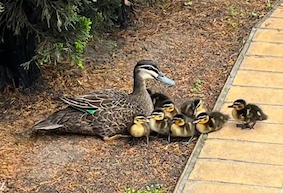
Photo: Pacific black duck and ducklings by Debbie Lustig

Walking with Ducks

Debbie Lustig lives in an apartment in Melbourne. When she found a Pacific black duck and eight 40g ducklings nearby she was told by Wildlife Victoria not to interfere with them but make sure that they were safe on their journey to water.

For 3 hours and 3 km Debbie followed the duck. "First, the duck crossed our street, leading its tiny, fluffy offspring beside a drain into which two promptly fell. In the concrete chamber, they cheeped in panic.

"Happily, someone helped haul up the grate. I fetched my fishing net and scooped out the downy little scraps. They trundled to their siblings on miniature webbed feet.”

Debbie followed, fending off traffic, putting her net over drains, as they headed to the local wetlands. "Locals helped shepherd them across Glenhuntly Road, then left me to it. But Nepean Highway lay ahead, with its four lanes of traffic pounding along at 80km/h. This little black duck was intent on her task, oblivious to the risk.

"A young man in a Coles uniform quickly sized things up. Using his considerable height, he helped stop the two southbound lanes. Even so, our hearts were in our mouths as the duck advanced into the city-bound traffic. After all the previous near-misses, this looked horribly like the end of the line.

"Luckily, modern cars have excellent brakes. The ducks made it and, after a second crossing of Glenhuntly Road, the high-stakes drama ended at Elsternwick Park Nature Reserve."

Ref: Debbie Lustig, My life and death hike through busy Melbourne to help a duck march her eight babies to water, The Guardian, 7 November 2021.

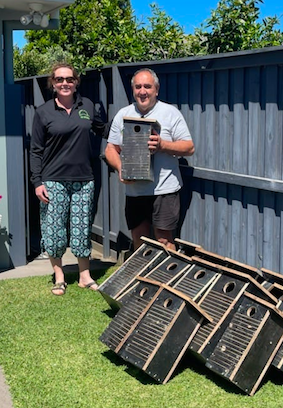
Photo: Shelley Clarke with her neighbour George and the boxes he made.

Possum and Glider Boxes

George kindly made our Branch some possum and glider boxes at short notice during the COVID lockdowns, when men's sheds weren’t operating. George is a member of the Batemans Bay Men's Shed. He sourced recycled material such as marine ply for the boxes he made.

George made the boxes according to the designs on the Nest Box Tales website, which has designs for nest boxes for various types of owls, ducks, birds, microbats, gliders and possums.

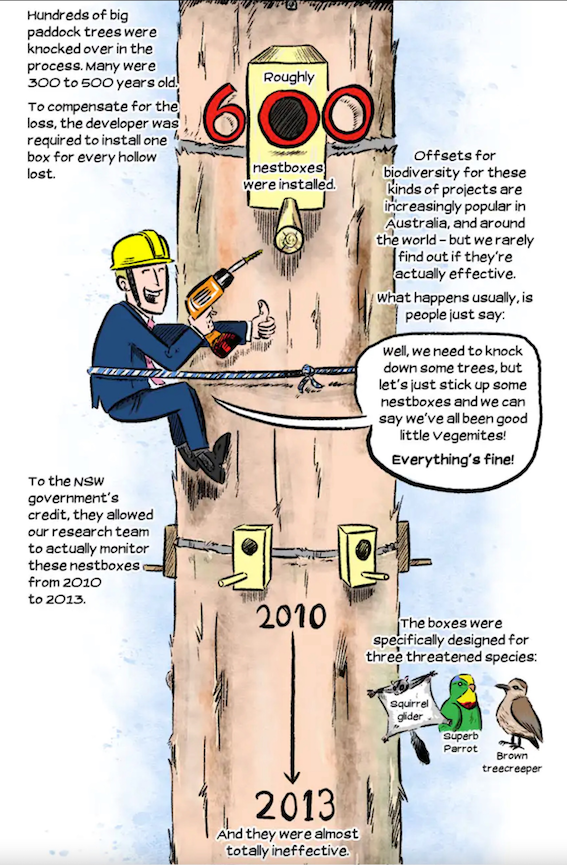
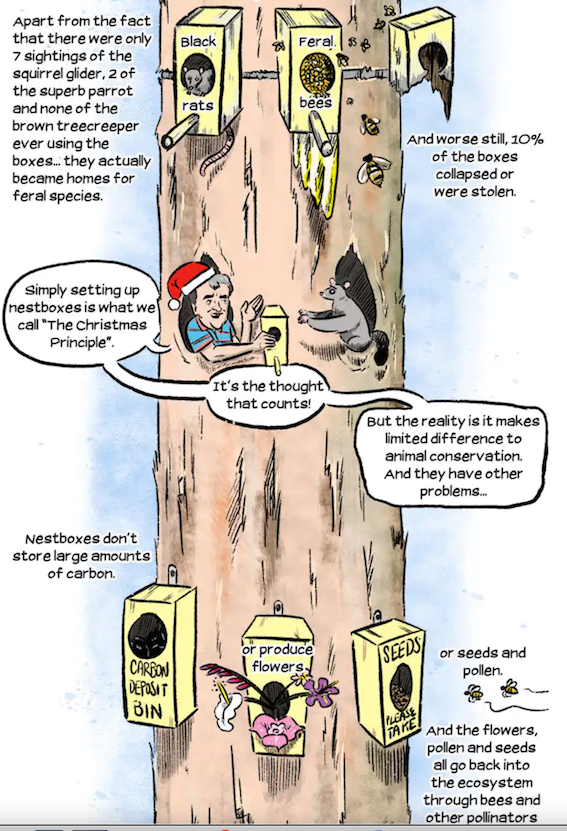
While nest boxes can be helpful as a temporary home for newly released animals and birds, they are inadequate replacements for actual hollows in trees (see below - click on picture for larger version).

excerpt from Wes Mountain, Comic Explainer, The Conversation, 9 December 2018.

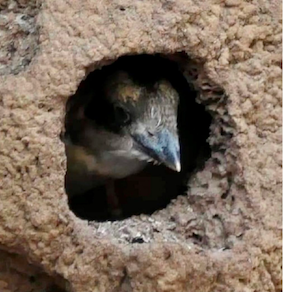
Kookaburra using a mud nest.

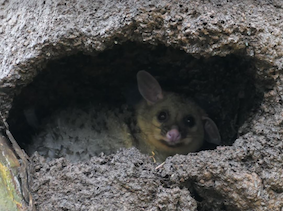
Brushtail possum using a mud nest. Photos by Geoff Shave.

Mud Nests

Termite mud nests in trees at Moore Park Beach near Bundaberg, Queensland, are being used for nesting by other creatures.

Kookaburras, which normally nest in tree hollows, are also known to excavate their own nests in these termite mounds.

Local resident Geoff Shave has found a kookaburra and two chicks in one termite mud nest and nearby, in a mud nest hollow previously used by kookaburras, a brushtail possum had further excavated it for herself and her joey.

Ref: Ashley Schipper, The ‘Ringo Starr’ of birds is now endangered – here’s how we can still save our drum-playing palm cockatoos, Bundaberg Now, 25 November 2021.

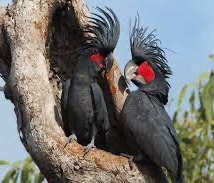
Photograph: Palm cockatoos by Christina Zdenek.


Palm Cockatoos Endangered

The palm cockatoo, or goliath cockatoo, has been added to Queensland's endangered list. It is not only the largest Australian parrot but it is the only non-human animal to make tools to produce sound. They fashion drumsticks to create a rhythmic beat.

There are only 3000 palm cockatoos remaining and they are under threat from loss of habitat, particularly trees with large hollows. They live on the Cape York Peninsula where poor fire management and land clearing is destroying their nesting places. The females lay only one egg every two years and less than one in four of those chicks survives till fledgling stage.

The palm cockatoos are particular about nesting sites. They use “piped” trees that have been hollowed out by termites. "The palmies then spend months splintering sticks and bringing them to the hollow to make a nesting platform up to a metre deep – the only parrot to do [this] in the entire world."

Ref: Christina N. Zdenek and Rob Heinsohn, The ‘Ringo Starr’ of birds is now endangered – here’s how we can still save our drum-playing palm cockatoos, The Conversation, 11 November 2021.

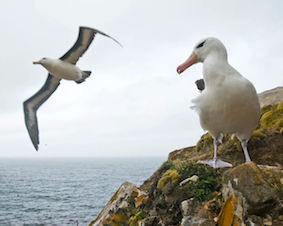
Black-browed albatrosses


Climate Change Prompts Divorce

Albatrosses tend to be monogamous, that is they have one mate, generally for life. However a study published by the Royal Society of New Zealand suggests that albatrosses are increasingly separating from their mates because of climate change.

"Warmer water leads to population declines among fish, which means the birds have to spend more time and travel further to feed. The harsher conditions in turn can affect hormone levels and make it less likely that chicks will survive."

Researchers studied 15,500 breeding black-browed albatross couples on the Falkland Islands for 15 years. They found that divorce rates increased over that time, even taking account of breeding failures (which can be cause a female to leave her mate) and fish shortages. "In 2017, for example, surface seawater temperatures were unusually high - and the divorce rate spiked to nearly 8 per cent."

The researchers believe this may be because albatrosses blame their partners for stresses caused by climate change.

Ref: Miriam Berger, Albatrosses pushed to ‘divorce’ because of climate change, study finds, Sydney Morning Herald, 27 November 2021.

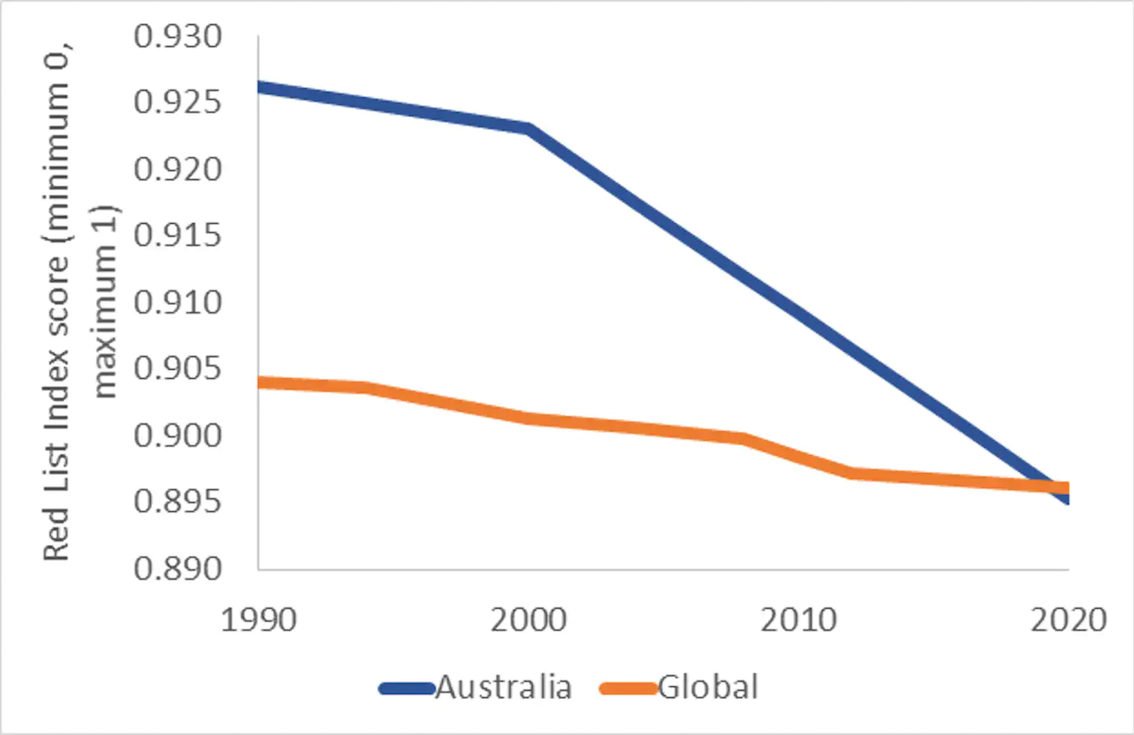
Bird Decline in Australia due to Climate Change

Birds are becoming extinct or endangered faster in Australia than the rest of the world and a major driver for this is climate change. There are now 216 bird species at risk of extinction in Australia.

"Birds such as the fernwren and golden bowerbird are being eliminated from lower, cooler elevations as temperatures rise… 17 upland rainforest birds are now listed as threatened – all due to climate change.

The Black Summer bushfires of 2019-20 – which were exacerbated by climate change – contributed to the listing of 27 birds as threatened… Some 91 birds are threatened by droughts and heatwaves."

Ref: Stephen Garnett and Barry Baker, More than 200 Australian birds are now threatened with extinction – and climate change is the biggest danger, The Conversation, 1 December 2021.

Some Pics from WIRES Mid-South Coast


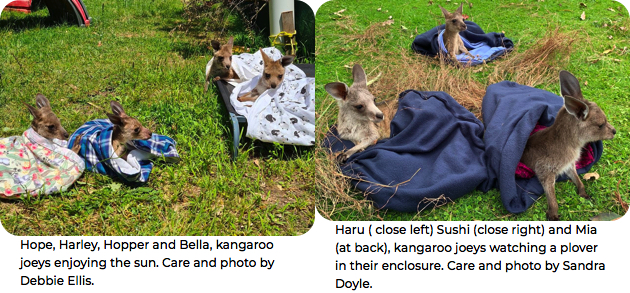
18g eastern whipbird chick found alone at Manyana. Rescue and photo by Sandra Dewhurst.

Obi, kangaroo joey in care of Nalda Paterson. Screen capture from video.

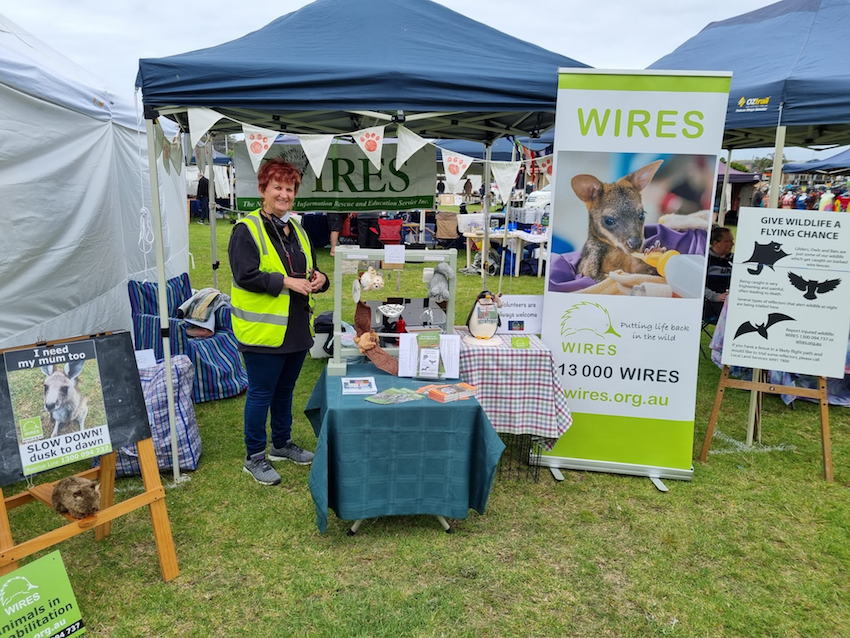
WIRES stall at Narooma markets in November. Photo Sandra Doyle by Rachel McInnes

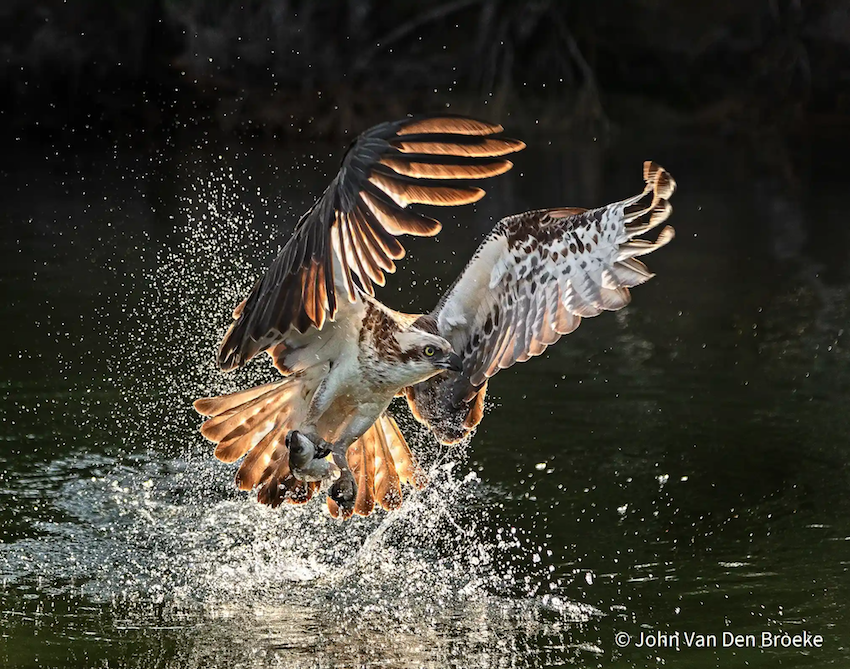
Osprey Fishing by John Van Den Broeke. Location Cudgen Creek in Kingsliff, NSW

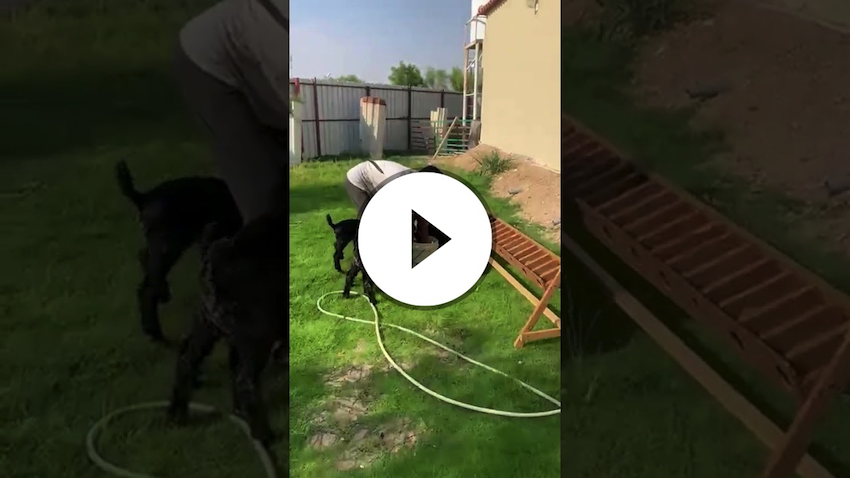
Cool way to feed 20 baby goats at the same time 🐐 🍼

Featured YouTube: Feeding 12 Kids Dinner

Key links:

Design, layout, content: Sharon Beder

Newsletter Archive